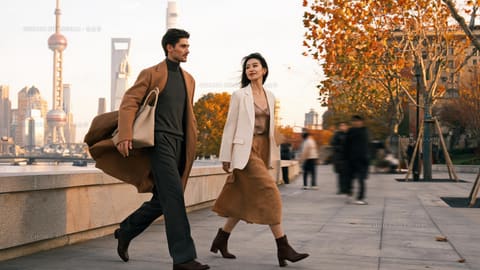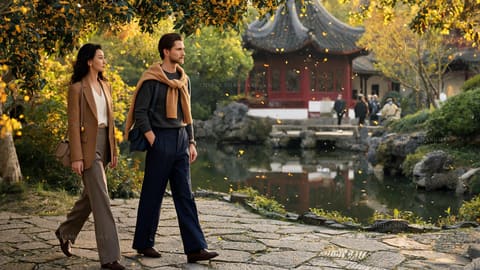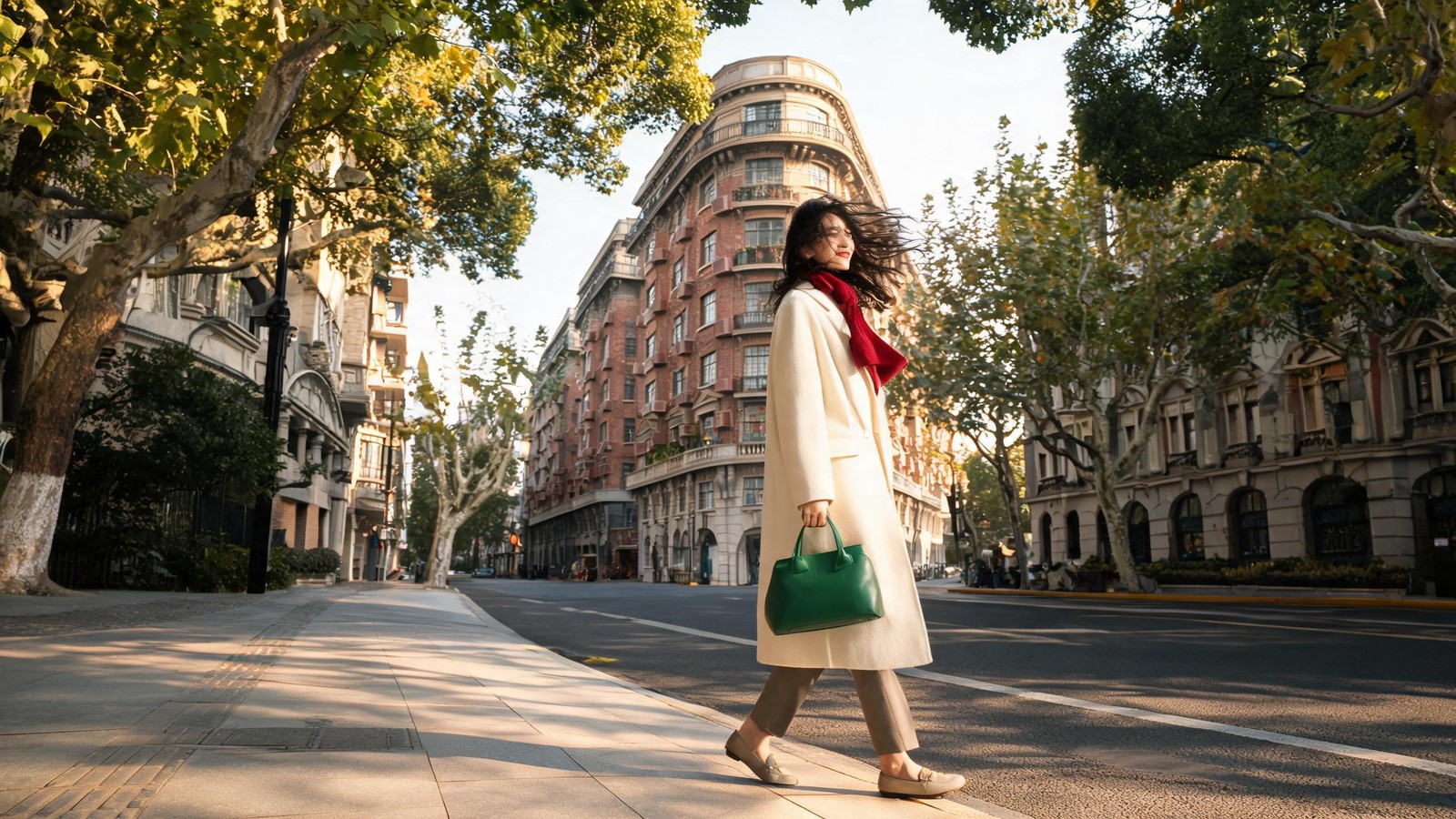
The tree-lined streets around Wukang Lu and Fumin Lu in Xuhui are the area most new arrivals to Shanghai end up choosing, and for good reason.
The stretch of Xuhui around Wukang Lu and Fumin Lu is the part of Shanghai new arrivals keep circling back to: walkable, tree-lined, 1920s lane houses, a cafe every fifty meters. Choose Wukang Lu or Anfu Lu for the postcard version, the quieter blocks off Fumin Lu for more space per yuan, or the Jing’an border for a shorter commute. As of August 2026, plan on roughly ¥10,000 to ¥16,000 (~USD 1,400 to 2,200) a month for a renovated one-bedroom on the postcard blocks, dropping to about ¥7,000 to ¥10,000 (~USD 1,000 to 1,400) a few streets off Fumin Lu. Expect older buildings and a location premium.
New arrivals ask me the same thing in week one: where should I actually live? Within a month most answer it themselves by drifting under the plane trees around Wukang Lu or Fumin Lu. This slice of Xuhui, running up toward the Jing’an border, is reliably the first place an apartment search circles back to, and for good reason.
Why it works
The plane trees are not just pretty, they change how the area works. In a city built at the scale of eight-lane arterials, Wukang Lu and its lanes are sized for walking: coffee, an errand and dinner, no car or subway required.
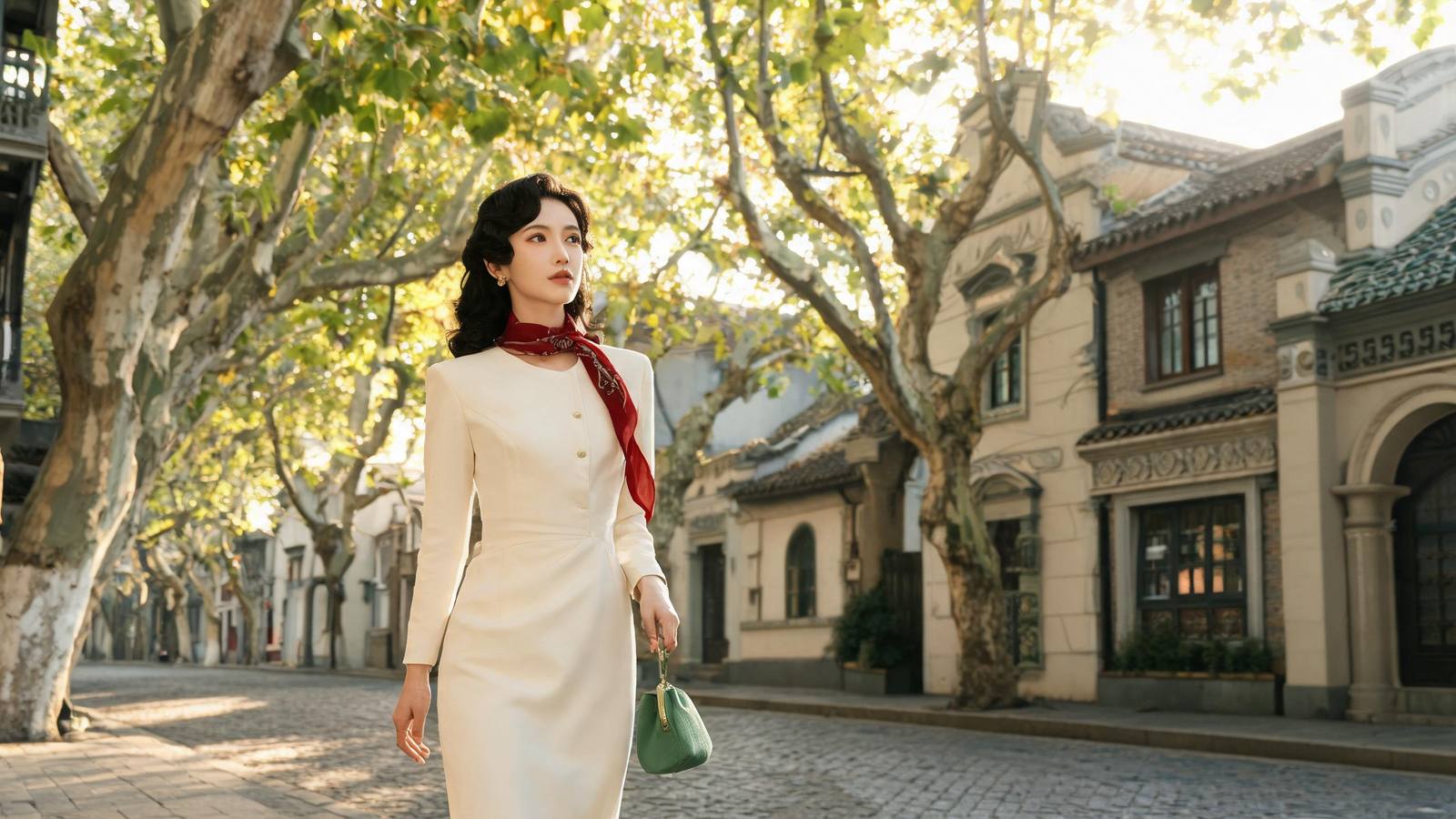
Where to actually live
It comes down to three sub-zones and one honest tradeoff, more character or more space. Here it is at a glance.
| Where | One-bedroom, per month | What you get |
|---|---|---|
| Wukang Lu / Anfu Lu, the postcard blocks | ¥10,000 to ¥16,000 | Historic lane house, strong period character, a cafe every fifty meters |
| A few streets off Fumin Lu | ¥7,000 to ¥10,000 | More space per yuan, quieter, a ten-minute walk to the strips |
| Toward the Jing’an border | ¥8,000 to ¥13,000 | The same lane character, a shorter commute to Jing’an or People’s Square |
Indicative asking rents for a renovated one-bedroom; the real number moves with size, floor, and how recently the place was redone. As of August 2026.
The honest downsides
Nobody selling you on this area mentions these, so I will. Most of these blocks sit inside Shanghai’s designated Hengshan Road-Fuxing Road Historical and Cultural Area (衡复风貌区), the protection zone that keeps the lane houses and plane trees from redevelopment, so the housing stock is old by design: charming until the pipes or wiring remind you it is a century old. Popular blocks get loud on weekend nights near the bar-dense corners, so walk one at night before you sign; a quiet lane at 2pm can be a different place at midnight on a Saturday. And you pay a location premium a near-identical apartment two stops away would not carry.
The lesson I learned the expensive way: ask about the building's water pressure and wiring before you fall for the exposed brick. A landlord will happily tell you about the history of a lane house. They will not volunteer the plumbing schedule unless you ask directly.
Getting your bearings
Think of it less as one neighbourhood than a mood, running from Shaanxi South Road west to roughly Xingguo Lu, and from Yan’an Lu down to Zhaojiabang Lu: a green canopy over garden villas, Art Deco apartment blocks and shikumen lane houses (弄堂), where you can hear your own footsteps. Metro Lines 1, 7, 10 and 12 clip the edges; Line 10 to Shanghai Library station (上海图书馆), exit 1, drops you into the pretty middle, where I would start anyone new.
The streets worth wandering
The neighbourhood rewards aimlessness, but a few streets do the heavy lifting.

Wukang Lu (武康路)
The postcard street, anchored by Wukang Mansion (武康大楼), the 1924 flatiron at the Huaihai Lu fork you have seen ten thousand times on Xiaohongshu. Worth seeing once, and mobbed on weekends with wedding tripods and ring lights. At 8am on a weekday it is basically yours. Halfway up, Ferguson Lane (武康庭) is a courtyard of cafes and galleries, pleasant if a little pleased with itself.
Anfu Lu (安福路)
The fashion street, where Shanghai’s well-dressed twenty-somethings drift between boutiques, brunch spots and the Shanghai Dramatic Arts Centre. Come for window-shopping and theatre, not peace and quiet.
Fuxing Xi Lu (复兴西路) and the plane-tree lanes
Want the plane trees without the crowd? This is it: quieter, greener, lined with gorgeous Art Deco, almost none of the Saturday traffic that clogs Wukang Lu. Nearby Fuxing Park is where old men slap down cards, retirees ballroom-dance at dawn and nobody performs for a camera.
The quiet streets locals actually walk
- Wuyuan Lu (五原路) and Yongfu Lu (永福路): low, leafy, full of small studios and coffee windows.
- Xinhua Lu (新华路): once nicknamed the city’s first garden road, wide and shaded, barely a tourist on it.
- Dongping Lu (东平路) and Gao’an Lu (高安路): short, handsome, good for a five-minute detour.
Where to eat, drink coffee and shop
Coffee
This is the coffee capital of the coffee capital of China, never more than a two-minute walk from a flat white. Manner, the reliable chain on nearly every corner, runs roughly ¥15 to ¥20 (~USD 2 to 3); independent specialty pours ¥30 to ¥45 (~USD 4 to 6). Our full Shanghai coffee guide has the picks, but the short version: half the prettiest cafes are backdrops first and roasters a distant second.

Eat and drink
Brunch is the local religion, usually ¥120 to ¥200 (~USD 17 to 28) a head, and the area is strong on small bistros and shared plates; figure ¥250 to ¥500 (~USD 35 to 70) with wine for a proper dinner. Anfu Lu leads for cafes and design shops, Yongkang Lu for restaurant density. For a nightcap the streets are thick with speakeasies, covered in our speakeasy and cocktail-bar guide. In summer, go before 11am, as our Shanghai summer survival guide explains.
Shop
Skip the malls. These streets are for slow, independent shopping: concept stores, homeware, secondhand designer and vintage on Anfu Lu, Wuyuan Lu and Changle Lu (长乐路). Prices swing from student-budget racks to eye-watering, so know which door you are walking through.
The little museums and lane houses
The museums here are small, cheap and easy to fold into a walk.
- Shanghai Arts and Crafts Museum (上海工艺美术博物馆), an ornate villa on Fenyang Lu locals call the little White House, entry around ¥8 (~USD 1).
- Former Residence of Sun Yat-sen (孙中山故居) near Fuxing Park, around ¥20 (~USD 3), with Zhou Enlai’s former residence (周公馆) a short walk away on Sinan Lu.
- Propaganda Poster Art Centre (宣传画年画艺术中心), tucked in an apartment-block basement off Huashan Lu, around ¥25 (~USD 3); the guard hands you a card with directions.
- Sinan Mansions (思南公馆), a restored cluster of garden villas, free to walk through, plus the shikumen lanes of Cité Bourgogne (步高里) for lane-house texture with no ticket booth.
The right time of day and season
Early morning wins. Before 9am on a weekday the light is low and gold, the streets empty, the retirees and coffee windows in charge; that quiet version of Wukang Lu is the one that made me want to stay. Golden hour before sunset is the other good window. Autumn, roughly late October into November, is when the plane trees turn and the city trims them into that photogenic tunnel of gold; spring is soft and green. Deep summer, July and August, is humid enough to wilt you by mid-morning, though the canopy keeps the pavement shaded. Avoid the Wukang Mansion corner between roughly 11am and 5pm on a weekend unless crowds are the experience you came for.

The honest bit: what’s over-Instagrammed
Tianzifang (田子坊, Line 9 Dapuqiao) is the one to skip: it bills itself as the arty heart of the neighbourhood and is really a cramped maze of souvenir tat and identical cafes, jammed on weekends. The Wukang Mansion corner is lovely and mobbed, so give it five minutes, not an afternoon. Plenty of the cafes that flood your feed are set-dressing, where the coffee is average and the point is the photo. None of it ruins the walk; the good part is just one quiet street over from the crowd.

Which one is for you 哪个适合你
Want the postcard lanes and can live with century-old plumbing? Wukang Lu or Anfu Lu. More space per yuan? A few streets off Fumin Lu. Commuting to People’s Square or Jing’an? The northern edge. Quiet sleep? Avoid the bar-dense corners.
As Mencius wrote, 天时不如地利,地利不如人和, good timing matters less than good ground, and good ground less than people in harmony. A neighbourhood is never only its plane trees and its rents; it is the neighbours who begin to nod at you by the second week.
Is the Wukang Lu / Fumin Lu area in Xuhui a good place for expats to live in Shanghai?
Yes. For most new arrivals it's one of the first areas people recommend: walkable, tree-lined, dense with cafes, bars and boutiques across the Xuhui and Jing'an border. The tradeoff is older housing stock and a location premium.
Is Wukang Lu in Xuhui or Jing'an district?
Mostly Xuhui, with the northern edge running into Jing'an, which is why you'll hear both district names for streets close together. Most of it falls inside Shanghai's designated Hengshan Road-Fuxing Road Historical and Cultural Area (衡复风貌区), which is why the streetscape looks the way it does.
Is the Wukang Lu / Fumin Lu area expensive?
It carries a premium, but spans a wide range, from converted lane houses at the top end to smaller apartments on quieter side streets that cost meaningfully less than the postcard blocks. As of August 2026, a renovated one-bedroom runs roughly ¥10,000 to ¥16,000 (~USD 1,400 to 2,200) a month on the Wukang Lu and Anfu Lu blocks, dropping to about ¥7,000 to ¥10,000 (~USD 1,000 to 1,400) a few streets off Fumin Lu.
What are Shanghai’s plane-tree streets and where are they?
The leafy, low-rise streets of Xuhui and the western edge of Huangpu: tree-lined roads, garden villas, Art Deco apartments and shikumen lane houses, most of it protected as the Hengshan Road-Fuxing Road Historical and Cultural Area (衡复风貌区). Roughly bounded by Shaanxi South Road, Xingguo Lu, Yan’an Lu and Zhaojiabang Lu.
How do I get to Wukang Lu and Anfu Lu by metro, and is the area walkable?
Very walkable, and mostly flat. Line 10 to Shanghai Library (上海图书馆) puts you in the leafy middle near Wukang Lu; Changshu Road (Lines 1 and 7) and South Shaanxi Road (Lines 1, 10 and 12) cover the eastern side. Pick a station and drift between streets rather than chasing a checklist.
When is the right time to visit and see the plane trees?
Early weekday mornings before 9am for empty streets and good light, or golden hour before sunset. For the plane trees in full colour, come in autumn, roughly late October into November, when the leaves turn gold. Spring is the other pretty window. Avoid weekend midday at the busiest corners.
Are Xuhui’s plane-tree streets worth it, or are they overrated?
Worth it, easily, as long as you wander rather than tick off photo stops. Skip Tianzifang, keep the Wukang Mansion corner to a quick look, and spend your real time on quieter streets like Fuxing Xi Lu, Wuyuan Lu and Xinhua Lu, where the neighbourhood is actually lived in.