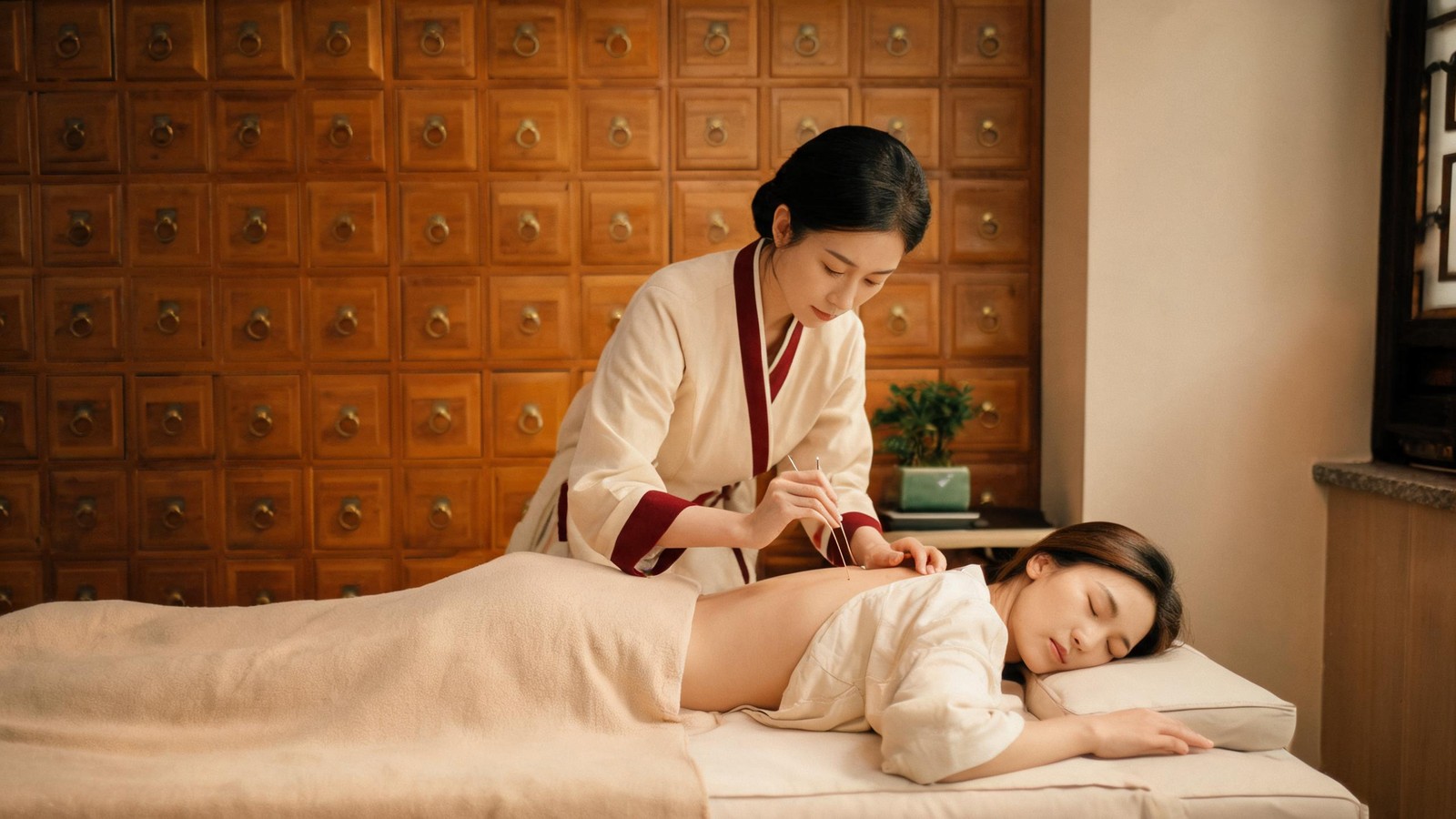
To try traditional Chinese medicine in Shanghai, expats can visit international TCM clinics at Longhua Hospital or the Shanghai Municipal Hospital of TCM.
The short version. Traditional Chinese medicine is easy to reach in Shanghai, and you can have the whole visit in English. Acupuncture, cupping, herbal formulas and tuina massage are open to anyone with a passport, no referral needed. A session at a public TCM hospital runs about 30 to 100 RMB; an English-speaking private clinic charges 500 to 1,200. The only real barrier is language, which the international clinics below quietly solve.
Good to know
- Good for: curiosity, stubborn aches, stress and sleep, used alongside regular care rather than instead of it.
- What you'll pay: about 30 to 100 RMB a session at a public TCM hospital, or 500 to 1,200 at an English-speaking private clinic.
- Make the most of it: bring your passport, book a short course rather than a single visit, and ask the doctor how many sessions they suggest and why.
Sooner or later, living in Shanghai, someone will suggest you try traditional Chinese medicine for a stiff neck, a lingering cough, or plain stress. TCM is woven into daily life here, from acupuncture and cupping to herbal prescriptions and tuina massage. If you are curious but unsure where an expat even begins, here is a friendly map: what is on offer, where to go for English-comfortable care, and what a first visit actually feels like.
A quick, honest framing before we start: TCM is a long-standing medical tradition many people find genuinely helpful for comfort and wellbeing, and it works well alongside, not instead of, conventional care for anything serious. Nothing here is medical advice. For acute or worrying symptoms, see a doctor first, and our guide on seeing a doctor in Shanghai covers that route.
What does TCM actually include?
- Acupuncture (针灸): fine needles placed at specific points, often used for pain, tension, and recovery support.
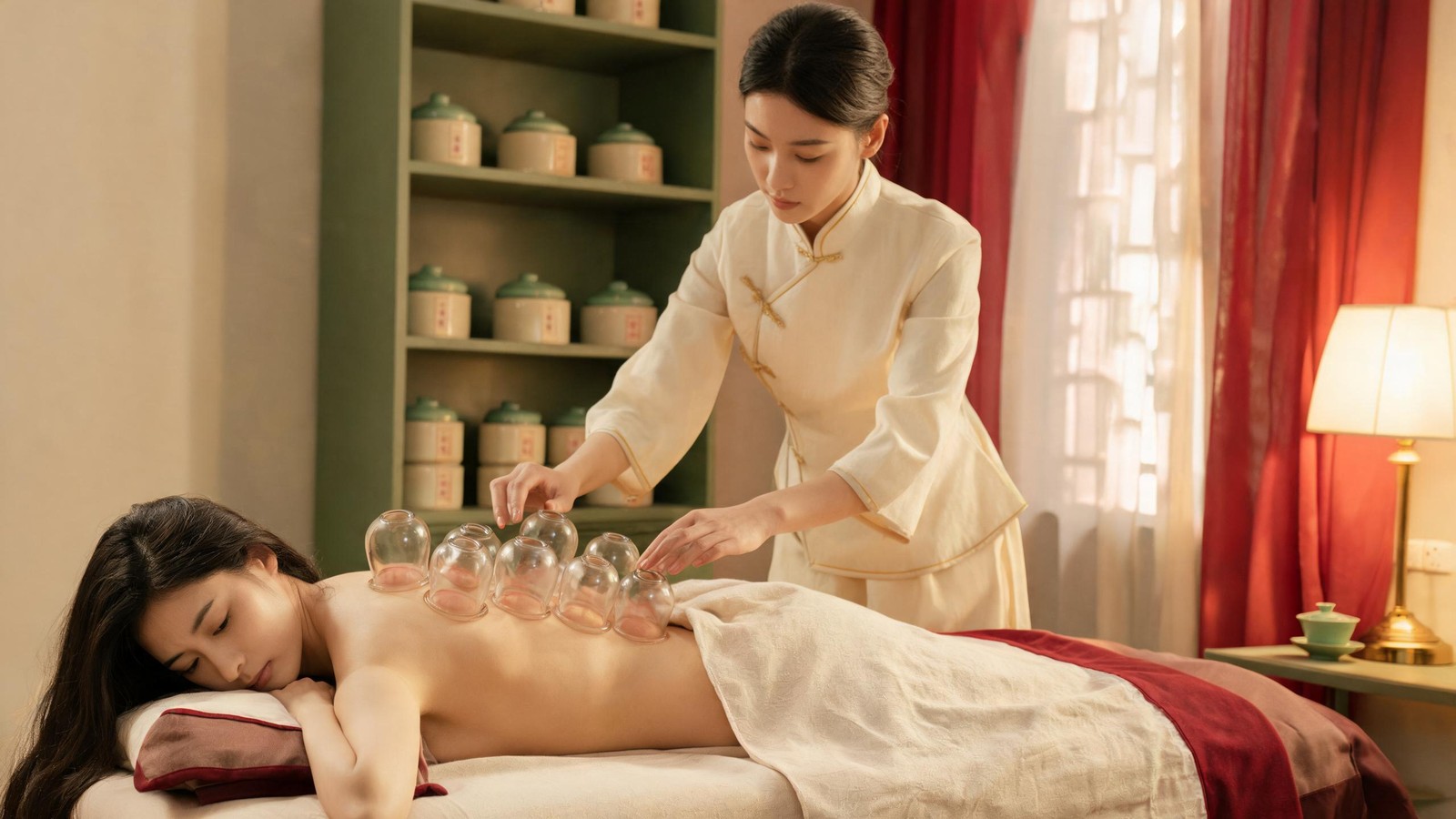
- Cupping (拔罐): glass or silicone cups that create suction on the back and shoulders, leaving the round marks you have probably seen at the pool.
- Gua sha (刮痧): gentle scraping of the skin with a smooth tool.
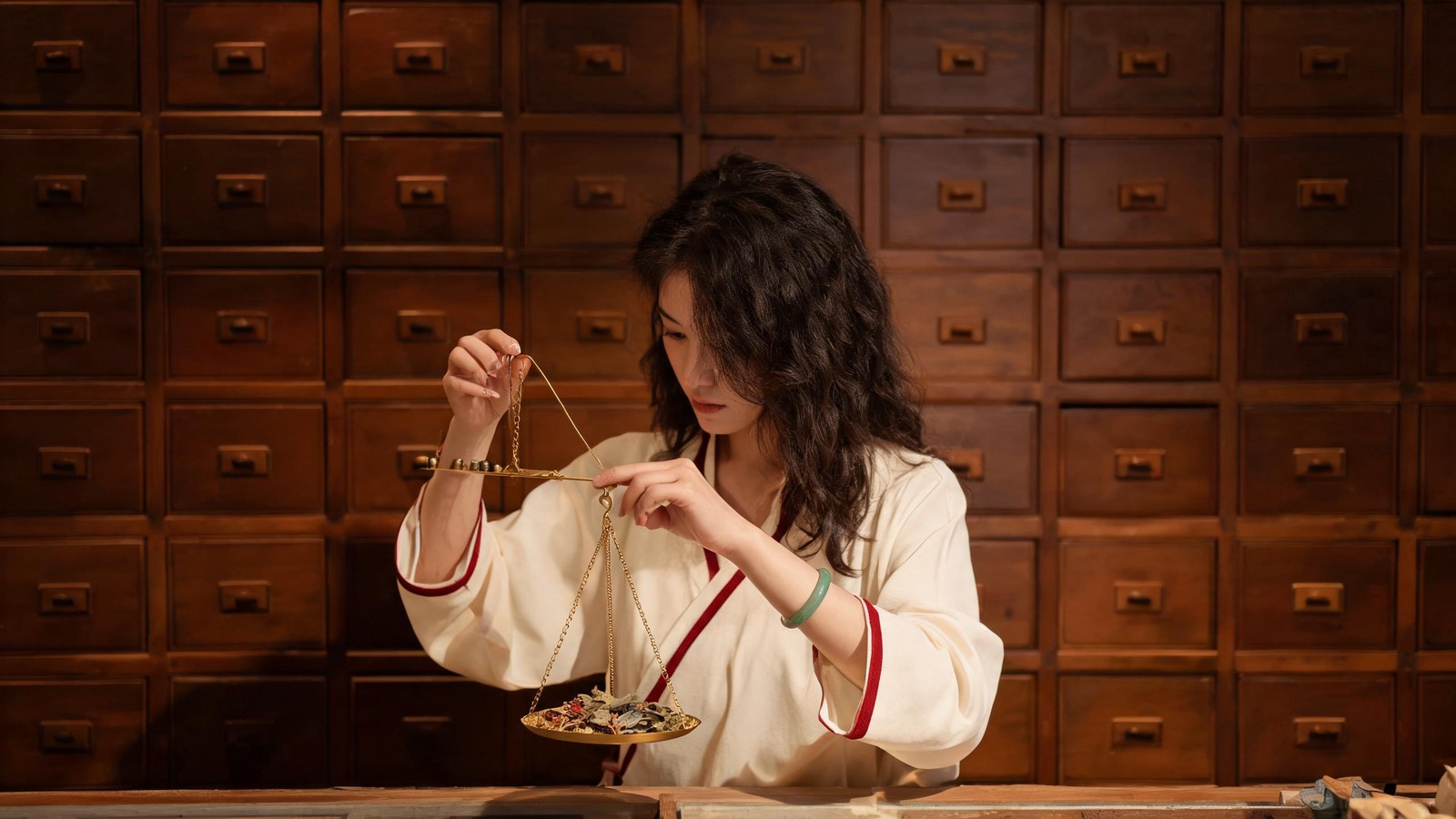
- Herbal medicine (中药): tailored formulas of dried herbs, dispensed from those wonderful walls of wooden drawers and brewed into a tea or taken as granules.
- Tuina (推拿): a firm therapeutic massage based on the same meridian ideas as acupuncture.
Most treatments are widely accessible to expats with just a passport. The main barrier is usually language, since many excellent TCM doctors speak limited English, which is why the international departments below are worth knowing.
Where do English-speaking expats go for TCM?
Two big teaching hospitals run dedicated international or VIP clinics, and there are integrative clinics and independent practitioners who work comfortably in English.
Longhua Hospital (龙华医院)
Affiliated with the Shanghai University of Traditional Chinese Medicine, Longhua is a major TCM hospital with an international and VIP clinic set up for smoother scheduling and navigation. It has earned JCI accreditation, an international benchmark for patient-safety standards.
- Address: 725 Wanping South Road, Xuhui District.
Shanghai Municipal Hospital of TCM (上海市中医医院)
A long-established public TCM hospital that runs an international outpatient service with bilingual support, covering acupuncture, herbal medicine, and chronic-condition management.
- Address: 274 Zhijiang Middle Road, Jing'an District.
Integrative and private clinics
If you would rather have the whole visit in English, integrative clinics blend Western and Chinese approaches with multilingual practitioners. Body & Soul Medical Clinics, for example, offers acupuncture with consultations available in several languages. Independent English-speaking acupuncturists also practise around the city, some offering cupping, gua sha, and house calls. To compare independent practitioners, ask in your building or office group chat and in the larger expat community groups, where people share who they actually rebook with.
What is a first TCM visit like?
- Registration. At a hospital you register (guahao, 挂号) for the relevant department. At an international or private clinic you simply book an appointment. Bring your passport.
- The consultation. The doctor asks about your sleep, digestion, energy, and stress, looks at your tongue, and feels your pulse on both wrists. It is more conversational and whole-body than you might expect.
- The treatment. Acupuncture needles stay in for roughly 20 to 30 minutes while you rest. Cupping and tuina are quicker. Herbal formulas are dispensed to take home.
- Follow-up. TCM often works in a course of several sessions rather than one visit, so ask how many the doctor suggests and why.
What does it cost?
Public-hospital TCM is genuinely cheap: a small registration fee plus modest per-treatment charges, with herbal formulas priced by the ingredients. English-speaking private clinics charge more for the language and the comfort. Here is the honest range for the common treatments.
In US dollars, a public-hospital session is roughly 4 to 15 dollars and a private English clinic 75 to 183 dollars a session. Converted at about 6.7 RMB to the dollar, 2026, so treat the dollars as a ballpark.
If you plan to use private care regularly, check whether your plan reimburses TCM, which our guide on health insurance for expats can help you sort out. Curious how herbal prescriptions are dispensed and stored? Our Shanghai pharmacy guide is a useful companion.
Confucius said 温故而知新, revisit the old and you will find something new in it. A medicine kept alive for centuries is not a relic, it is a long conversation you are only now joining, in your own language.
Can expats get acupuncture in Shanghai?
Yes. Acupuncture, cupping, and herbal medicine are widely available to expats with a passport. Language is the main consideration, so an international clinic or an English-speaking practitioner makes the visit easier.
Which Shanghai hospitals have English TCM services?
Longhua Hospital in Xuhui and the Shanghai Municipal Hospital of TCM in Jing'an both run international or bilingual clinics, and several private integrative clinics work in English.
Is TCM covered by insurance?
Some international health plans reimburse TCM treatments, but coverage varies, so confirm the details with your provider before booking a course.
How many sessions will I need?
TCM is often delivered as a short course rather than a single visit. Ask your practitioner how many sessions they recommend and roughly what each will cost.
Go in curious rather than skeptical or starry-eyed, ask plenty of questions, and treat it as one more tool for feeling well in this city. Plenty of long-term residents swear by their monthly acupuncture the way others swear by the gym.