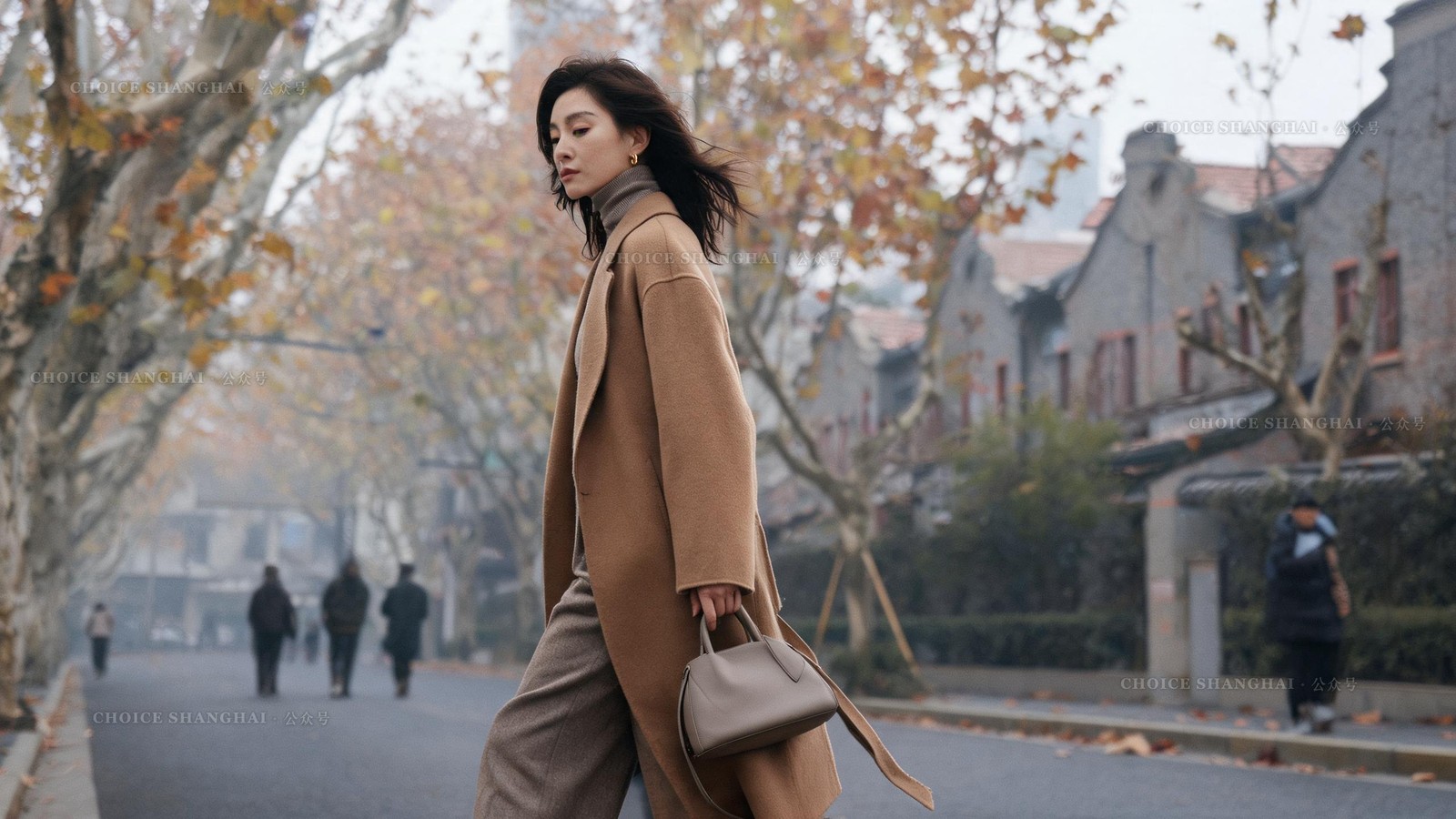
A Shanghai winter is not very cold on paper, but damp air, no central heating and weeks of grey light wear most people down by January. The low mood is real and common.
Shanghai winters rarely drop far below freezing, yet they feel brutal. The damp gets into everything, most flats south of the Huai River line have no central heating, and the sky stays flat grey for weeks. That combination flattens almost everyone's mood by January. It is normal, it is common, and a handful of specific habits make a real difference. Here is what actually helps, and how to tell ordinary winter blues from something that needs proper support.
Why a Shanghai winter gets to you
A Shanghai winter wears people down for reasons that stack. Temperatures sit around 0 to 8C, which sounds mild until you factor in wet air and no central heating, so indoors can feel colder than outside. Daylight is short and often grey for a week at a stretch, which quietly lowers mood. And it lands when many expats are already far from family over the holidays. None of these alone is dramatic; together they are why February can feel so heavy.
Warm your space, and warm yourself
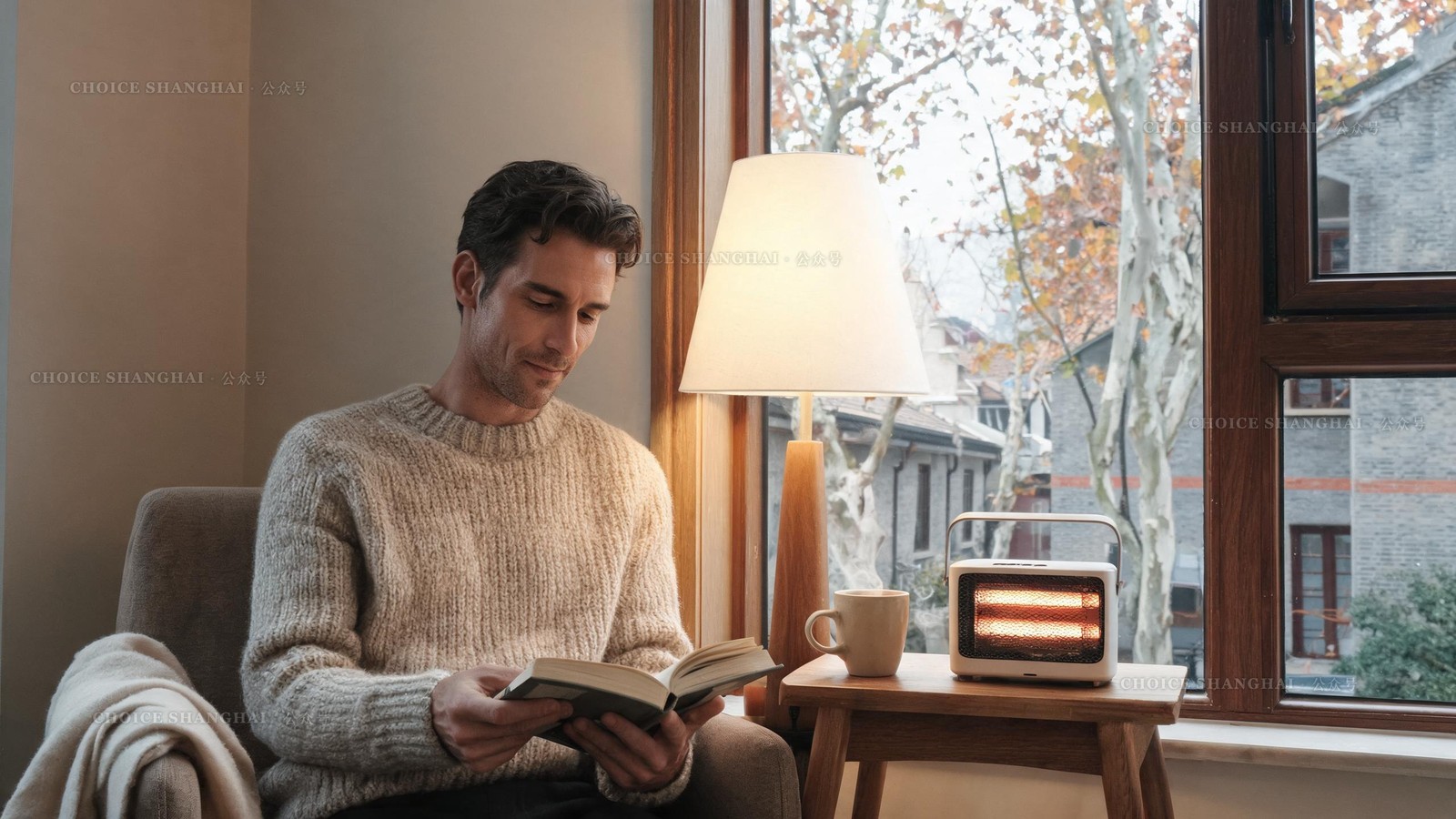
The single biggest mood lever is being genuinely warm, because a cold flat makes everything else feel worse. You do not need to heat the whole place; heat the one room you actually use, close its door, and layer with real wool rather than turning the air conditioner to a dry roar. A hot-water bottle in bed, warm food, and a thick pair of slippers do more for morale than their price suggests. For the full how-to on surviving an unheated flat, our guide to staying warm with no central heating has the kit and the costs.
Chase the light, and keep moving
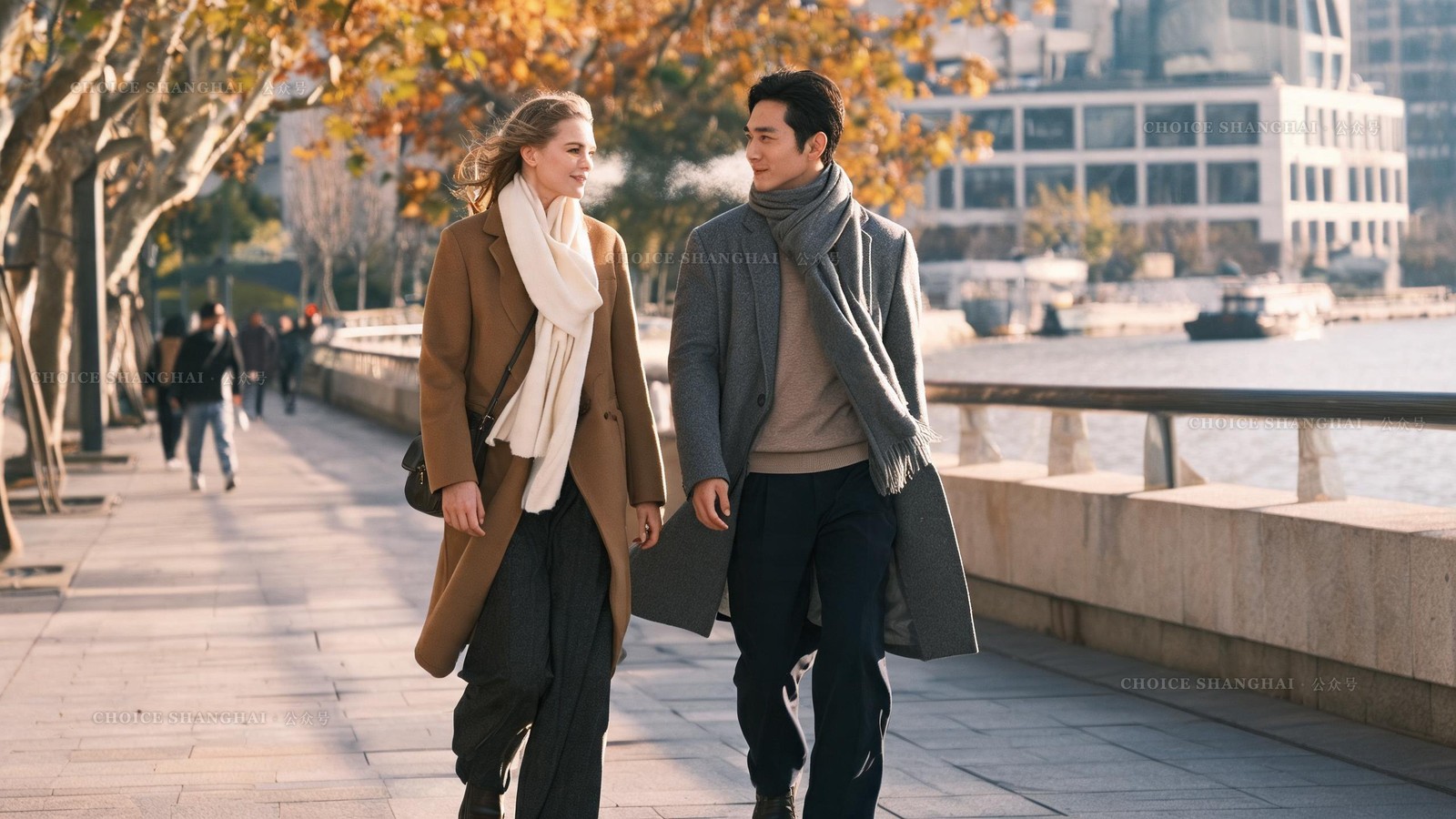
Grey light is half the problem, so take the bright days seriously. When the sun does break through, get outside and into it, even for twenty minutes at lunch, because daylight is the cheapest mood regulator there is. On the dark weeks, a daylight lamp (a 10,000-lux SAD lamp runs about 150 to 400 yuan, roughly USD 22 to 60) used for twenty minutes in the morning helps some people, though it is a comfort rather than a quick fix. Movement matters just as much: a swim, a class, or a run club gets you out of the flat and around people, and the gyms and pools are busiest in winter for exactly this reason.
Whatever you do, do not hibernate alone
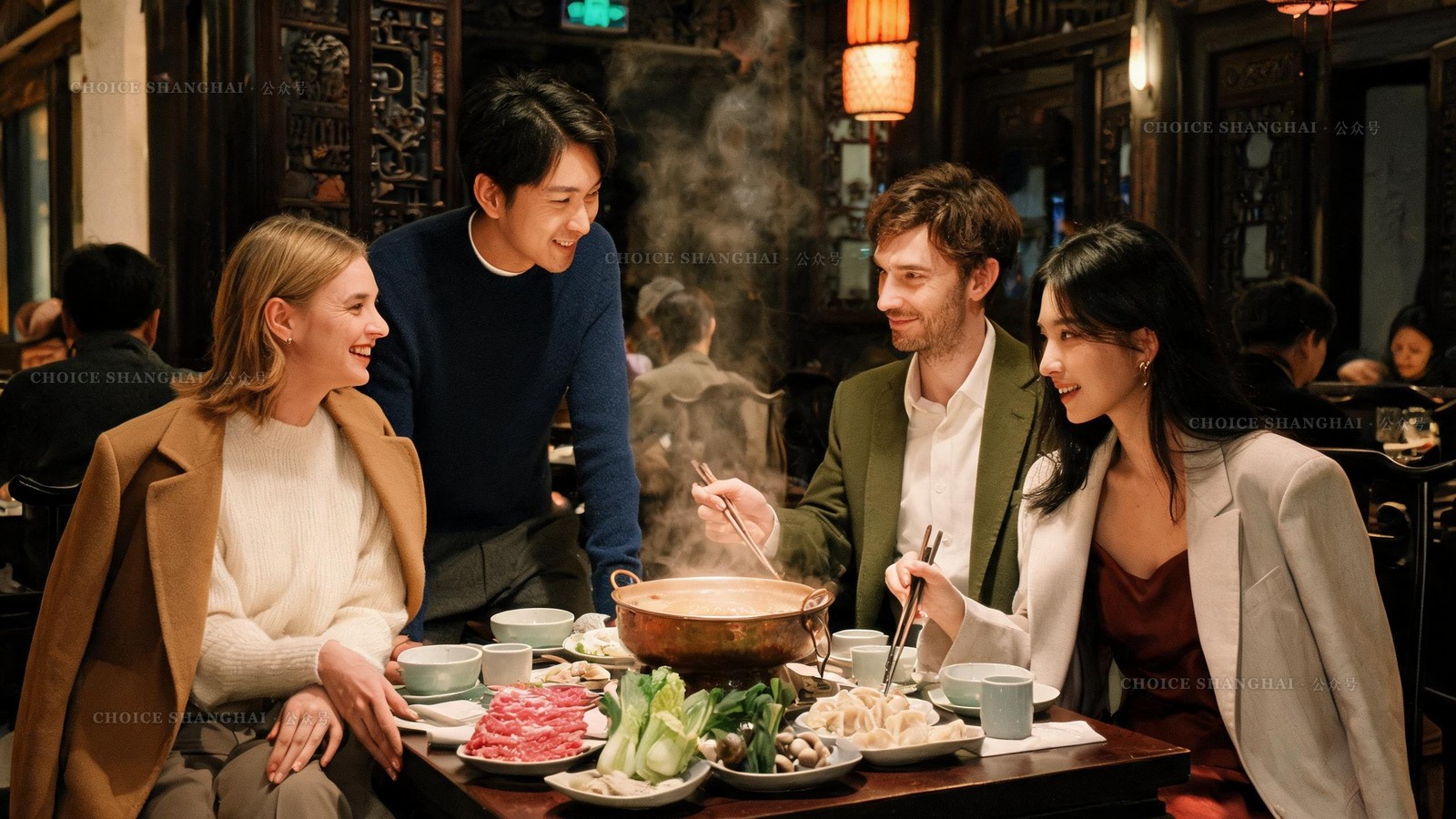
The grey gets much heavier when you face it alone, and winter is exactly when it is tempting to cancel everything and stay in. Resist that. Keep one or two standing plans a week, say yes to the dinner even when the sofa is winning, and if your circle is thin, winter is a good time to build it; our guide to making friends in Shanghai is a start. The first winter here is the hardest, and if you are new, know that the flat, homesick feeling eases as the city stops being strange, something our piece on when Shanghai starts to feel like home talks through honestly.
When it is more than the blues
There is a line between a low, flat winter and something that needs real support, and it is worth knowing. Ordinary winter blues lift when the sun comes out or a good evening lands. If low mood, poor sleep, lost appetite, or a loss of interest in things you normally enjoy runs for more than two weeks straight, or you are struggling to function, that is worth talking to a professional about, and it is nothing to be embarrassed by. If you need someone to talk to right now, Shanghai runs a free, 24-hour psychological assistance hotline on 962525, and for a medical emergency the number is 120. Shanghai has English-speaking counsellors and clinics; our guide to finding an English-speaking therapist lays out the options and what it costs. Reaching out early is the strong move, not the weak one.
Good to know
- Good for: anyone feeling the winter drag in Shanghai, especially first-timers facing their first damp, unheated season.
- What genuinely helps: real warmth, daylight and movement, standing plans with people, and a routine you keep even on the grey days.
- Worth knowing: a 10,000-lux daylight lamp is about 150 to 400 yuan (USD 22 to 60); it is a comfort, not a quick fix.
- When to get help: if a low, flat feeling or poor sleep and appetite run past two weeks, talk to a professional, the city has English-speaking ones.
Why does Shanghai feel so cold indoors in winter?
Because flats south of the Huai River line were built without central heating, and the winter air is damp. At 0 to 8C with high humidity and no background heat, an unheated room can feel colder than the street. Heating one room well and layering with wool is the fix most people land on.
Do Shanghai apartments have heating?
Most do not have central heating. You warm the place yourself with the air conditioner's heat mode, a space heater, and in some homes underfloor heating if the building has it. The practical setup, and what it costs to run, is in our guide to staying warm in an unheated Shanghai winter.
Are winter blues common for expats in Shanghai?
Very. The grey light, the cold damp and being far from home over the holidays leave most people flatter in January and February. That is normal. A smaller number feel something closer to seasonal low mood that lingers; if yours does not lift with sun and company, it is worth a professional conversation.
What is the fastest thing that helps a Shanghai winter mood dip?
Getting warm and getting outside on the next bright day, ideally with someone. Warmth, daylight and company are the three levers with the quickest return. A daylight lamp and a kept exercise routine help over the longer grey stretches.
As Laozi wrote, 飘风不终朝,骤雨不终日, no gale blows all morning and no downpour lasts all day. The grey is real, but it is also temporary, and spring in Shanghai arrives fast once it turns.
Words, maps and research by the Choice Shanghai team. Please credit us and tag our 公众号 if you share.