
You can see a doctor in Shanghai on a passport alone: book on the 健康云 Health Cloud app, pay 22 RMB at a public clinic or several hundred at a VIP or international one。

The system is more logical than it looks. Below are the three routes to a doctor, what each costs, and how the visit actually runs on a passport alone.
A small confession: I lived here for years before I understood how hospital registration works, and only learned because a friend called me from a waiting room in mild panic. Nobody explains it, and the English internet argues about which hospital is nicer rather than how to get through the door. So this is the walkthrough I wish someone had handed me, without a word of Chinese. One thing first: for a genuine emergency, call 120 for an ambulance. Everything below is for the non-emergency visits that make up normal life.
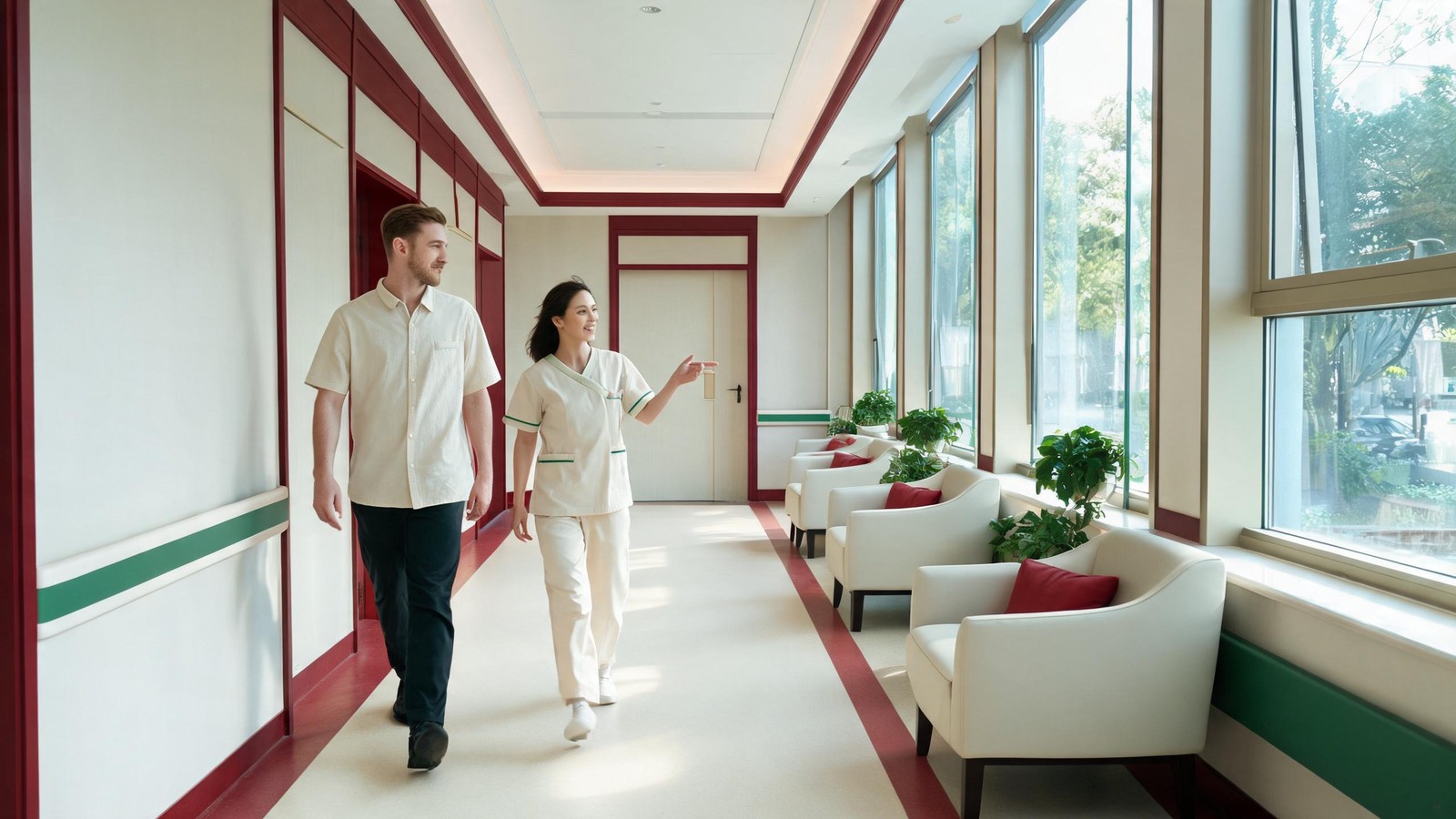
Step 1: Understand your three routes
Route one: the regular clinic at a public hospital. Shanghai's large public hospitals, the tier-three (三甲) ones, house experienced doctors across every specialty, and a standard registration ticket costs very little. The trade-offs: crowds, short consultations, and limited English outside the big-name departments.
Route two: the VIP or international clinic inside the same public hospital. Nearly all major public hospitals run a special-needs clinic (特需门诊, teshu menzhen) or an international medical center. Same senior doctors, a calmer floor, longer appointments, more English. Registration typically costs a few hundred RMB per visit rather than the tens you'd pay downstairs. For many residents this is the sweet spot: public-hospital medicine at private-waiting-room pace.
Route three: private international hospitals and clinics such as United Family (和睦家), Jiahui or Parkway. Everything happens in English, consultations are long and unhurried, and facilities feel like a hotel lobby. Fees are another universe: first consultations commonly start around several hundred RMB and climb past a thousand. The saving grace: with international insurance, many of these hospitals direct-bill, so they settle with your insurer and you may not pay out of pocket. Check your policy for a direct-billing list before you need it.

What does it cost to see a doctor in Shanghai?
The registration fee is the part nobody writes down, so here it is. As of August 2026, at a public tier-three hospital you pay 22 RMB to see a general doctor and 38 RMB to see a chief physician, less than lunch. The 特需 clinic upstairs and the private hospitals are where the numbers change shape.
Public registration fees are set by the city, not the hospital, so they do not move between one 三甲 and the next. 特需 clinics are self-pay, outside the Chinese medical insurance system, which is why they can charge what they charge.
Step 2: Book with your passport, from your phone
What almost nobody tells expats: Shanghai's official booking platforms accept passports, not just Chinese ID cards. Three tools do the job:
- 健康云 (Health Cloud) app, or the 健康云Pro WeChat mini-program. Search for it inside WeChat, register, and choose passport as your ID type for real-name verification. You can then browse hospitals and departments and book a numbered slot (挂号, guahao) days ahead.
- 随申办 (Suishenban), the city services app, also supports passport registration and links into hospital booking.
- The hospital's own WeChat account. Many large hospitals let you book through their official account; look for 预约挂号 (appointment registration).
If apps defeat you, the analog route works: take your passport to the registration windows (挂号处) and say or show the department name. For private international clinics, just phone them; they book in English.
On timing: general clinic slots at international centers can usually be had within a week, but a sought-after senior specialist fills up weeks ahead, so book early and take a cancellation alert if offered. Mornings run public hospitals at full tilt; a mid-afternoon VIP slot is calmer.
Step 3: The visit itself
- Bring your passport. It is your ID for check-in, payment and pharmacy pickup.
- Arrive early and check in at the machine or desk so your number enters the queue; your booking is a queue slot, not an exact minute.
- Pay as you go. Public hospitals charge at each step: registration, then tests, then medicine, each paid at a window or on your phone before the next. Keep every receipt; your insurer will want them.
- Prescriptions are filled at the hospital pharmacy before you leave, usually within minutes.

When it's 2am and you can't wait: the 24-hour international ER
This part is personal, because I tested it the hard way. Earlier this year my boyfriend woke in the middle of the night with serious pain in his belly area, the kind you don't argue with. We went straight to Jiahui International Hospital at 689 Guiping Lu in Xuhui (嘉会国际医院, 桂平路689号), which runs a 24-hour emergency department. Why I now recommend it to every friend: a full CT scan and blood work overnight, with blood results back within the hour. Every doctor and nurse spoke English, and we heard staff switching into other languages around us. He was diagnosed, medicated and resting by morning.
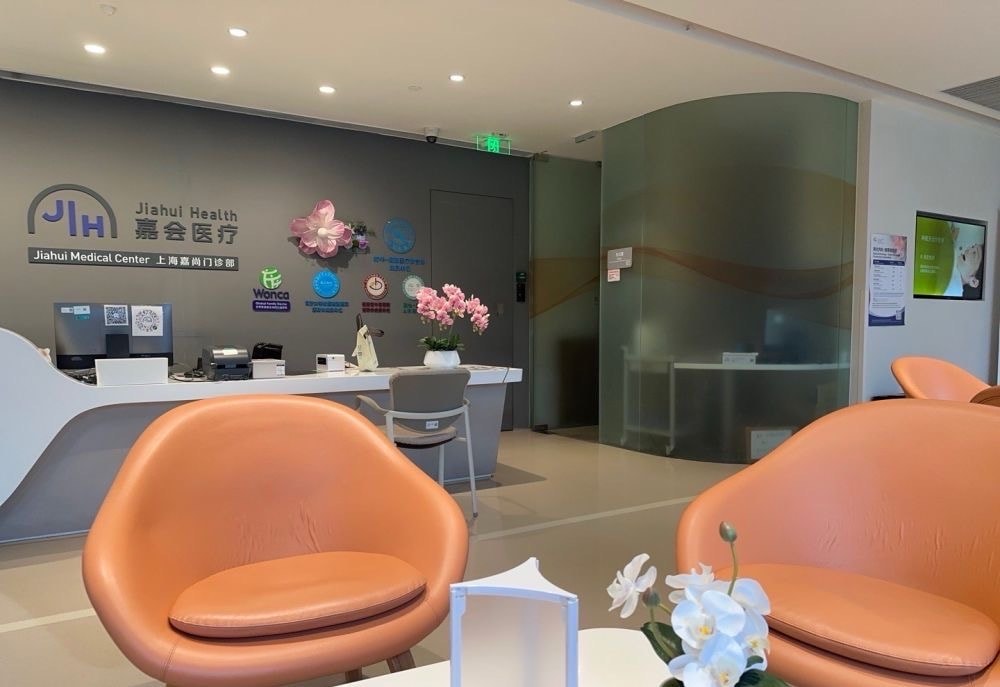
Jiahui Health also runs daytime clinics across the city, including Jing'an and Yangpu; the Guiping Lu hospital is the one that never closes. The 24-hour service line is 400 868 3000. Save it with the address in your phone now, in both languages, because 2am is not the moment to type hospital names into a map app.
Now the honest part about money. Our bill for that night, emergency consultation, CT scan, blood tests and medications, came to about 6,000 RMB, about 892 US dollars for a few hours of care. That is what private international emergency medicine costs here, and in the moment it was worth every fen to have him looked after quickly, in English, by people who were kind at 3am. Which brings me back to insurance: make sure yours actually covers Shanghai, and check whether it direct-bills at Jiahui before you need the ER. The difference between a covered night and an uncovered one is a story you tell at brunch versus a very expensive lesson.
Good to know
- 120 is the ambulance number. Save it now, not later.
- Your passport is your ID for booking, check-in, payment and the pharmacy.
- Register your passport in the 健康云 app this week, while nothing hurts.
- 22 RMB gets you in front of a public-hospital doctor. Tests and medicine are charged separately.
- Check whether your insurance direct-bills at Jiahui, United Family or Parkway before you need it.
- 用护照就能在健康云上挂号,普通门诊 22 元;急诊打 120,别等。
Which one is for you 哪个适合你
If cost matters more than comfort, register at a public hospital’s regular clinic. If you want the same senior doctors with calmer floors and more English, book the VIP 特需 clinic for a few hundred RMB. If you want everything in English and have international insurance, go private: United Family, Jiahui or Parkway. And at 2am, Jiahui’s 24-hour ER on Guiping Lu is the one to know.
The Classic of Filial Piety says 身体发肤,受之父母, that your body, to the last hair, comes to you from your parents. Care that costs twenty two yuan is care you can afford to seek early, before a small worry has time to grow into a real one.
Can expats see a doctor in Shanghai with just a passport?
Yes. Shanghai's official booking platforms, the Health Cloud app and Suishenban, accept a passport for real-name verification, and your passport is your ID for check-in, payment, and pharmacy pickup at the hospital.
What is the emergency number in Shanghai?
Call 120 for an ambulance in a genuine emergency. Everything else in this guide is for the non-emergency visits you can book in advance.
Can I see an English-speaking doctor in Shanghai?
Yes. Public VIP or international clinics inside major hospitals offer more English, and private international hospitals such as United Family, Jiahui, and Parkway operate fully in English.
How much does an international clinic visit cost in Shanghai?
A public VIP clinic runs a few hundred RMB per visit. Private international first consultations commonly start around several hundred RMB and climb past a thousand, and an overnight international ER with a CT scan and blood work can total around 6,000 RMB.