Shanghai's design hotels cluster in four areas, each with its own honest trade-off. Here is how to pick the one that fits your trip and your budget.
Shanghai's boutique and design hotels cluster in four areas, each with an honest trade-off: the Bund for river views and Art-Deco history, Jing'an for easy central access, the plane-tree lanes of Xuhui for the city locals actually love, and Xintiandi for polished calm. Expect roughly ¥800 to ¥1,500 (about USD 118 to 226) for a stylish small room, ¥1,500 to ¥3,000 (USD 226 to 451) for the boutique middle, and ¥3,000 to ¥6,000-plus (USD 451 to 892-plus) for heritage flagships and view suites. Pick the neighbourhood first; it shapes your days more than thread count does.
Good to know
- Good for: travellers who want the room and the building to be part of the trip, not just a place to sleep
- What you'll pay: anywhere from a mid-price boutique to a high-end design suite; in Shanghai the neighbourhood and the building drive the rate far more than the star rating
- Make the most of it: choose the area first, it shapes your days more than thread count does, then pick the hotel inside it
What "design hotel" means in Shanghai
Every city slaps "boutique" on a moody lobby, so let's be precise: in Shanghai a design hotel is usually a restored 1920s or 1930s building, a purpose-built property with one architect's vision, or a small converted mansion in Xuhui's old lanes. What unites them is intent; what they often lack is a serious spa, a gym worth using, or fast service, since small and stylish trades away the machinery a big chain runs on.
Where to base yourself: four neighbourhoods, honest trade-offs
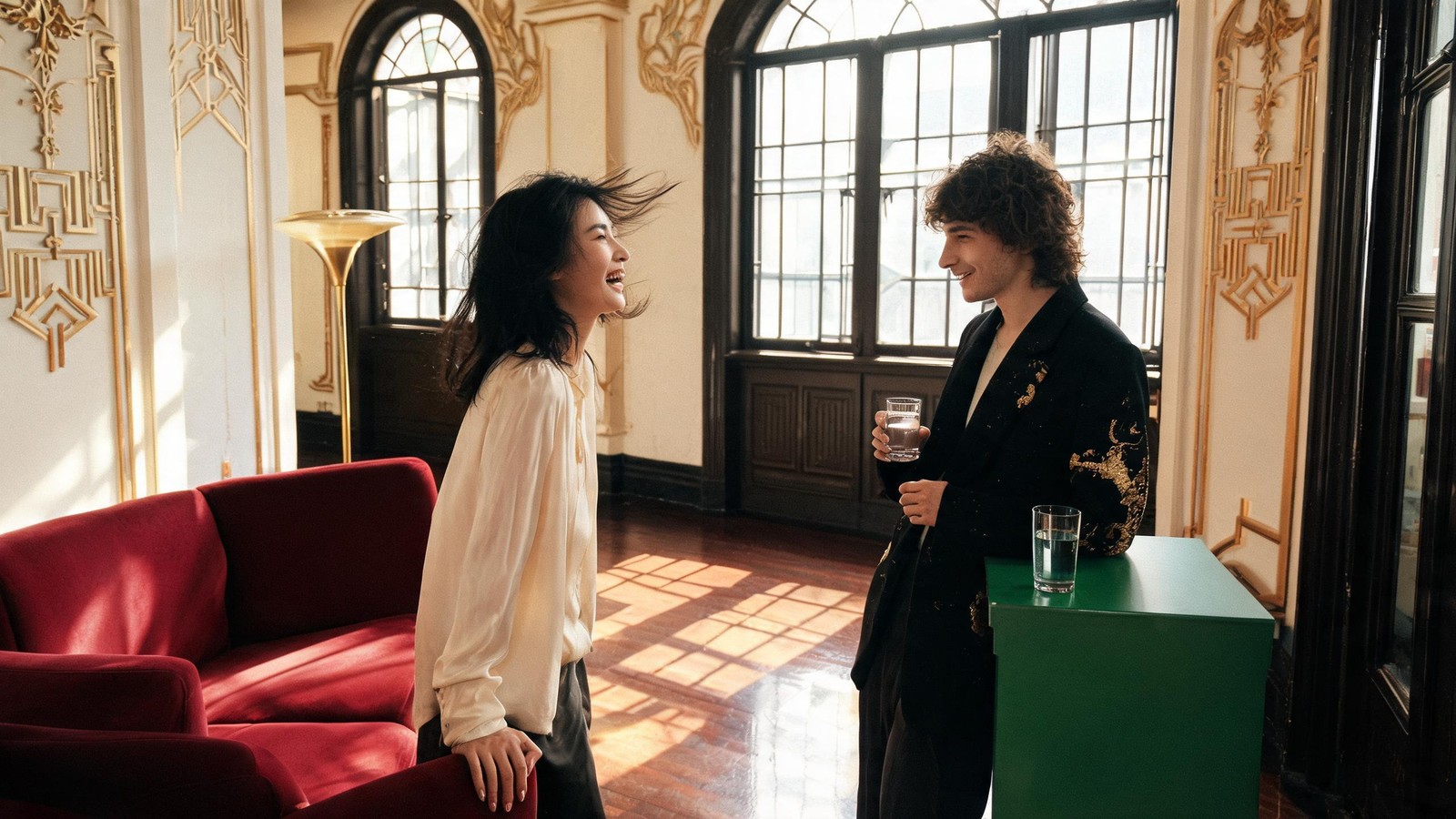
Location decides more of your trip than thread count: Shanghai is huge and the metro excellent, so what matters is landing somewhere you actually want to walk out into at night, and four areas hold almost every design property worth the money.
The Bund (Huangpu)
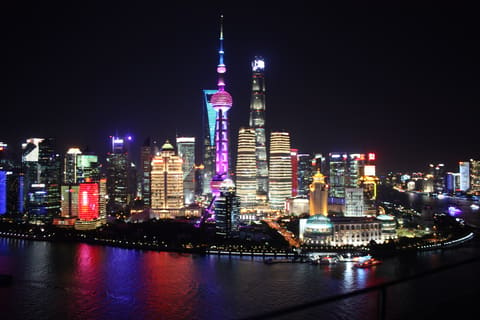
The postcard: river views and 1930s glamour, for a short, special stay built around the skyline.
Jing'an
The central all-rounder, anchored by the Jing'an Temple, good for a first trip when you want everything within reach.
Shanghai's plane-tree streets
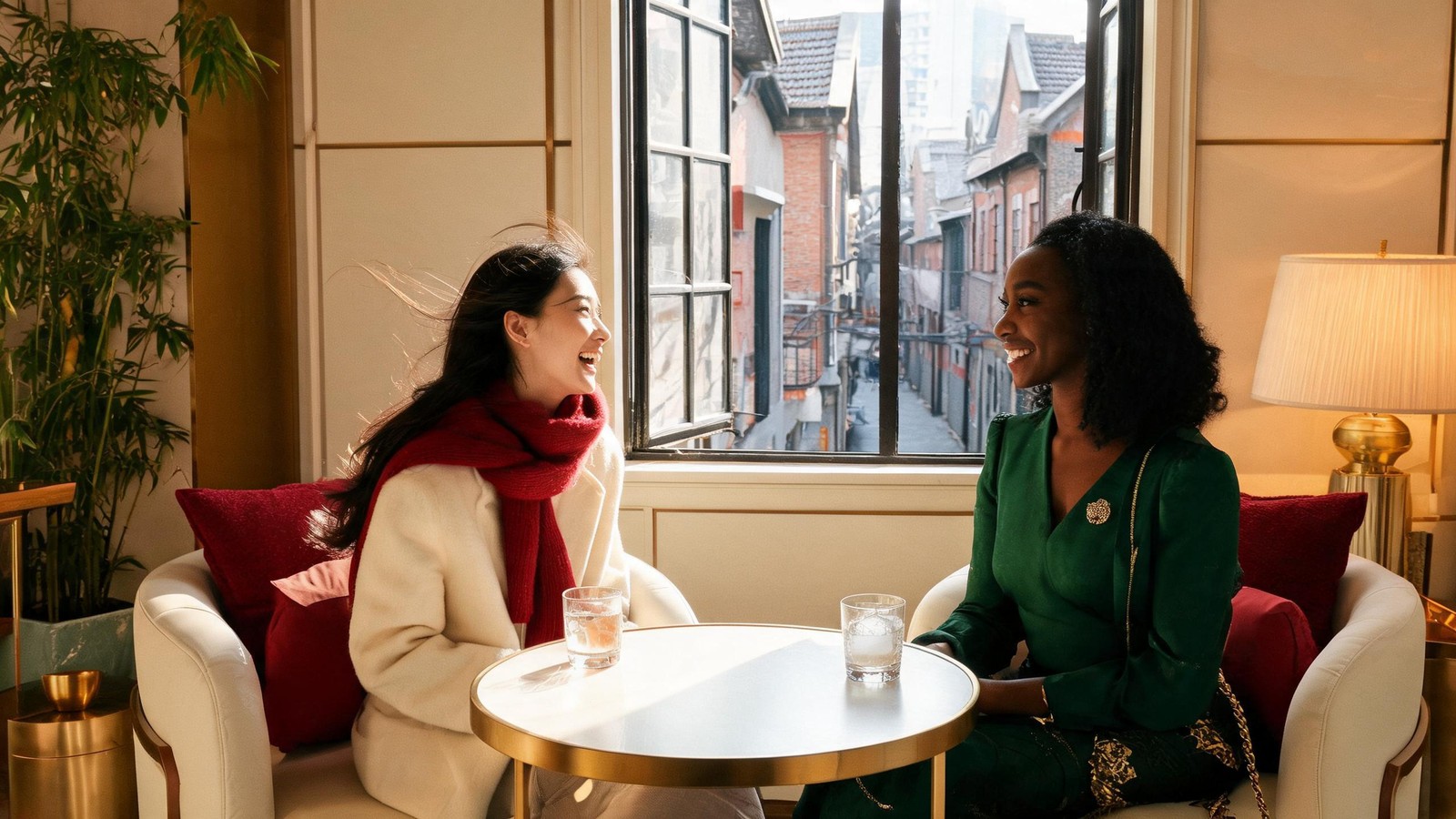
Leafy lanes and independent coffee with the small, personality-forward design hotels around Wukang Lu, the Shanghai people fall for and stay in longest.
Xintiandi
Restored shikumen, polished and hassle-free with a concierge, good for an easy, curated stay in the centre.
The shortlist, by vibe
Pick the look first, then the neighbourhood. These are the four categories worth your money, with rough price bands and who each one is for.
Heritage Art-Deco
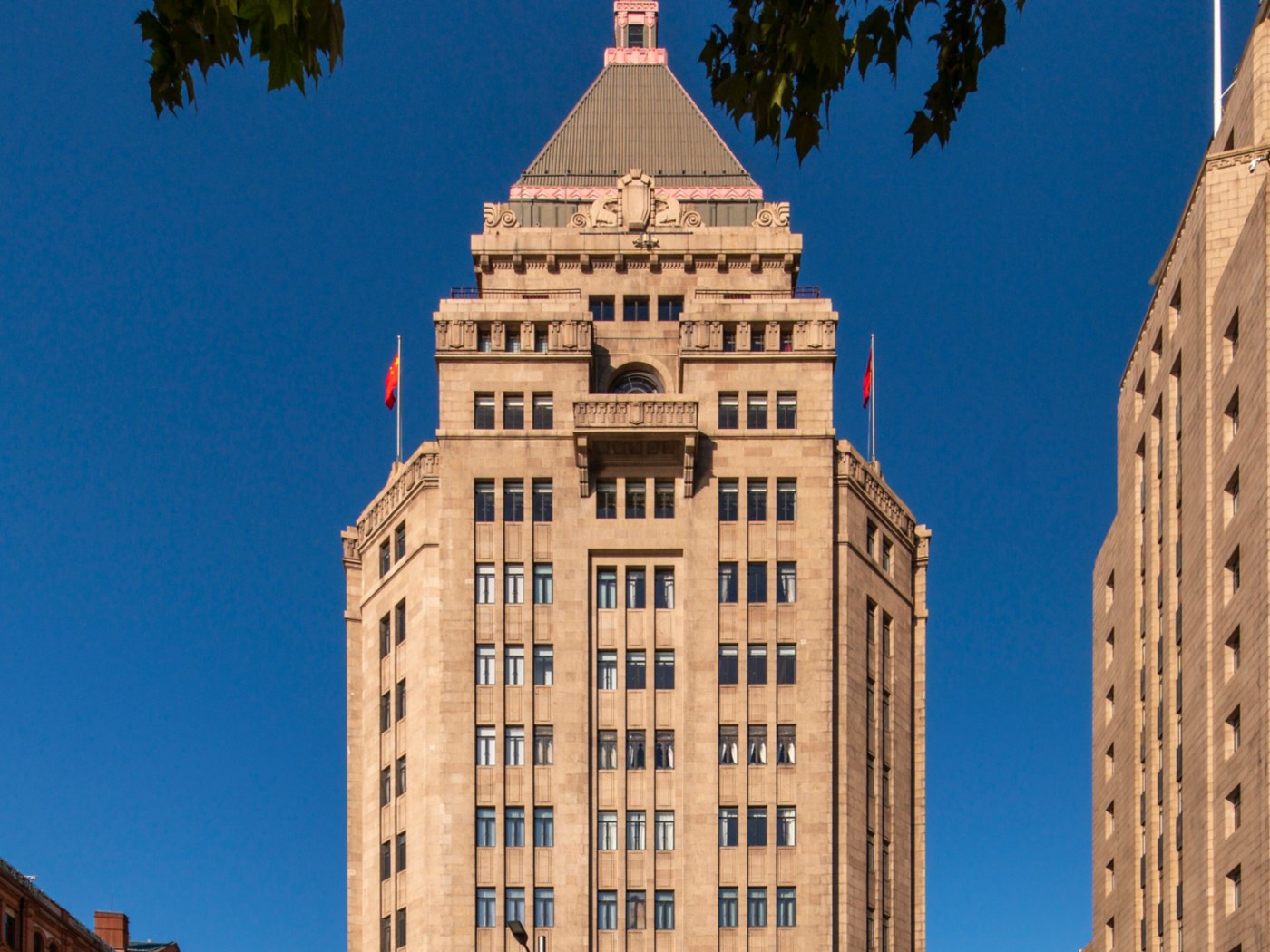
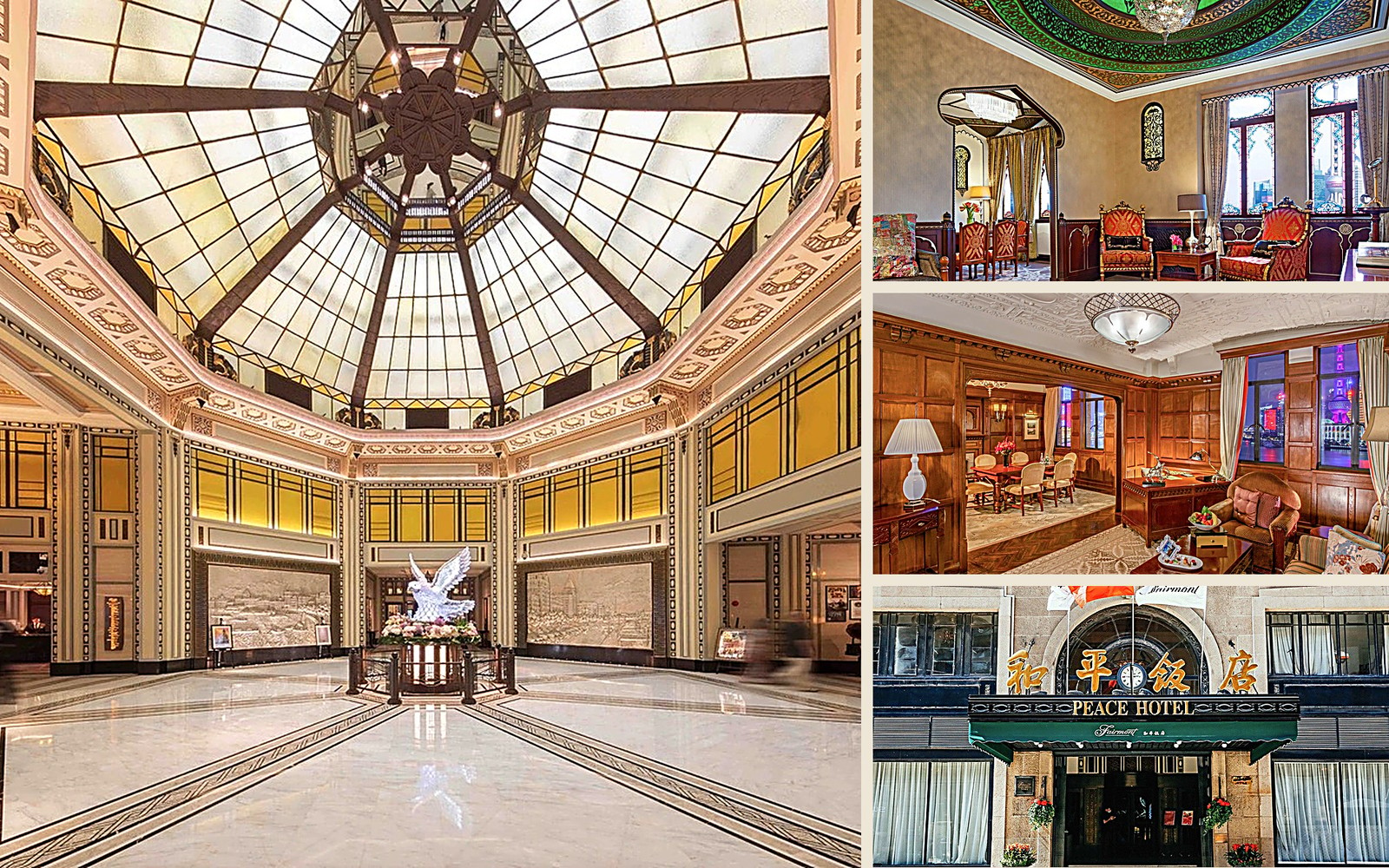
Shanghai did Art-Deco better than almost anywhere, and a handful of Bund and old-city buildings still trade on 1930s glamour: terrazzo, brass, jazz-age lobbies, rooms with actual history. This is the vibe for a big-occasion trip, an anniversary, or anyone who came for the old-world romance rather than the neon. Expect roughly 2,500 to 6,000 RMB (about USD 376 to 892) a night at the flagship end, more for a named suite. What you get is atmosphere and a lobby worth dressing for. What you sometimes lose is a modern bathroom and quick lifts. The landmark here is the Fairmont Peace Hotel on the Bund, the 1929 jazz-age original, with the Jazz Bar downstairs and river-facing suites above. It has long hosted visiting dignitaries, celebrated scientists and heads of state, and it turns up again and again as a location for Shanghai period cinema, so few buildings hold quite the place it does in a Shanghainese heart.
Minimalist design
The opposite end: concrete, oak, muted linen, a lobby that looks like a gallery and a room stripped to the essentials done well. These are usually purpose-built or gut-renovated, often in Jing'an or on the edges of Xuhui near Fumin Lu, and they photograph beautifully. Bands run wide, from around 1,200 RMB (about USD 183) for a smart small room to 3,500-plus (USD 527-plus) for the signature suites. The natural pick for design-literate travellers, solo trips, and anyone who finds gilt and chandeliers exhausting. The reference point is The Middle House, now rebranded Upper House Shanghai, in Jing'an, Piero Lissoni's calm tower of oak, stone and muted linen wrapped around a quiet courtyard.
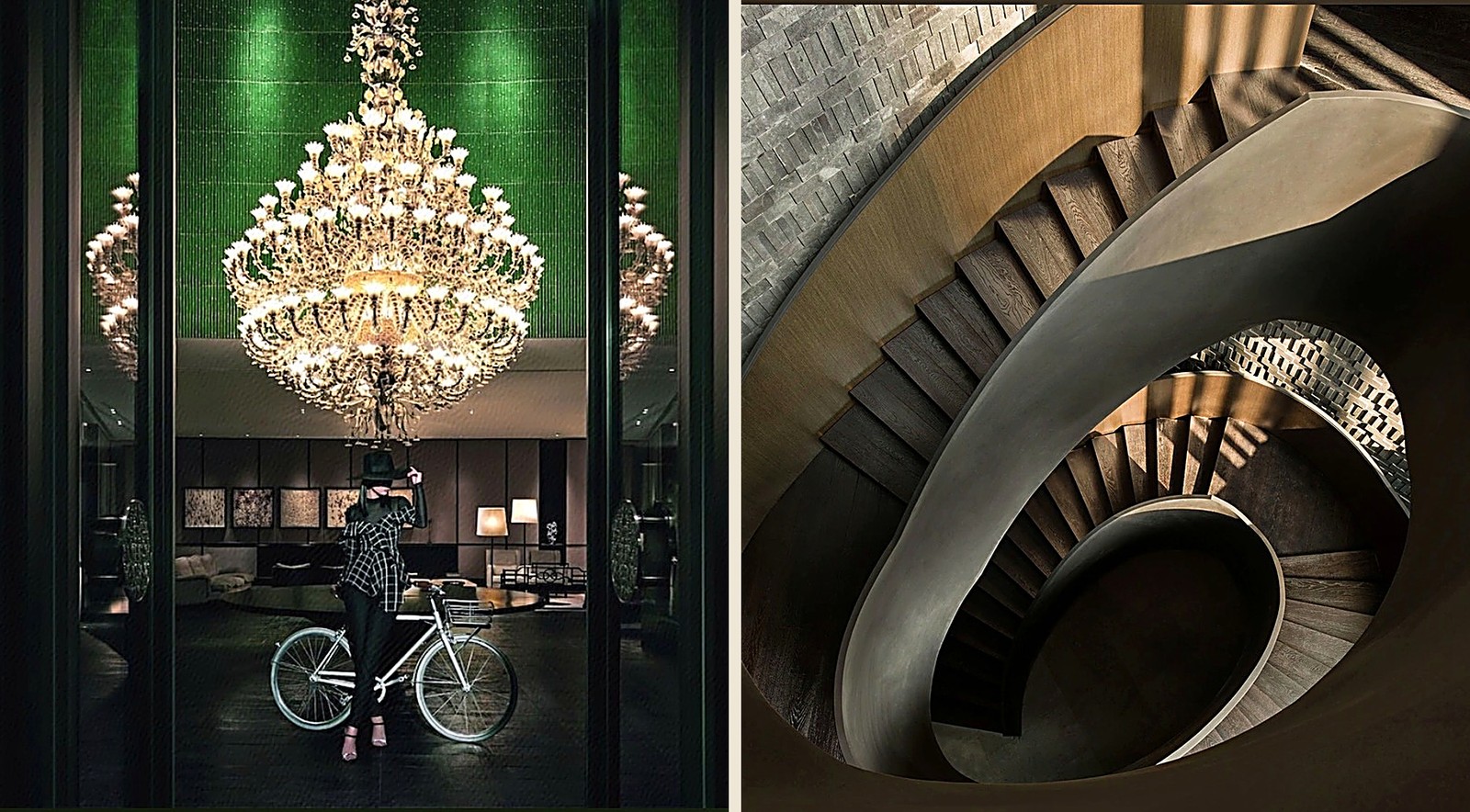
Garden-villa on the old lanes
The quietest luxury in Shanghai: a converted mansion behind a wall, a garden you can have breakfast in, maybe a dozen rooms, and staff who remember your name by day two. These live on the quiet stretches of Fuxing Lu and Yongkang Lu, and trade privacy for scale, so book early because they sell out. Bands vary a lot, roughly 1,800 to 5,000 RMB (about USD 269 to 741) depending on the house and the room. Ideal for honeymooners, repeat visitors, and anyone who wants Shanghai to feel like a secret rather than a spectacle. The one to book is Capella Shanghai, Jian Ye Li, a restored lane of 1930s shikumen villas in Xuhui, each with its own front door and garden.
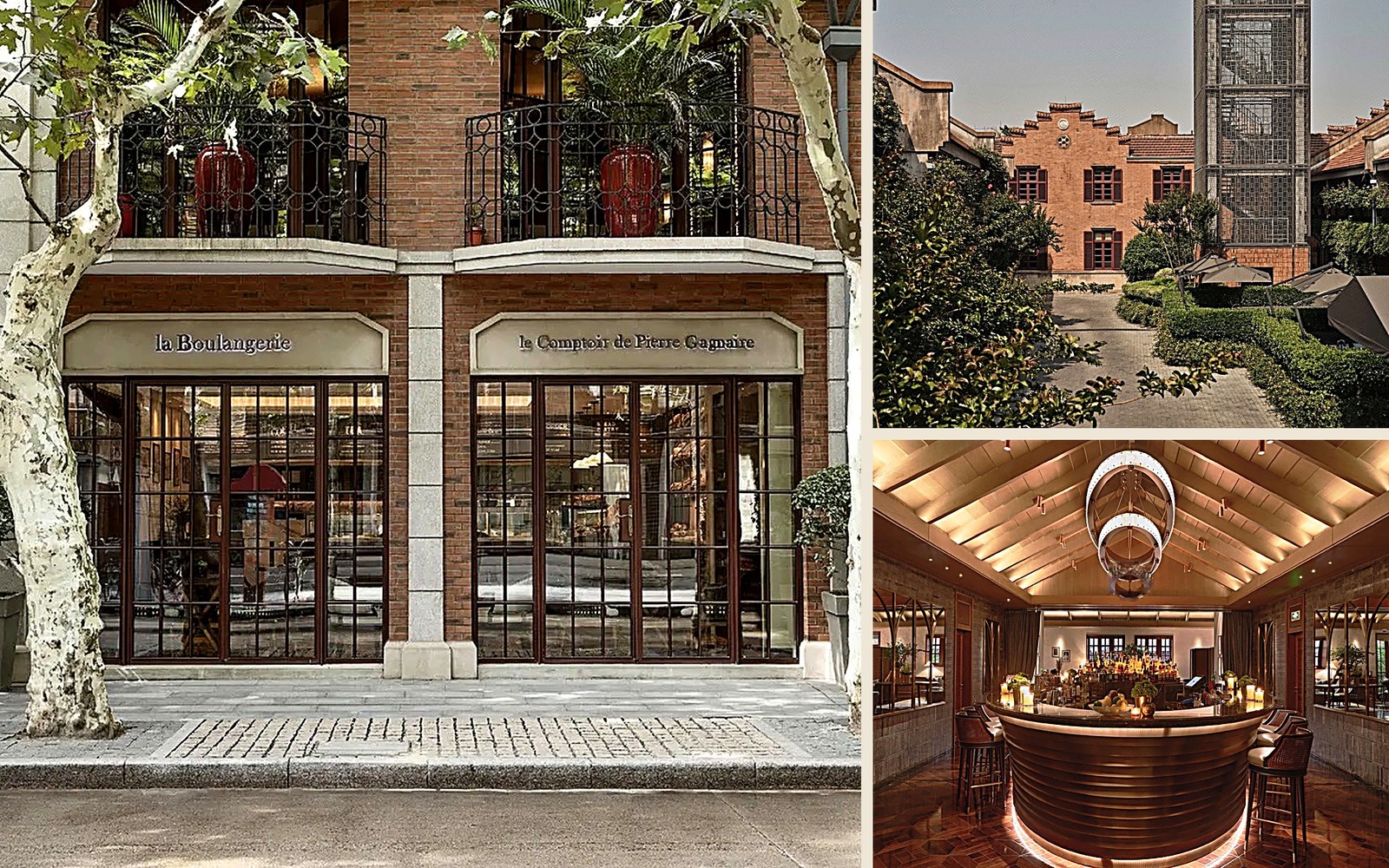
Rooftop-view
If the skyline is the souvenir, you want height. The pick of these put Pudong's towers in your window, or on a bar terrace you reach by lift, mostly along the Bund and in Lujiazui across the river. Reckon on 2,000 to 5,000 RMB (about USD 301 to 741) for a genuine view room, and read the fine print, because "city view" often means the building next door. If you only want the view for one drink, our rooftop-bars guide covers where to go without paying to sleep there. For the skyline in your own window, the Bulgari Hotel Shanghai on Suzhou Creek is the pick, with a rooftop bar you reach by lift.
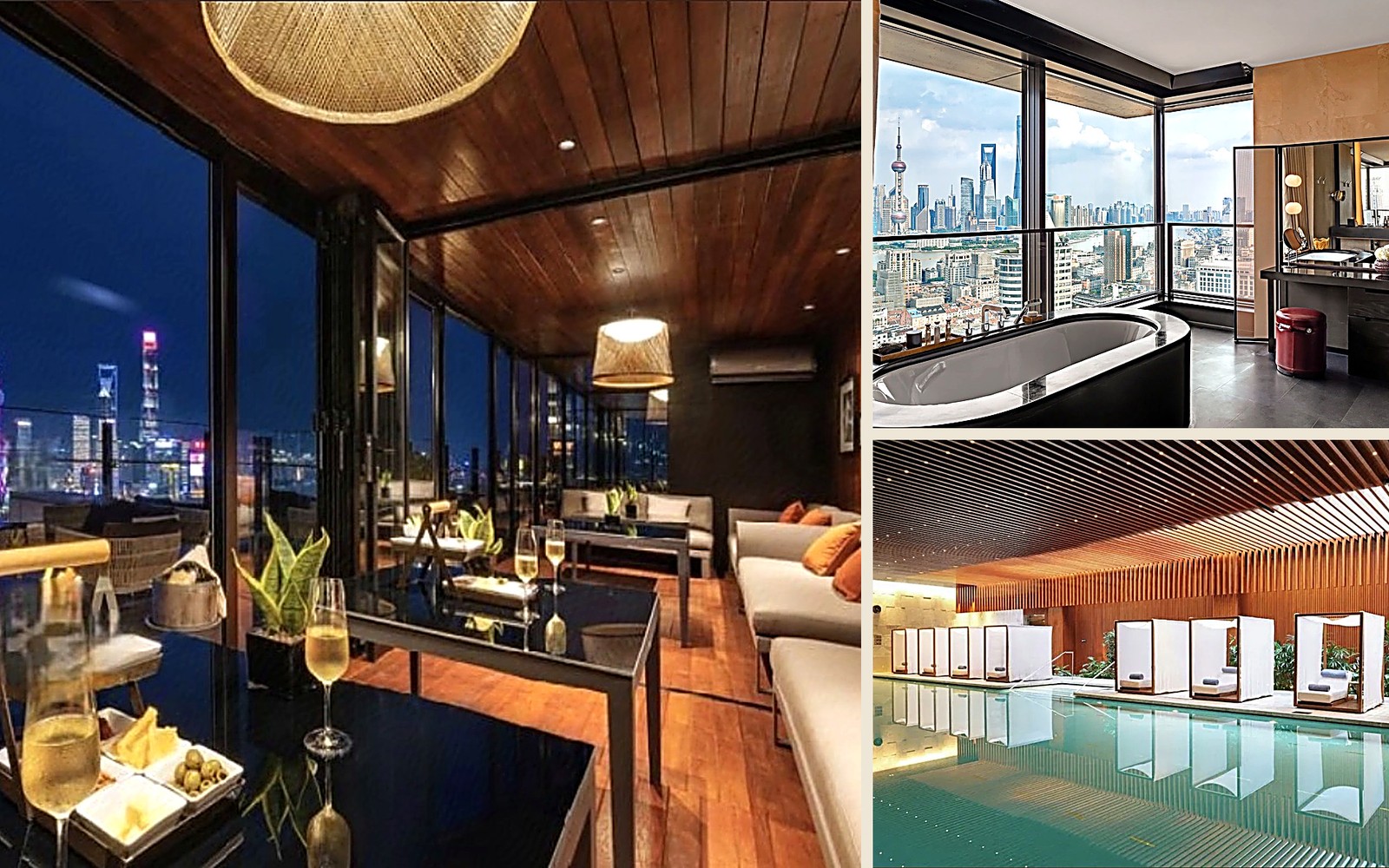
What you actually get at each price band
| Nightly rate | What you get | Who it suits |
|---|---|---|
| ¥800 to 1,500 USD 118 to 226 | Smart, small, design-forward rooms; real taste, tight space, few facilities | Solo and couple trips |
| ¥1,500 to 3,000 USD 226 to 451 | The boutique middle: bigger rooms, a proper bar or restaurant, real service | Most travellers |
| ¥3,000 to 6,000 USD 451 to 892 | Heritage flagships, garden villas and view suites; you pay for the building or the outlook | A special stay |
| ¥6,000 and up USD 892 and up | Named suites and the properties people book for the story | A once-in-a-trip occasion |
Rates swing hard with season and events, and most quote before the 6 to 15 percent service and tax, so check the final line before you book. USD converted at about 6.7 RMB to the dollar, August 2026.
Two practical notes. Prices swing hard with season and events, so the same room can double during a big trade fair or a public holiday. And most boutique properties quote before the 6 to 15 percent service and tax, so check the final line before you celebrate the rate.
What's overrated
Not every design hotel earns its rate. A few patterns to watch: the "concept" property where the styling is all in the lobby and the rooms are ordinary, the heritage building that is romantic to look at and slow to live in, and the view room whose window frames a construction hoarding. The lane-house look around Yongkang Lu is gorgeous, but a poorly insulated old house means street noise at 2am, so ask for a courtyard-facing room. And a rooftop bar attached to a hotel does not mean the hotel is worth sleeping in.
So where should you actually stay?
Short version: want everything easy on a first trip, Jing'an; old-world glamour and the river, the Bund; the Shanghai you come back for, the Xuhui lanes; handsome and hassle-free with a concierge, Xintiandi. Then match the vibe to the occasion, book early for anything with a garden or a real view, and read the small print on both the outlook and the price.
As Laozi wrote, 知人者智,自知者明, to know others is wisdom and to know yourself is clarity; the room that fits is less about the star rating than about knowing which version of the weekend you came for.
Do Shanghai's design hotels take foreign guests and foreign cards?
Yes. Every hotel in this guide is registered to take foreign guests and has English-speaking front desks; the trouble only comes with some budget or very local hotels that lack overseas-guest registration, which our guide to hotels that accept international guests covers. Most take Visa and Mastercard, though a few smaller boutiques prefer UnionPay, Alipay or WeChat Pay, so carry a backup.
Is it cheaper to book direct or through Ctrip or Trip.com?
Trip.com, Ctrip's international site, usually matches or beats the hotel's own rate, books in English without a Chinese phone number, and shows honest availability. Booking direct sometimes adds member perks like breakfast, a late checkout or a room upgrade, so check both, and go direct for a heritage flagship when you want one specific suite.
Do you need to speak Chinese to stay at these hotels?
No. The design and international hotels here have English-speaking staff, and Didi, metro signage and a translation app handle the rest of the city. The one handy thing to carry is a screenshot of your hotel's Chinese name and address to show a taxi driver.
What's the difference between a boutique hotel and a design hotel here?
In Shanghai the terms blur: boutique means small and independent-feeling, design means a strong, deliberate architectural point of view, and the ones worth booking are usually both. What matters more is heritage atmosphere versus clean minimalism, and how much space and facilities you will trade for character.