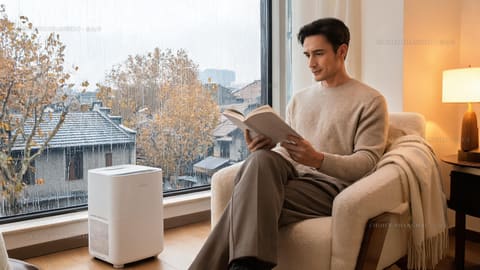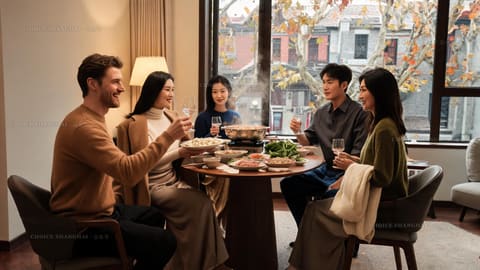
For a first visit stay near the Bund or People's Square; for cafes and plane trees pick Jing'an or the Wukang Lu side of Xuhui; for skyline views sleep in Lujiazui or Qiantan.
Pick your Shanghai base by trip type: the Bund and People's Square put first-timers within walking distance of the icons; Jing'an offers polish, metro lines and brunch; the Wukang Lu side of Xuhui is plane trees and boutique quiet; Xintiandi is shopping and nightlife; Lujiazui and Qiantan in Pudong deliver the skyline itself. Budget beds start around 200 RMB, international five-stars commonly run 1,500 RMB and up.
Where you sleep decides what Shanghai you meet. Stay by the river and the city is a postcard; stay under the plane trees and it is a series of cafes and slow evenings. I have hosted enough visitors to know the wrong base quietly taxes a whole trip with commutes, so here is the honest map.
Good to know
- Good for first-timers picking a base, and returning visitors deciding whether to swap the skyline for the plane trees.
- The one-line answer first trip, stay Bund or Jing'an; slow mornings, stay Xuhui; nightlife, Xintiandi; skyline from bed, river-facing Lujiazui.
- What you'll pay from about ¥150 a night in a hostel to ¥1,500 and up for an international five-star, spiking on holiday weeks.
Which area should you pick first?
If this is your first visit and you have three days or fewer, stay west of the river in Puxi, somewhere between the Bund and Jing'an Temple. Nearly everything a first-timer wants sits on that axis, and Metro Line 2 strings it together. Returning visitors and slow travelers should head straight for the low-rise streets of Xuhui. Arriving on the 240-hour transit policy? Your hotel handles the required registration automatically, one less thing per our visa-free transit guide.
The Bund and People's Square: the postcard base
This is where the skyline lives, and evenings here feel cinematic every single time. Heritage hotels line the waterfront, mid-range towers cluster around Nanjing Dong Lu, and you can walk to the Bund promenade, the old town and People's Square. The trade-off is daytime crowds and a shortage of neighborhood life; you are living in the lobby of the city. Budget wisely: river-view rooms carry a serious premium, and a rooftop cocktail delivers the same view for the price of a drink, as our rooftop bar guide proves. If you want the skyline without standing in the crowd for it, look just north across Suzhou Creek to Hongkou, where Bellagio by MGM Shanghai faces Lujiazui from the quieter North Bund side.
Jing'an: central, polished, effortless
Jing'an is the Goldilocks answer: the temple gives it a landmark, the malls and office towers keep hotels plentiful at every price, and Metro Lines 2 and 7 put the whole city in reach. Around the temple you will find international five-stars; toward Nanjing Xi Lu, serviced apartments and design-led mid-rangers. The streets south of the temple hide wine bars and brunch rooms that make coming home the point of the evening. If you cannot decide, decide Jing'an.
Xuhui and Wukang Lu: plane trees and boutique quiet
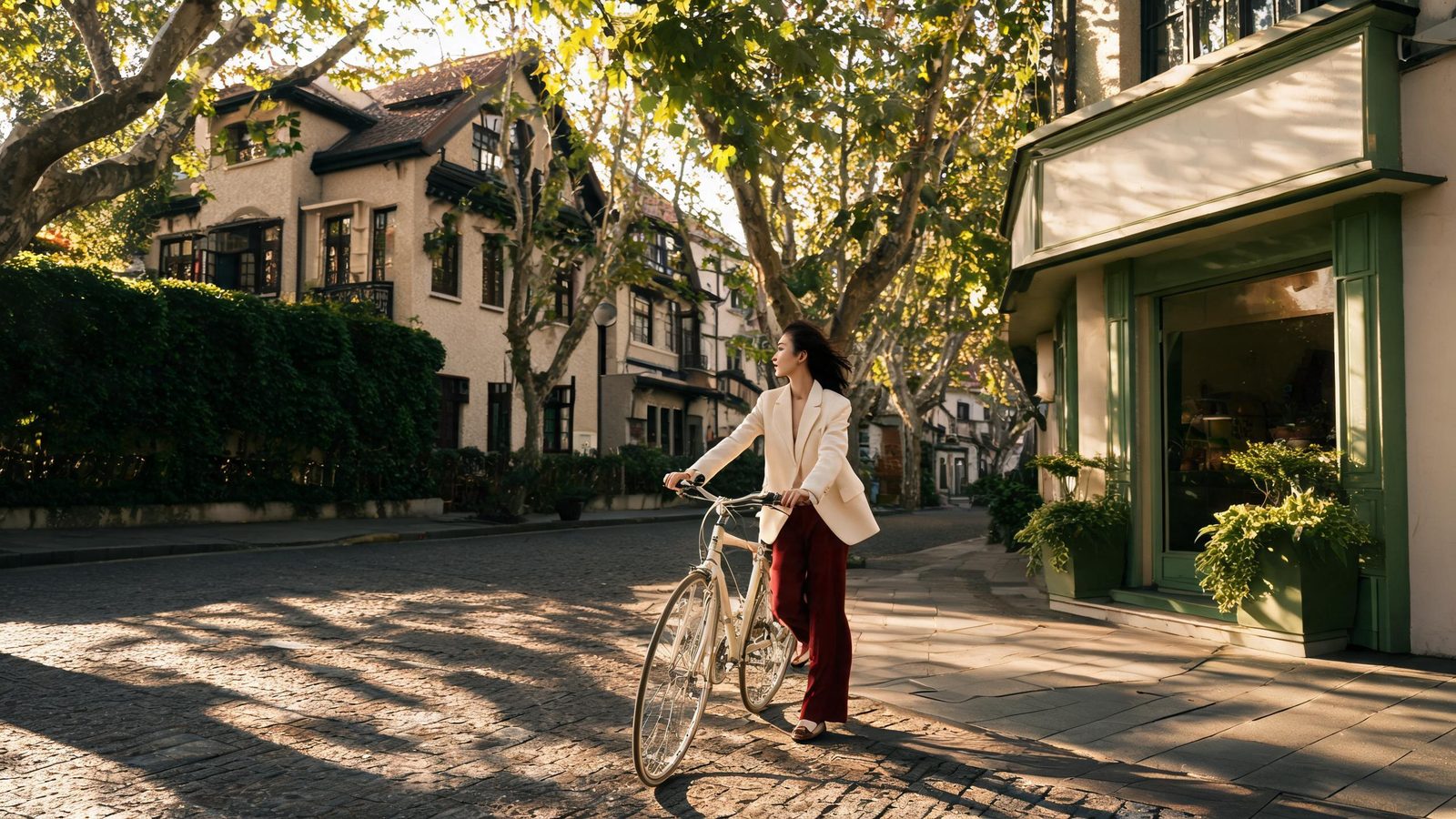
The historic lanes around Wukang Lu, Anfu Lu and Fumin Lu are Shanghai at its most romantic: 1930s villas, independent coffee, small designer shops. Hotels here skew boutique and small, plus a big modern anchor at Xujiahui where Andaz Shanghai ITC sits directly above a metro hub and a luxury mall. Base here if your Shanghai is walks and cafes rather than checklists; our Wukang Lu and Fumin Lu guide is essentially the neighborhood manual. At the top of the range, Capella Shanghai, Jian Ye Li on Jianguo Xi Lu is built into 55 restored shikumen villas, each with its own courtyard, which is about as close as you get to sleeping inside the neighborhood rather than beside it.
Xintiandi and the Old Town: shopping and shikumen nights
Xintiandi's restored shikumen blocks are pedestrian, glossy and extremely central, with Huaihai Lu shopping one street away and the old town's temple lanes walkable. Hotels trend upscale, restaurants and nightlife are on your doorstep, and Metro Lines 10 and 13 cross beneath. It suits travelers who want dinner-and-drinks energy every night without taxis; light sleepers should ask for a courtyard-facing room.
Pudong: Lujiazui and Qiantan for the skyline itself
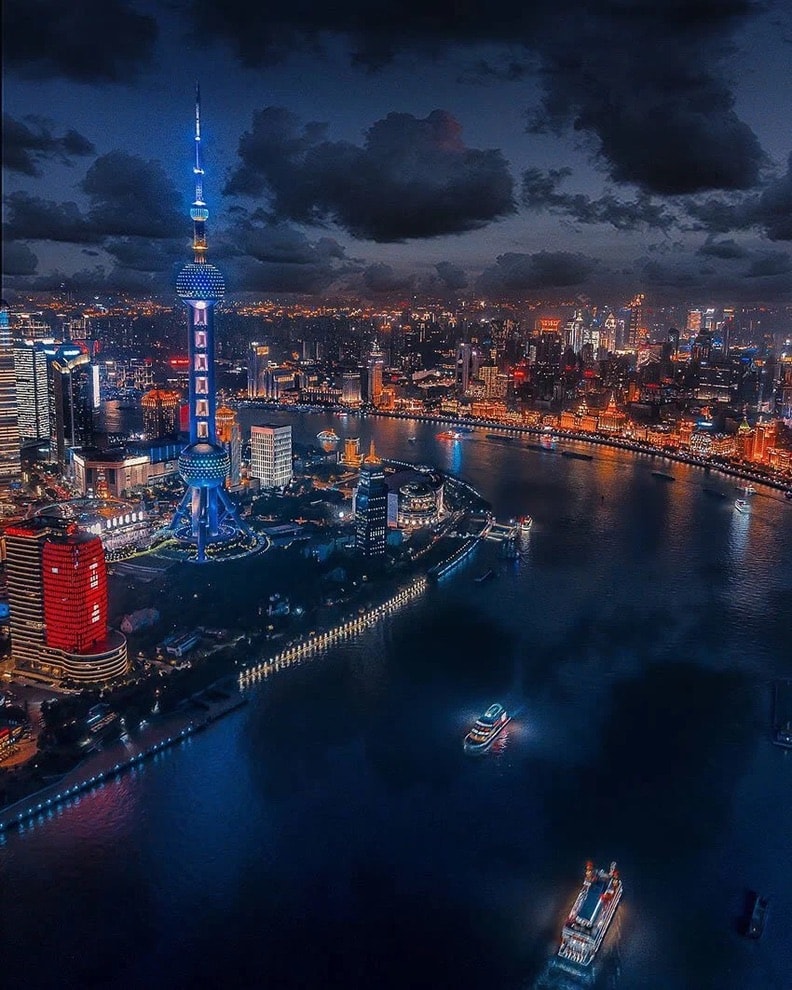
Sleep in Lujiazui and the light show happens outside your window. The supertowers hold sky-high five-stars, and river-facing rooms look back at the Bund's heritage line, arguably the better view. Further south, the new Qiantan district is calm, green and residential, home to Waldorf Astoria Shanghai Qiantan and the Kimpton Qiantan with its rooftop pool. Pudong is quieter at street level after dark; with Metro Line 2 and the airports on this side, it suits view-chasers and business trips more than first-time wanderers.
How much do Shanghai hotels cost in 2026?
Which one is for you 哪个适合你
If it is your first trip, base at the Bund or Jing'an. If you are back for a second helping or love slow mornings, take Xuhui. If you want nightlife on your doorstep, Xintiandi. If the skyline is the whole point, book river-facing Lujiazui. If you want new-Shanghai calm with resort polish, Qiantan.
Mencius taught 天时不如地利,地利不如人和, good timing matters less than good ground, and good ground less than people in harmony. Where you sleep in a city is really a quiet vote for which version of it you wake up inside.
Do hotels register me with the police?
Yes, automatically at check-in, which satisfies China's registration rule for the duration of your stay. Staying in a private home instead puts that duty on you; our registration guide explains the 24-hour rule.
Is Pudong or Puxi better for first-timers?
Puxi, for walkability and street life; you visit the skyline, you do not need to live inside it. Choose Pudong when the view from bed is the priority.
How do I get from the airports to these neighborhoods?
Pudong Airport connects by Line 2, the maglev and taxis from about 200 RMB to central Puxi; Hongqiao is practically downtown. Full options are in our airport transport guide.
Can I book Chinese hotels with a foreign card?
On international platforms and hotel sites, yes, and Trip.com handles local properties in English well. A minority of domestic budget chains cannot host expats, so book ones showing foreign-guest acceptance.