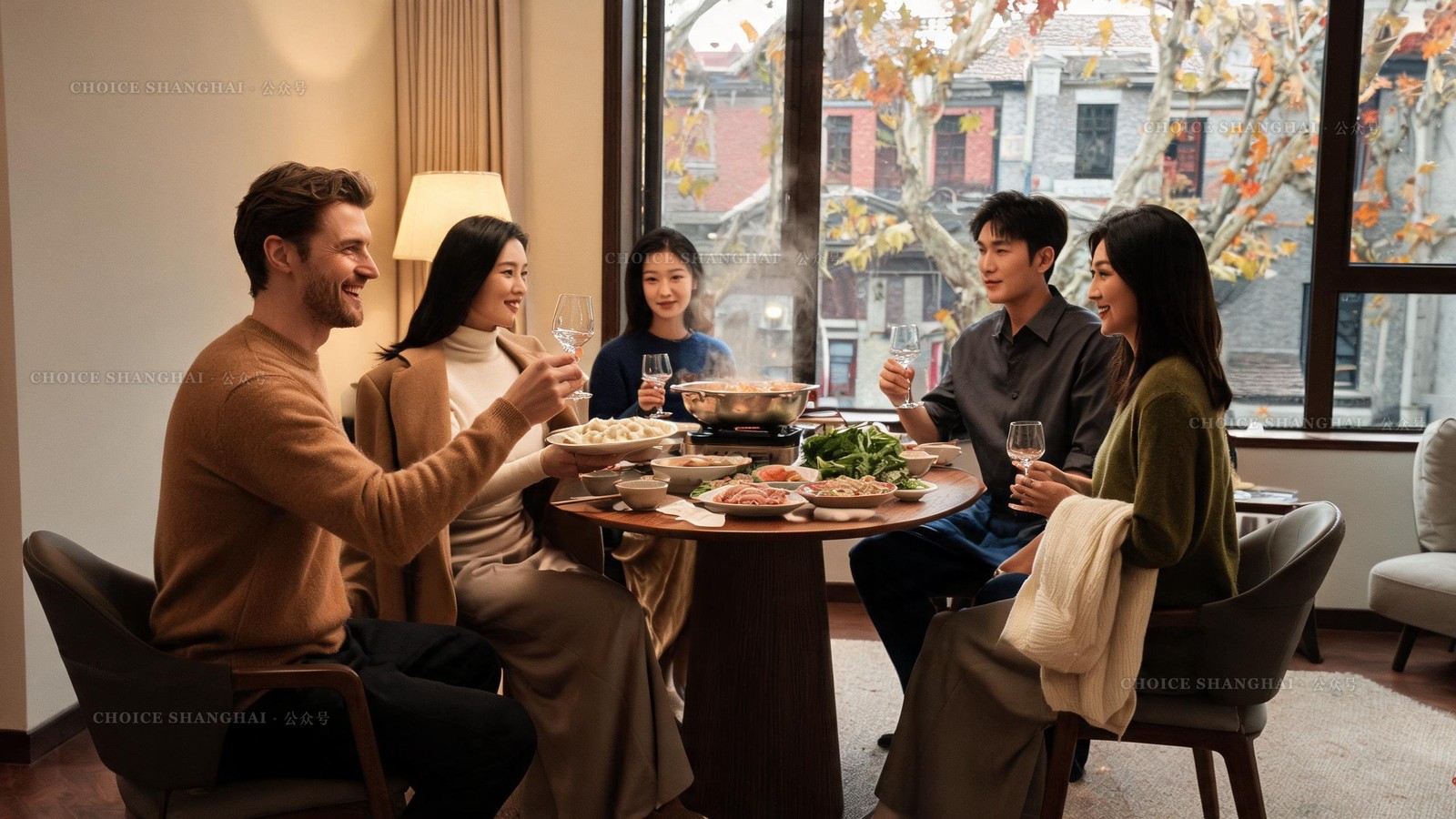
You can host six people in a small Shanghai flat without a dining table or much cooking: a shared hotpot, a foldable round tabletop and about ¥80 to ¥150 a head (USD 12 to 22).
You can host six people in a small Shanghai flat without a dining table or any real cooking. The trick is a shared format, usually a hotpot or a spread of ordered-in dishes, a foldable round tabletop or a cleared coffee table, and a few borrowed stools. Reckon on ¥80 to ¥150 a head for the food (about USD 12 to 22), one afternoon of setup, and a message to your downstairs neighbour. Here is how to pull it off.
Can you really host a dinner in a Shanghai apartment?
Yes, and it is one of the warmest things you can do in a city where so many people are far from home. Shanghai flats are small, so the move is not to recreate a formal sit-down dinner but to lean into the shared-pot, shared-plate format locals already love: one bubbling centre, lots of small dishes, everyone reaching in. It needs less space, less skill and less washing up than a plated meal, and it is the fastest way to turn a group of acquaintances into actual friends, which our guide to making real Chinese friends gets into properly.
The gear that makes a small space work
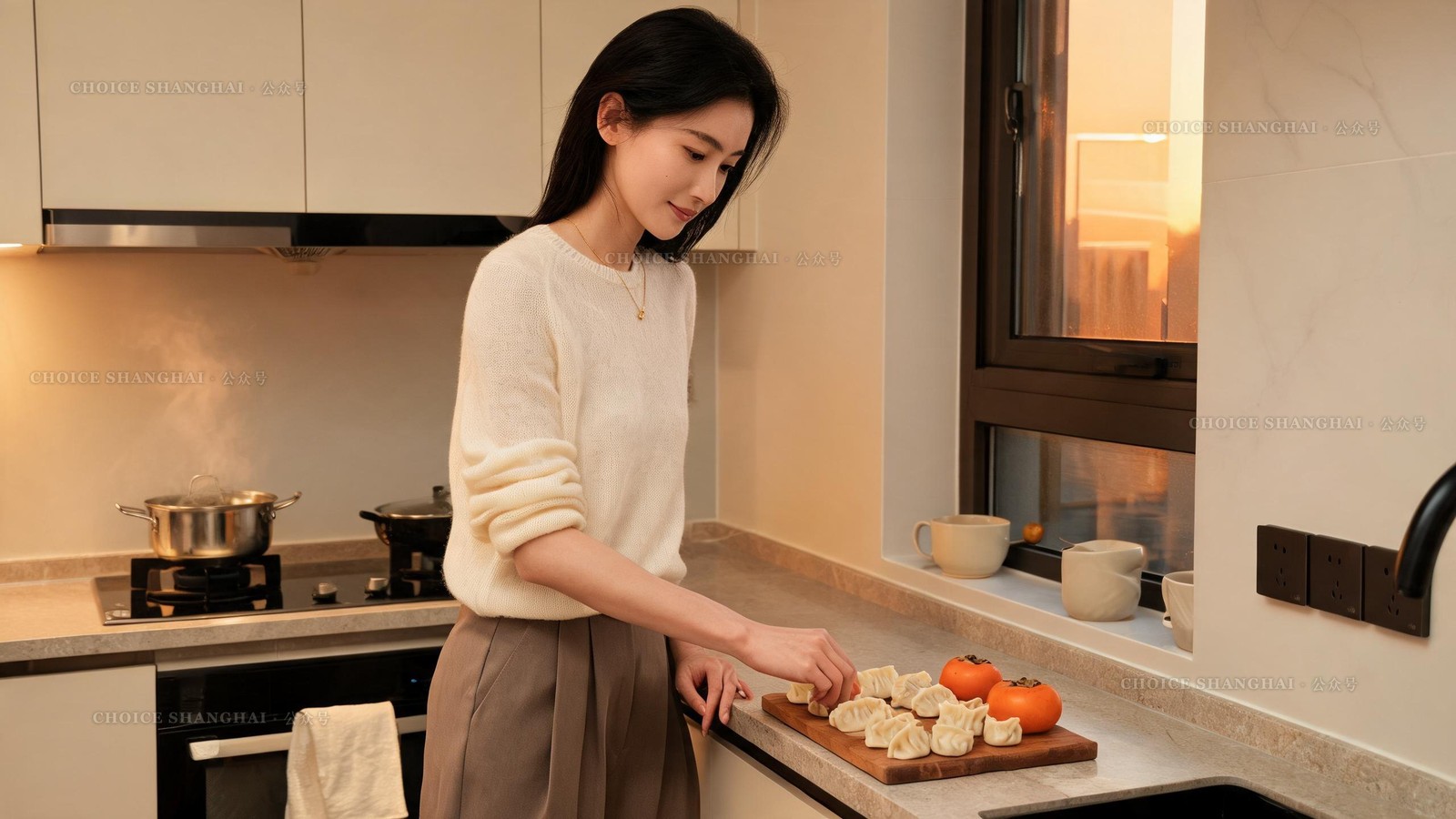
Hosting in a small flat is a kit problem, not a space problem. The three things that change everything are a surface big enough to gather around, a heat source you can run at the table, and enough seats. You do not need to buy much, and most of it lives in a cupboard afterward. Here is the starter kit and what it costs on Taobao.
All in, a reusable host kit runs about ¥370 to ¥730 (roughly USD 55 to 109), and you only buy it once. If you would rather not own any of it, many compounds have neighbours who lend a hotpot set, and the same gear shows up in our guide to furnishing an empty flat. Converted at about 6.7 RMB to the US dollar, October 2026.
What to serve when you can't cook for ten
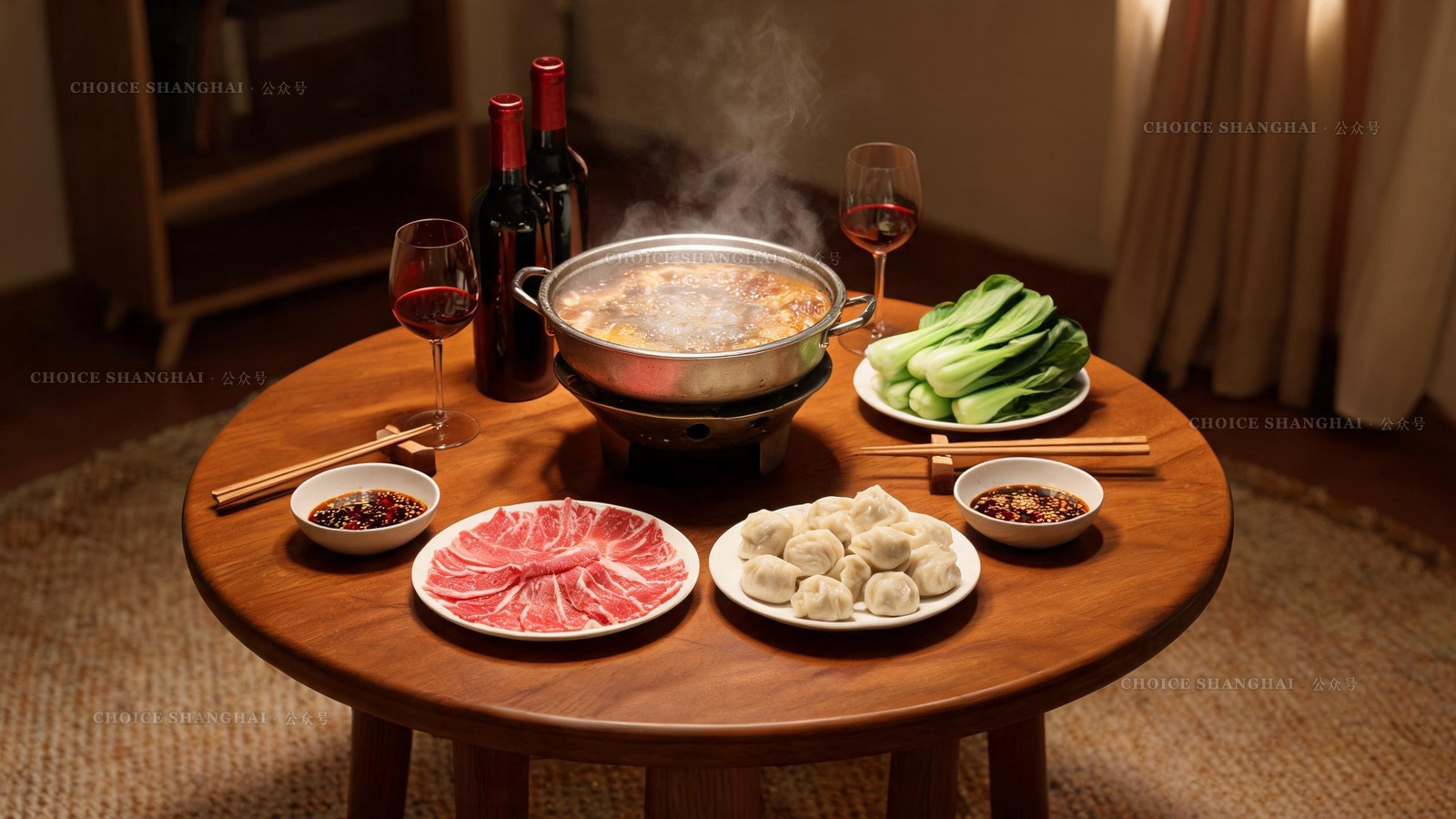
The honest answer is: you mostly assemble, you do not cook. A hotpot dinner is raw ingredients everyone cooks themselves, so your job is shopping, not timing a kitchen. Buy a soup base packet and sliced meat, greens, tofu, mushrooms and dumplings from a supermarket or on a delivery app, lay it out, and let the table do the work. Budget ¥80 to ¥150 a head (about USD 12 to 22), more if you add seafood. Not a hotpot crowd? Order three or four big shareable dishes in, add a shop-bought dessert, and you have a spread without turning on the stove. For the cheese, bread and wine end of a grazing table, our guide to Western groceries in Shanghai has the where.
Drinks, and keeping it civil with the neighbours
Drinks are where a budget quietly balloons, so set it before guests arrive. A case of local craft beer or a few bottles of supermarket wine covers most evenings for a fraction of a bar tab, and guests nearly always bring something, so you rarely need to over-buy. The one thing newcomers forget is the building: Shanghai flats share thin walls and a property-management team that fields noise calls fast. Keep the volume down after about 10pm, give a heads-up to the neighbour sharing your wall, and wind a weeknight dinner down by eleven. A guest arriving with a small gift is normal here, and our guide to what to bring (and never give) covers the etiquette if you are the one invited next time.
Good to know
- Good for: turning a loose group of friends into a real circle, a birthday, a homesick holiday, or paying back everyone who has hosted you.
- What you'll pay: a one-off host kit of about ¥370 to ¥730 (USD 55 to 109), then ¥80 to ¥150 a head (USD 12 to 22) for the food each time.
- Make the most of it: go hotpot or order-in rather than cooking, borrow or buy folding furniture, and message your neighbour before, not after.
How many people can you host in a small Shanghai apartment?
Six to eight is comfortable around a foldable round tabletop in a typical one or two-bedroom Shanghai flat, if you use a shared hotpot or order-in format rather than a plated sit-down meal. Past eight, people end up eating standing up, which is fine for drinks but not for dinner.
Do I need a dining table to host dinner in Shanghai?
No. A foldable round tabletop for about ¥90 to ¥200 (USD 13 to 30) sits on a coffee table or a pair of stools and seats six, then folds flat into a cupboard afterward. It is the single most useful thing a small-flat host can own.
Will my building let me have people over for dinner?
Yes, a normal dinner party is completely fine. The only real rule is noise: Shanghai buildings have a responsive property-management team, so keep the volume down after about 10pm and give the neighbour on your shared wall a quick heads-up. Trouble only comes from loud late parties, not from a dinner.
What is the easiest thing to serve guests at home in Shanghai?
Hotpot, by a distance. You buy a soup-base packet and a spread of raw ingredients, everyone cooks their own at the table, and there is almost no kitchen work or timing. It costs about ¥80 to ¥150 a head (USD 12 to 22) and suits any group size you can fit around the pot.
As Confucius opens the Analects, 有朋自远方来,不亦乐乎, is it not a joy when friends come from afar; in a city this far from home, a table full of them is the whole point.
Words, maps and research by the Choice Shanghai team. Please credit us and tag our 公众号 if you share.