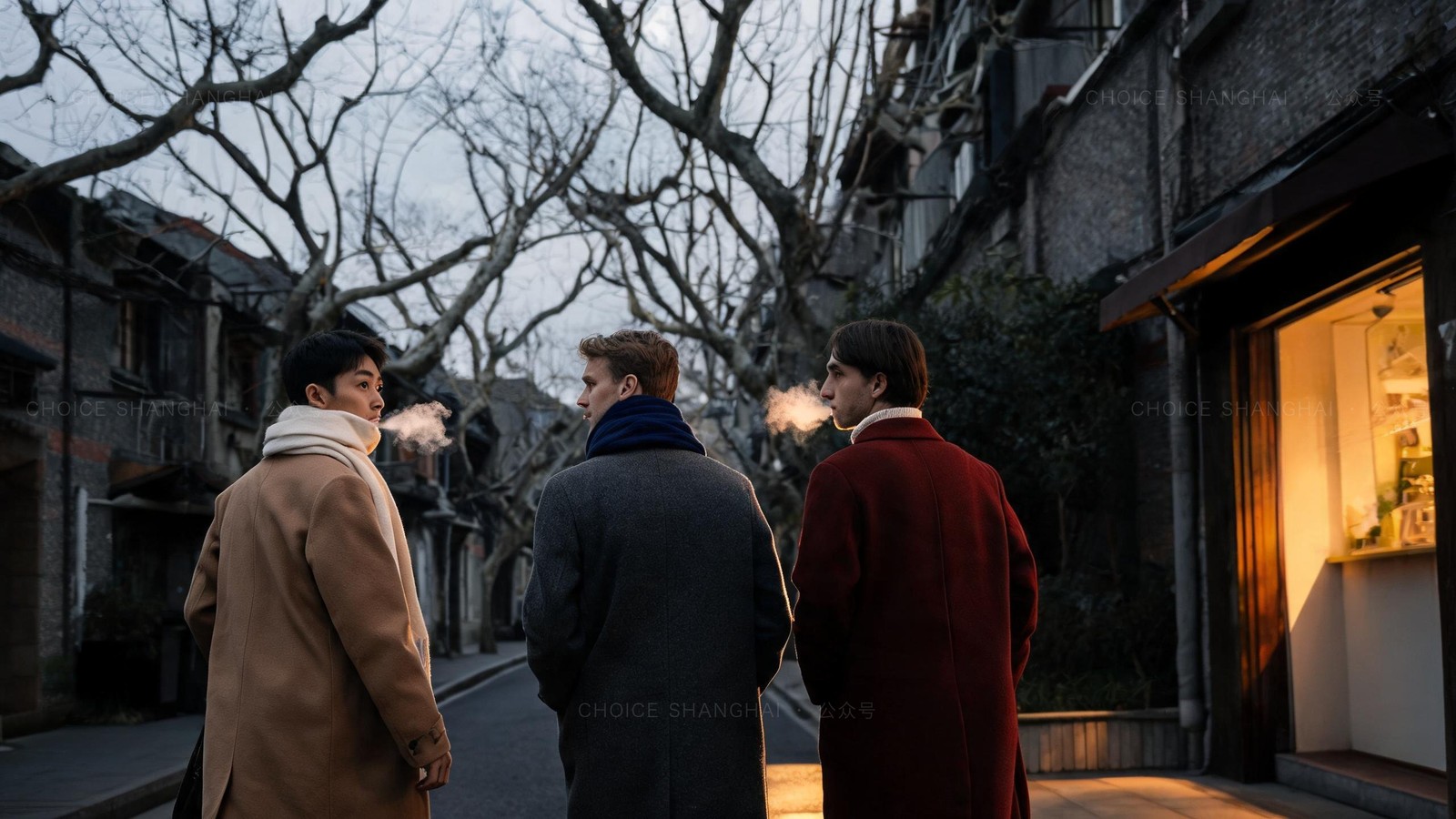
Your first Shanghai winter is not about snow, it is a damp grey cold around 2 to 8 degrees that lives indoors because flats here have no radiators.
Your first Shanghai winter is not about snow. It is about a damp, grey cold of roughly 2 to 8 degrees that lives indoors because flats here have no radiators, and it catches almost every newcomer out. Get five things right, heating, damp, clothes, food and your own head, and the season turns from grim to genuinely lovely. Here is the whole playbook in one place.
Shanghai sits just south of the line where China's municipal heating stops, so from December to February you heat your own home, one room at a time. The temperature on your phone will say 6 degrees and your bones will argue it is colder, because the air is wet. None of this is a crisis. It is just a thing nobody warns you about until you are standing in your own kitchen in a coat.
Good to know
- When it bites: mid-December to late February, with the raw stretch around 大寒 (late January). Days are short and often grey.
- What you will spend: a one-off winter kit runs about 1,500 to 3,000 RMB (roughly USD 225 to 450), then your electricity bill climbs while the heating is on.
- The one thing to buy first: a dehumidifier. In Shanghai, dry air feels warmer than the thermostat suggests, and it saves your walls.
Why your first Shanghai winter catches you off guard
Shanghai has no central heating. The country's old heating line runs along the Qinling mountains and the Huai river, and the city sits just below it, so public buildings and most homes were simply built without radiators. Winter here is not Arctic, lows hover around freezing and snow is rare, but it is damp and it is indoors, which is the part that surprises people who expected either a warm flat or real snow and got neither.
The cold also arrives politely and then stays. October is mild, November cools, and sometime in December the flat stops feeling like a refuge. If you have just landed, read our one-page guide to settling in first, then come back here for the season itself.
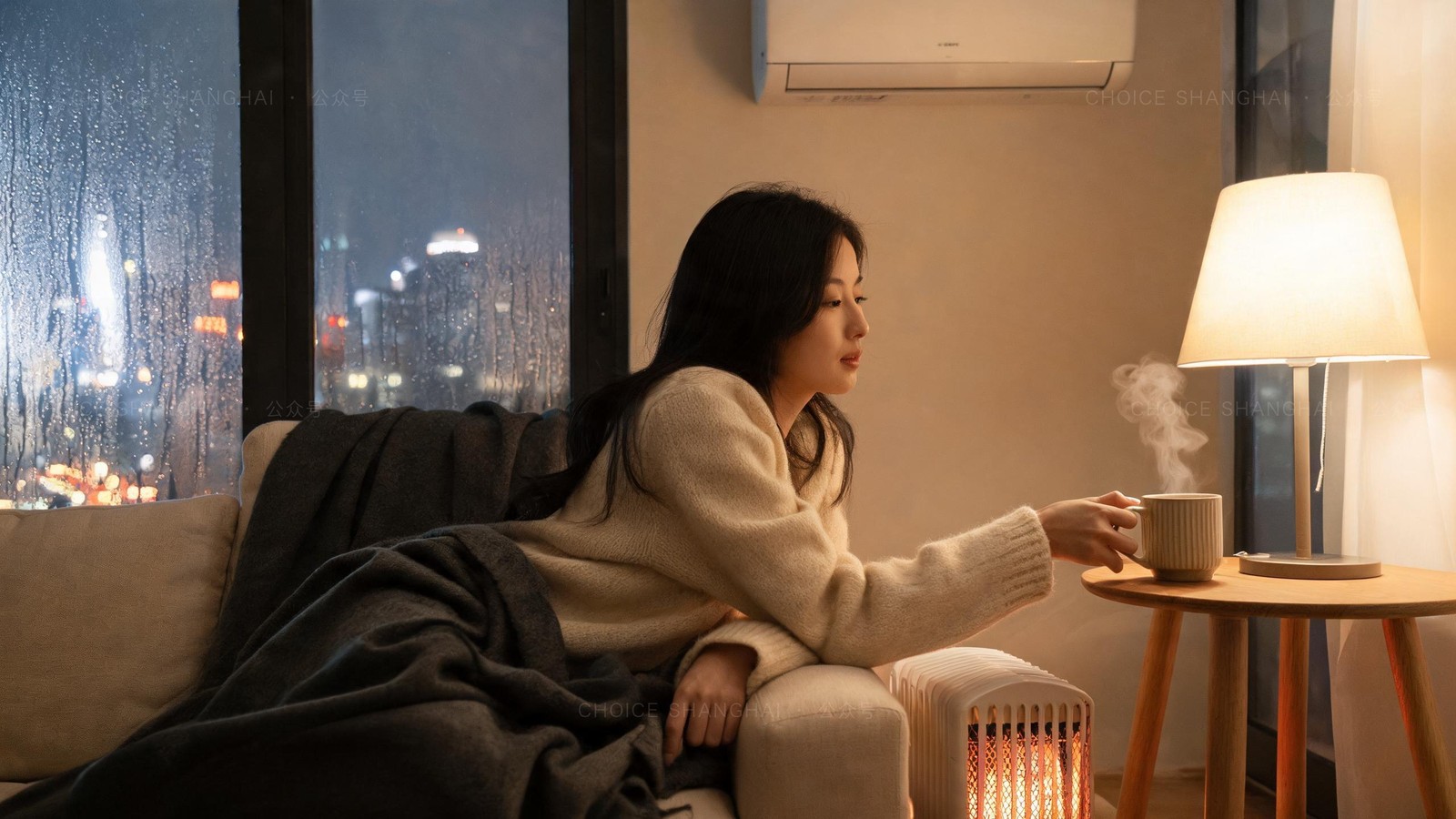
Heat a flat that has no radiators
In a Shanghai flat you heat the room you are in, not the building. The reverse-cycle air conditioner on the wall is your main heater: switch it to the sun symbol (制热), aim the louvres down, and give it ten minutes. It dries and warms the air but costs the most to run, so most people pair it with something cheaper and closer. A newer or higher-end flat may have 地暖, underfloor heating, which is quietly wonderful and worth asking about before you sign a lease.
The cheap wins: an oil-filled radiator (¥200 to ¥500, about USD 30 to 75) to warm one room through the evening, and an electric blanket or mattress pad (¥80 to ¥200, about USD 12 to 30) so the bed is not a shock at 11pm. Our full no-heating survival guide breaks down every option and the bill each one adds.
The real enemy is the damp, not the number
Shanghai's winter cold feels harsher than it reads because the humidity sits high, and wet air pulls heat straight off your skin and leaves it on your walls as mould. A dehumidifier (¥500 to ¥2,000, about USD 75 to 300) is the smartest winter purchase you can make in this city: it makes the same room feel two or three degrees warmer, protects your clothes and shoes from going furry in the wardrobe, and runs cheaper than cranking the AC higher. If black spots are already creeping along your skirting, our guide to beating damp and mould has the full fix.
Dress for a wet five degrees, not a dry one
The Shanghai winter uniform is layers plus one genuinely warm coat, because you move constantly between an unheated street, an over-warm metro and a patchily heated office. Base layer, a knit, and a down jacket or heavy wool coat will carry you through almost every day; add a scarf and you have beaten most of it. Skip the fashion-first thin coat that looks the part and does nothing. Where to find a warm one without overpaying is its own small art, covered in our warm-coat guide.

Eat like it is actually winter
Shanghai's winter food is reason enough to stop sulking about the weather. This is hotpot season, a bubbling pot and a table of friends being the correct answer to a cold Tuesday, and it is also the season of 生煎 fresh off the griddle, roasted sweet potatoes sold from oil-drum carts, and 糖炒栗子, sweet chestnuts turned in hot sand on the pavement. A bowl of something hot costs very little: see what locals actually order in our guide to winter food in Shanghai and the breakfast that warms the morning. On the thriftiest days, a community canteen serves a hot meal for around ¥15 (about USD 2).
When the short, grey days get to you
The hardest part of a Shanghai winter is not the temperature, it is the light: short days, low sun and weeks of flat grey that flatten your mood with them. This is normal and it is worth taking seriously. Get outside in whatever daylight exists, keep plans in the diary, and when the city itself feels too heavy, go find some warmth, a hot spring near Shanghai, a day in real snow, or a proper winter escape. If the low lingers past a bad week, our guide to getting through a Shanghai winter is honest about when it is more than the weather.
| Your first-winter kit | What it does | Rough cost |
|---|---|---|
| Dehumidifier | Makes the room feel warmer, saves walls and clothes from mould | ¥500 to ¥2,000 (USD 75 to 300) |
| Oil-filled radiator | Cheap, close heat for one room through the evening | ¥200 to ¥500 (USD 30 to 75) |
| Electric blanket or mattress pad | A bed that is not a shock at bedtime | ¥80 to ¥200 (USD 12 to 30) |
| A proper warm coat | Down or heavy wool, the one you actually leave in | ¥600 to ¥2,000 (USD 90 to 300) |
| Base layers and a good scarf | The layering that beats a wet, in-and-out day | ¥150 to ¥400 (USD 22 to 60) |
Buy the dehumidifier and a warm coat in the first week, and add the rest as the cold deepens. Most of it is on Taobao for next-day delivery.
Does it snow in Shanghai in winter?
Rarely, and never for long. Shanghai gets a light dusting maybe once or twice a winter, usually in January or February, and it melts within a day. The real character of the season is damp cold around 2 to 8 degrees, not snow, so pack for wet grey rather than a white Christmas.
How cold does Shanghai get in winter?
Daytime highs sit around 8 to 12 degrees from December to February, with lows near freezing on the raw nights and occasional dips just below zero. The humidity makes it feel several degrees colder than the number, which is why newcomers underestimate it and locals layer so seriously.
Why do Shanghai apartments have no heating?
China's state heating system only covers cities north of the Qinling-Huai line, drawn in the 1950s, and Shanghai falls just south of it. Homes here were built without radiators, so you heat your own flat with the reverse-cycle air conditioner, an oil heater or underfloor heating if the flat has it.
What is the cheapest way to heat a Shanghai flat?
An oil-filled radiator at ¥200 to ¥500 (about USD 30 to 75) warms one room cheaply, and an electric blanket makes the bed comfortable for a few yuan a night. The wall air conditioner heats fastest but costs the most to run, so most people use it to take the edge off, then switch to the cheaper, closer heat.
When does winter start and end in Shanghai?
It creeps in through December, bites hardest around late January, and loosens in March. February is the low point for both cold and grey. If you are planning a trip home or a warm-weather escape, aim it at late January or February, when the city is at its most wintry and emptiest around Spring Festival.
As Confucius put it in the Analects, 岁寒,然后知松柏之后凋也, only when the year turns cold do you see that the pine and cypress are the last to fade. A Shanghai winter is the season that shows you what you are made of, and then feeds you hotpot for getting through it.
Words, maps and research by the Choice Shanghai team. Please credit us and tag our 公众号 if you share.