Shanghai has no central heating at all, so a winter flat sits cold and damp, roughly 1 to 8°C in January.
The short version. Shanghai has no central heating, so your flat will be cold and often damp all winter, roughly 1 to 8°C in January and colder with the wind. Nobody is coming to switch on a building boiler, because Shanghai sits on the warm side of a 1950s heating line. You heat your own home, and the honest survival kit is a reversible air-conditioner on heat, an oil radiator or fan heater, an electric mattress pad, a dehumidifier and a box of stick-on hand warmers.
Good to know
- Good for: anyone facing their first Shanghai winter and wondering why the flat never warms up.
- What you'll pay: a warm-enough setup costs about 300 to 1,000 RMB (~USD 45 to 150) in devices, plus a noticeably higher electricity bill from December to February.
- Make the most of it: buy before the first cold snap, while stock is full and prices are calm, and run a dehumidifier so the same temperature feels far warmer.
Why does Shanghai have no central heating?
It comes down to a line on a map. In the 1950s, China decided that state-provided district heating would run only north of the Qinling mountains and the Huai River. Shanghai sits several hundred kilometres south of that line, so the city has no municipal heating network at all, no matter how cold it gets. Buildings were simply not designed with radiators or hot-water heating loops. The result is well known among residents: a January flat here can feel colder inside than a heated flat in far colder Beijing. This is not a fault in your building or your landlord. It is the same for almost everyone, which is why the whole city quietly runs on air-conditioners and blankets instead.
How cold does it actually get, and when?
Shanghai winter is not Arctic, but it is a wet, sinking cold that gets into everything. January is the coldest month, usually between about 1 and 8°C, with nights near freezing and the occasional cold snap that dips below zero. December and February sit a degree or two warmer. The real problem is humidity: damp air makes the same temperature feel several degrees colder, indoors and out, and it lingers because flats hold the chill. The cold season runs roughly from mid-December to late February, so plan to be set up before then. If you arrived in summer, our typhoon season guide covers the other end of Shanghai's dramatic weather year.

The kit that actually keeps you warm
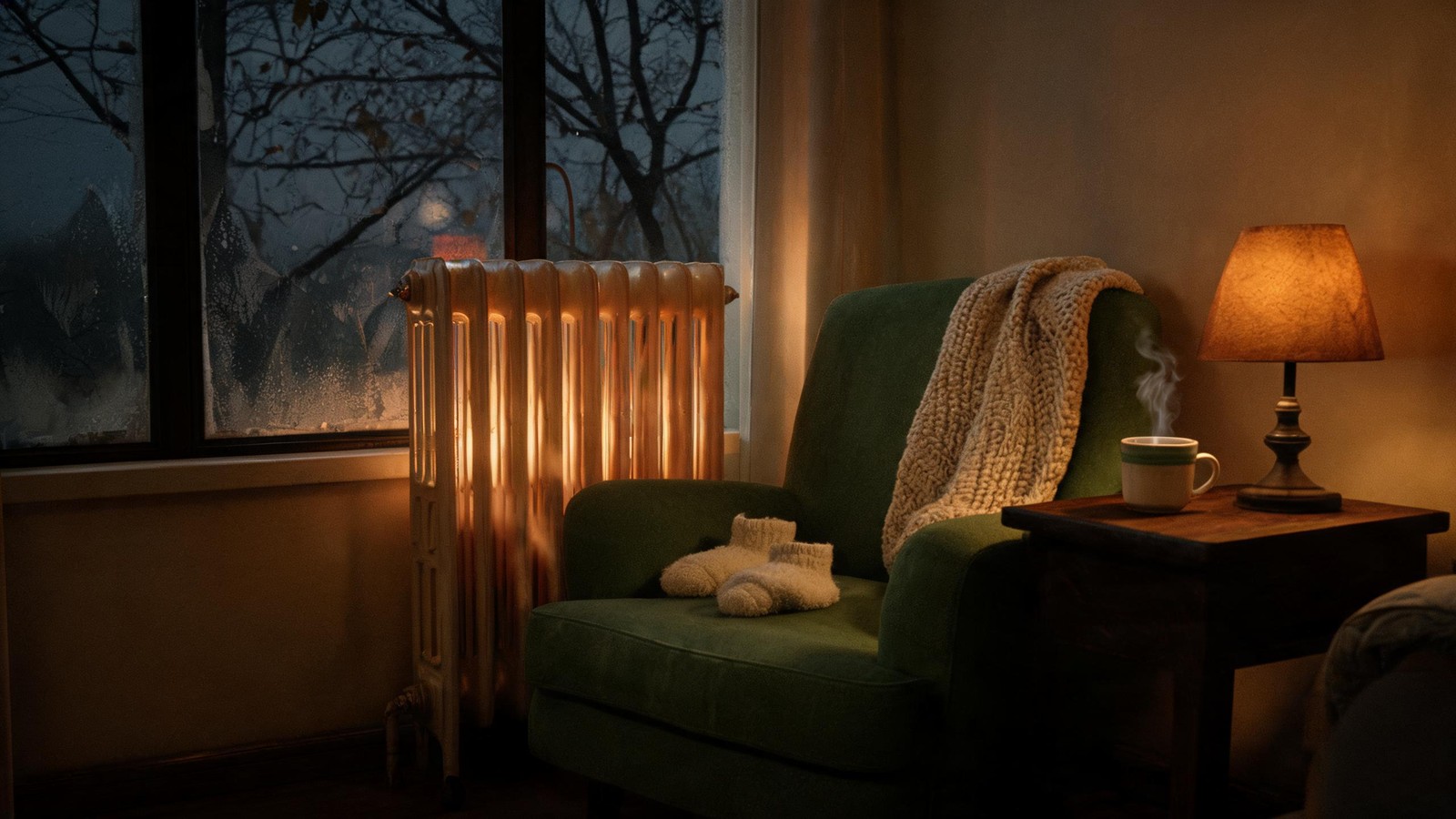
There is no single magic device. Warmth in a Shanghai flat is a layered system: heat the air a little, heat the bed a lot, and pull out the damp. Here is what each piece does and roughly what it costs, so you can build the setup that fits your rooms.
In US dollars, most of this kit is roughly 3 to 89 dollars an item, with a good dehumidifier the one splurge at 60 to 226 dollars. Converted at about 6.7 RMB to the dollar, August 2026, so treat the dollars as a ballpark.
You can order all of it through a shopping app in an afternoon. The one running cost to plan for is electricity: Shanghai residential power is about ¥0.62 (~USD 0.10) a unit, and a reversible AC or oil radiator run through the evening adds roughly ¥150 to ¥400 (~USD 23 to 60) to a monthly bill from December to February, more if you heat several rooms all day. The bed-first approach (an electric mattress pad, a few yuan a month to run) is what keeps that number down. If you are new to that, our guide on using Taobao in English walks through the checkout, and because your winter electricity bill will climb, our guide to paying utility bills in Shanghai shows how to top up before it lapses.

Fighting the damp, not just the cold
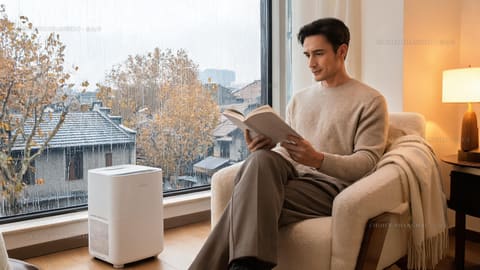
The single change most newcomers underrate is a dehumidifier. Because Shanghai's cold is wet, dropping the humidity in a room makes it feel warmer at the same temperature, keeps the bedding from feeling clammy, and stops mould creeping onto wardrobe walls and leather shoes. Run it in the room you use most, empty the tank daily, and you will feel the difference within a day. Two more cheap wins: keep curtains closed after dark to hold heat at the window, and dry laundry on a rack near a running heater or in a small ventilated room rather than leaving it damp indoors, which pushes the humidity straight back up. A reversible air-conditioner set to heat is the fastest way to raise the air temperature, but it blows warm air at the ceiling and dries your throat, so pair it with an oil radiator at floor level for comfort.
Which setup is for you?
If you are on a tight budget or in a small studio, start with an electric mattress pad and a box of hand warmers, and lean on the air-conditioner you already have. If you work from home, add an oil radiator by your desk and a dehumidifier, which together turn one room into a warm base. If your flat feels genuinely damp, wardrobe-mould damp, make the dehumidifier your first purchase rather than your last. And if you are choosing a flat this autumn, a unit with good sun and modern reversible AC in every room will be warmer all winter than a charming old lane house, something worth weighing while you are still apartment hunting.
As Laozi wrote, 天下难事,必作于易, the hard things of the world are all built out of easy ones. A heatless winter is met the same way, one warm layer, one hot water bottle, one small habit at a time until the cold loses its grip.
Does Shanghai really have no central heating?
Correct. Shanghai sits south of the Qinling-Huaihe line that marks China's state heating zone, so there is no municipal or building-wide heating. Every home heats itself, usually with reversible air-conditioning plus portable heaters, no matter how cold the winter gets.
How cold does it get in Shanghai in winter?
January is the coldest month, generally about 1 to 8°C, with nights near freezing and occasional dips below zero during a cold snap. The damp air makes it feel several degrees colder than the number suggests, which is why indoor warmth matters so much.
What is the cheapest way to stay warm in a Shanghai flat?
An electric mattress pad, about 50 to 200 RMB (~USD 8 to 30), is the cheapest reliable win: it warms the bed you spend the most hours in for very little electricity. Add stick-on hand warmers and a hot-water bottle, and use the reversible air-conditioner you already have on its heat setting.
Do I need a dehumidifier in winter?
If your flat feels damp or the walls sweat, yes. Shanghai's winter cold is wet, and lowering the humidity makes a room feel warmer at the same temperature while preventing mould on clothes, shoes and wardrobe walls. A decent home unit costs about 400 to 1,500 RMB (~USD 60 to 226).
When should I buy winter heating gear in Shanghai?
Buy in late autumn, before the first cold snap in December. Stock is full, prices are steady, and you avoid the scramble when everyone reaches for a heater on the same freezing weekend.