The 年会 is your Chinese company's year-end party, and yes, you will probably be roped into a performance.
The 年会 is your Chinese company's year-end party, held in the weeks before Spring Festival, and yes, you will probably be roped into a performance. Expect a banquet, round-the-table toasts, a lucky draw with real prizes, and a few department skits. Go, join in, and pace the baijiu. It is the single go-to relationship night of your Shanghai work year.
What a Shanghai 年会 actually is, and when it happens
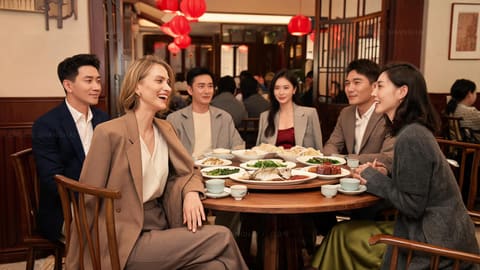
A 年会 (niánhuì) is the annual party a Chinese company throws for its whole staff, almost always in January, in the stretch between New Year and Spring Festival. In Shanghai it usually means a sit-down banquet in a hotel ballroom or a large restaurant, with a host, a year-in-review speech from the boss, group photos, and a run of live entertainment. It is held on paid work time, and simply turning up matters more than anyone will say out loud.
If you have just started at a Shanghai company and are still reading the room, our guide to what working in a Chinese company is actually like covers the hierarchy, the WeChat work groups and the 关系 that the 年会 is built to grease.
The lucky draw, the skits, and the money nobody mentions
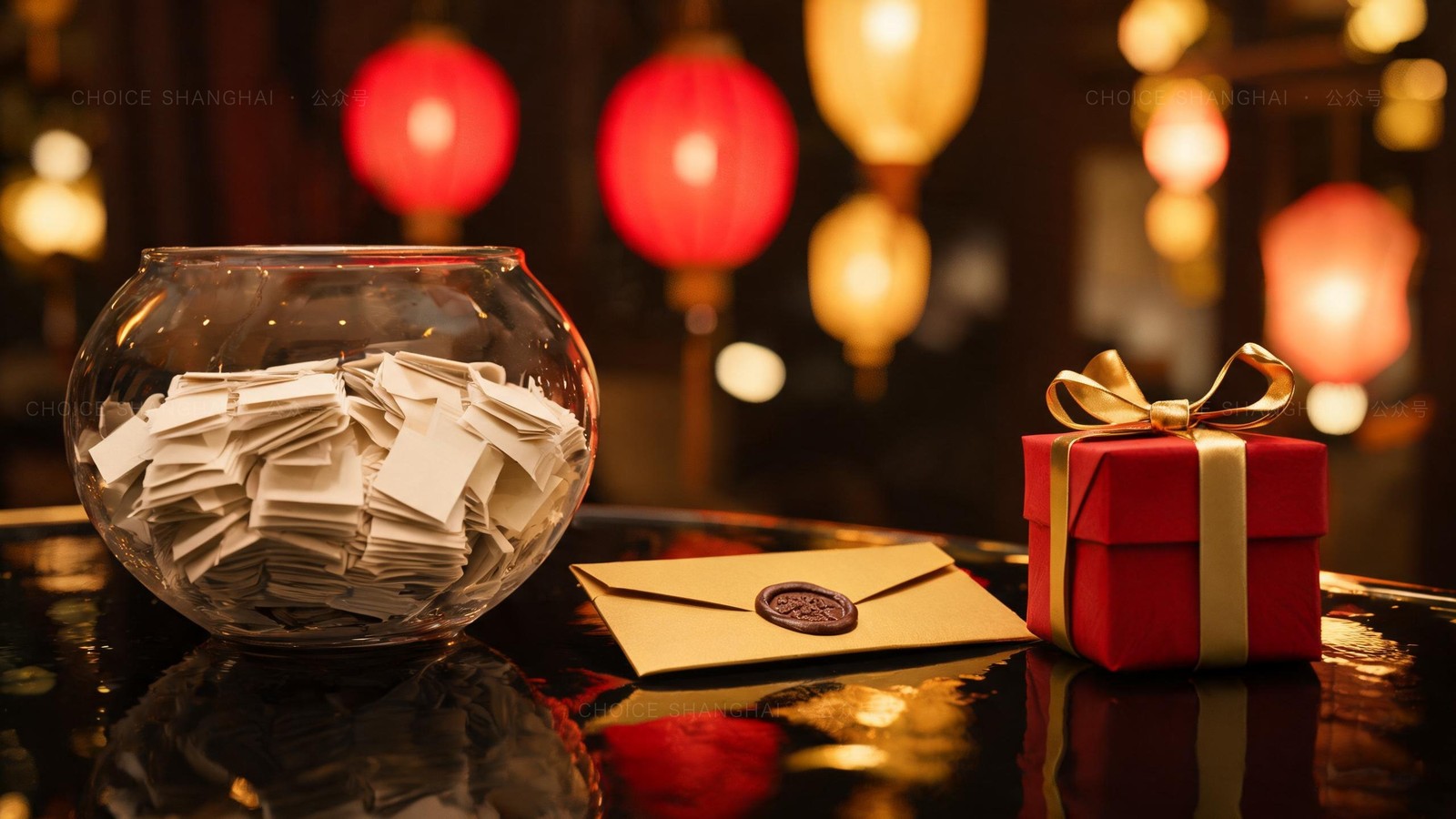
Two things define a Shanghai 年会: the 抽奖 (lucky draw) and the 节目 (performances). The draw is the engine of the night. Everyone holds a numbered ticket, and prizes are pulled live on stage, often building to a grand prize that at a mid-size Shanghai firm can be a new phone or ¥10,000 in cash (about USD 1,500). Do not drift off before it ends; plenty of people have left early and watched their number come up.
The 节目 are the other half. Departments prepare an act, a group dance, a song, a comic sketch, and expats are usually invited, sometimes quietly expected, to take part. The move is to join a group act rather than sweat a solo. A willing but average performance earns far more goodwill than a polished excuse, and it is the fastest way to stop being the office's mystery expat.
A willing but average performance earns far more goodwill than a polished excuse.
Watch your phone, too. Many companies rain WeChat 红包 into the staff group during the party, and they vanish in seconds, so keep the app open. If anyone hands you a physical red envelope, our guide to red envelope amounts in Shanghai explains what is inside and whether you give one back.
The toasting, and how to survive the baijiu
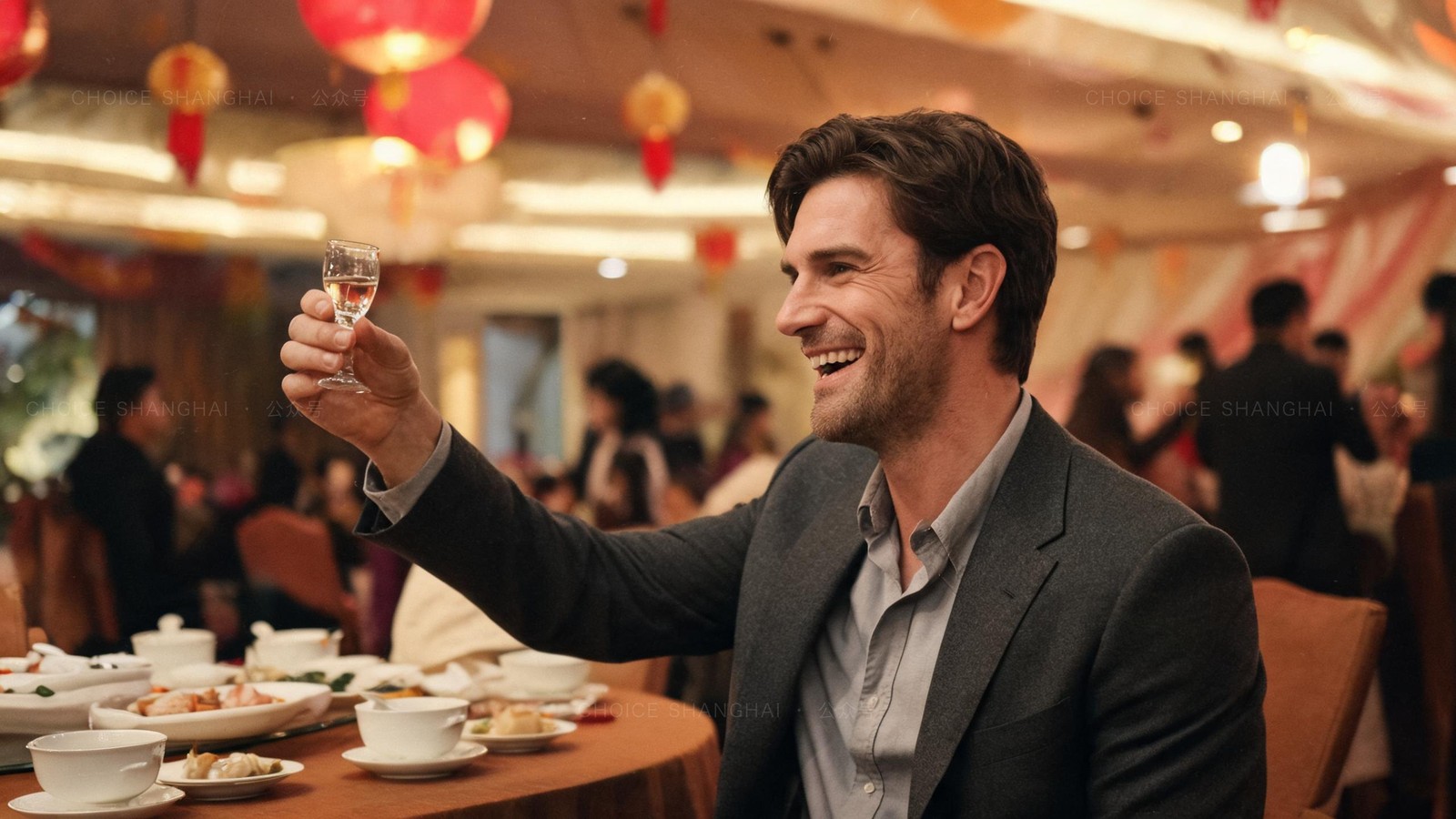
The toast round, 敬酒, is where a Shanghai 年会 tests you. Once the meal settles, tables get up and move around the room clinking glasses, and the leaders' table is the one everyone visits. The drink is often baijiu, poured small and offered often. You do not have to match every 干杯, but you do have to take part with some grace.
Pace it. Sip rather than bottoms-up every round unless you choose to, and know that you can toast with tea or a soft drink and say you are driving or off the drink tonight, which nobody serious will argue with. Toast up the hierarchy: go to the leaders' table, hold your glass a touch lower than theirs when you clink, and a short warm line in Chinese (新年快乐,谢谢您这一年) lands better than any speech. For the full etiquette of a Chinese banquet table, our guide to being invited to a Chinese dinner walks through it.
What to wear, and whether you can skip it
Dress for a Shanghai 年会 is smart but comfortable: for most companies, think what you would wear to a nice dinner, a blazer and shirt or a tidy dress, unless HR sets a theme. Some firms pick a colour (red is common) or tie the dress code to a group skit, and following it reads as being a good sport. If you are new, just ask a colleague what people actually wore last year.
Can you skip it? Technically yes, and it is quietly noted. Unless you are travelling or genuinely cannot make it, go. It is the one night the hierarchy loosens, the boss sings badly, and you turn from a job title into a person your colleagues know. Many teams then roll on to KTV, which is where the real bonding, and the worst singing, happens.
Good to know
- Good for: anyone working at a Chinese company in Shanghai heading into their first 年会 season.
- When: usually January, in the weeks before Spring Festival, which falls on February 6 in 2027.
- What to expect: a banquet, round-the-room toasts, a lucky draw with real prizes, and department performances.
- Make the most of it: join a group act, keep your draw ticket, pace the baijiu, and have WeChat open for the red packets.
Do I have to perform at my company's 年会?
You are often invited and sometimes quietly expected to, but you can almost always join a group act instead of performing solo. A department lip-sync, a group song, or even helping backstage all count. A willing group turn is the low-stress way to take part, and it buys more goodwill than you would guess.
Is attendance at a Chinese company 年会 mandatory?
It is rarely written as compulsory, but it is strongly expected, held on paid work time, and your absence is noticed. Unless you are travelling or unwell, go. It is the main relationship-building night of the year, and quietly skipping it sets you apart in a way that lingers.
Do I have to drink baijiu at the 年会?
No. You can toast with tea, a soft drink or a small sip and say you are not drinking tonight, and nobody serious will push. Taking part in the toast round matters far more than how much you actually drink. Pace yourself, go to the leaders' table early, and you will be fine.
What should I wear to a Chinese company annual party?
Smart but comfortable: a blazer and shirt, or a tidy dress, the kind of thing you would wear to a nice dinner out. If HR announces a theme or a colour, red is the usual one, follow it. When you are unsure, ask a colleague what people wore to last year's 年会.
When is the 年会 usually held in Shanghai?
Most Shanghai companies hold the 年会 in January, in the weeks before Spring Festival. For the 2026 to 2027 season, with Chinese New Year around February 6, 2027, expect invitations to land from late December onward. Smaller firms sometimes wait until the final working week before the holiday.
As the Analects has it, 礼之用,和为贵, in the use of ritual, harmony is what counts. The 年会 is exactly that, a night of ceremony whose whole point is that everyone walks out a little closer than they walked in.
Words, maps and research by the Choice Shanghai team. Please credit us and tag our 公众号 if you share.