For partying in Shanghai, pick a lane: Xuhui’s cocktail bars, the clubs near Found 158, or a live house, then know how tables and cover charges work before you go.
Good to know
- Good for: knowing which lane your night belongs to, and not wasting hours mixing them
- What you'll pay: cocktails in the Xuhui bars typically run 90 to 140 RMB; on the Bund they climb past 150 for the view
- Make the most of it: pick one lane for the night, bar-then-bar-then-bed, or live-house-then-club-then-noodles, but not all of it at once
The honest shape of a Shanghai night
A Shanghai night has a rhythm, and once you feel it you stop wasting hours. Bars open around six but don't fill until nine or ten. Clubs are irrelevant before midnight and only find their gear between one and three. Live houses ignore all of this and run on printed set times, doors at eight or nine, headliner by ten thirty, done by midnight so the venue can flip to a DJ or send you home. Then there's the fourth mode, the one nobody plans and everyone needs: the late-night food that catches you on the way out.
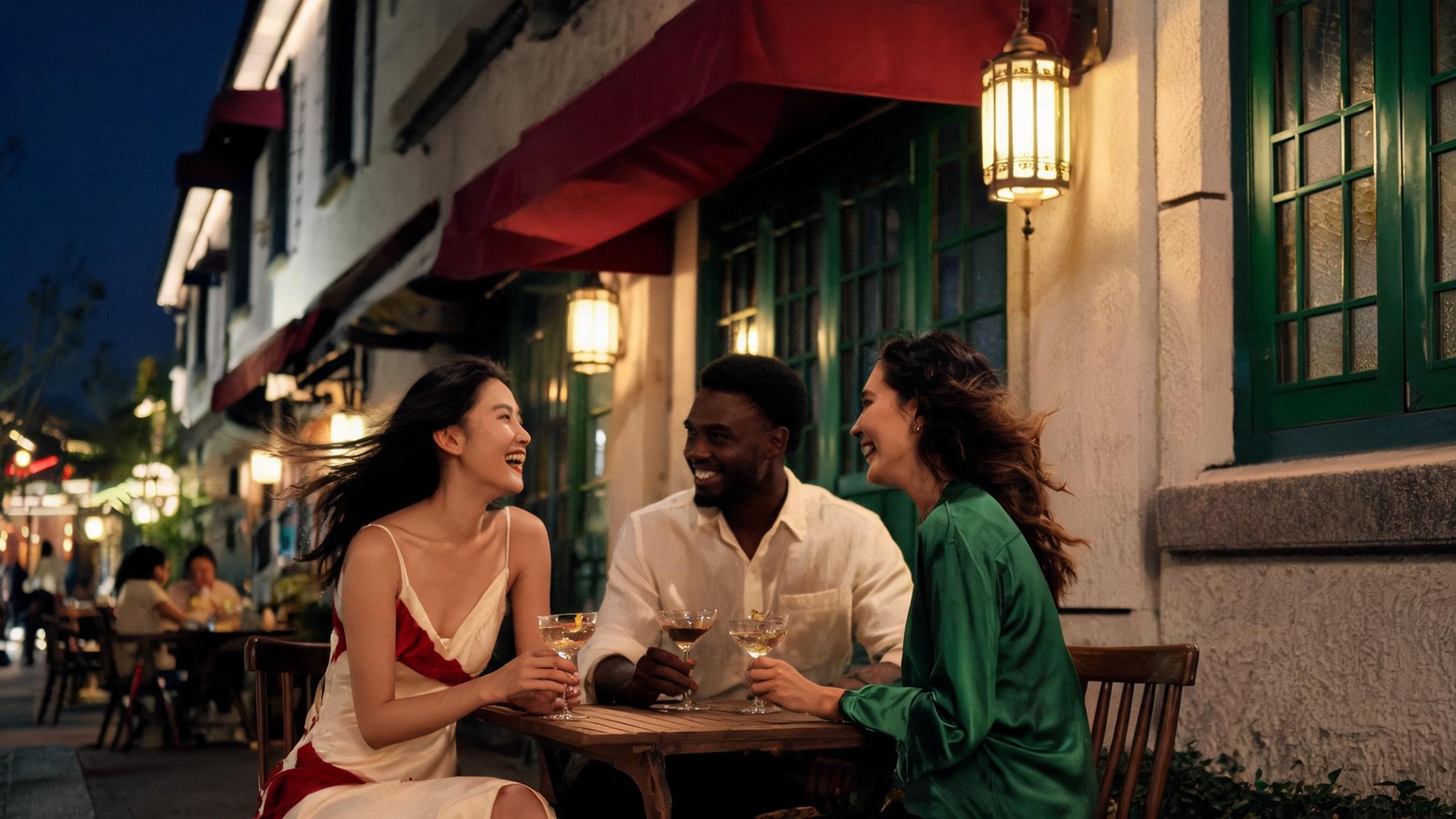
Most visitors try to do two of these in one night and end up doing none of them well. Pick a lane. A civilised night is bar then bar then bed. A big night is live house then club then noodles. The mistake is treating a club like a bar, standing around a bottle nobody ordered, wondering why you're not having fun. You're not having fun because you're in the wrong lane.
Nightlife by neighbourhood
Shanghai's night is not spread evenly. Four or five pockets carry almost all of it, and knowing which crowd lands where saves you a cross-city Didi at 2am.
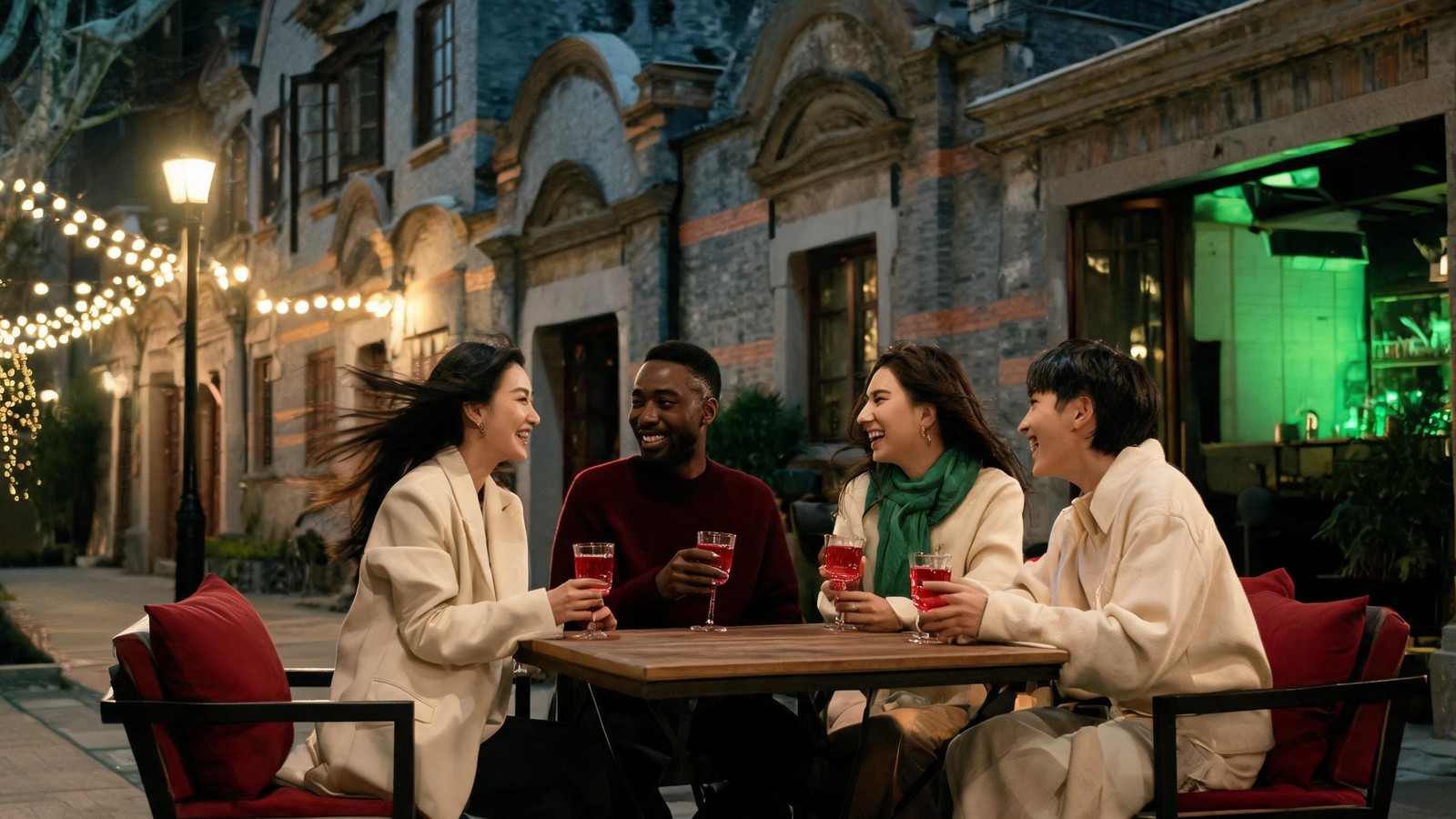
Xuhui's plane-tree streets, the default yes
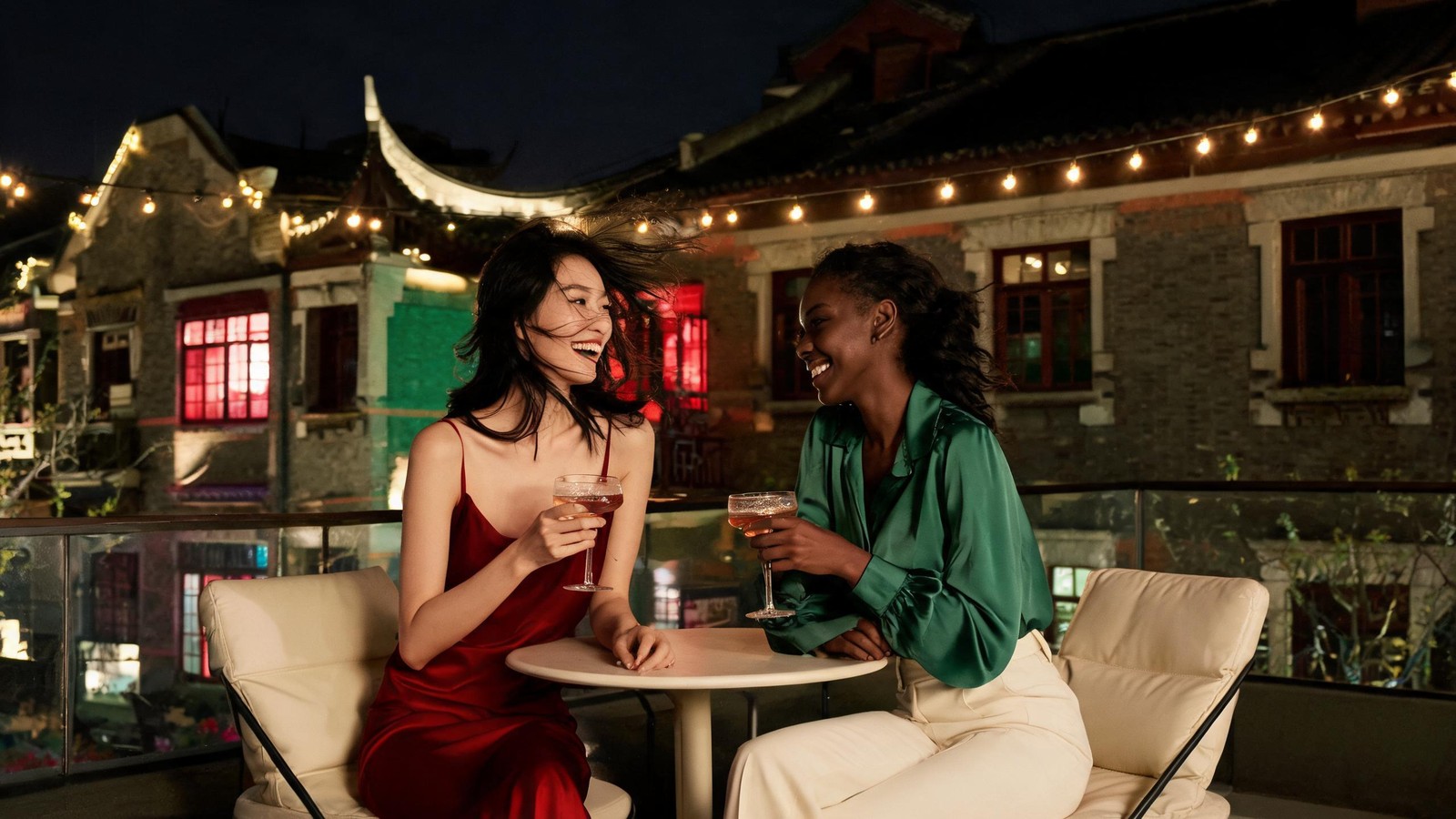
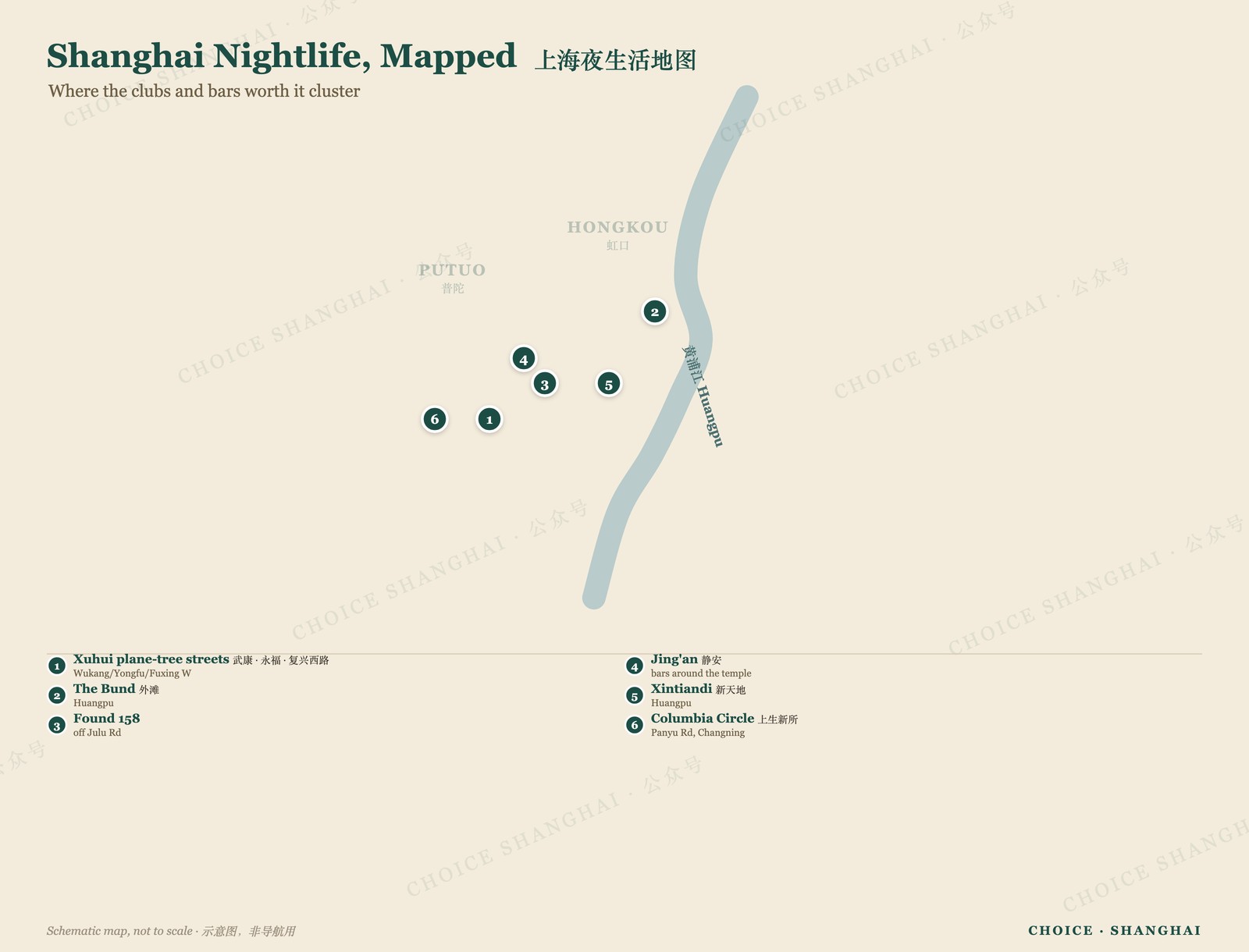
If you only learn one area, learn this one. The leafy grid around Yongfu Road, Fuxing Road West and Wukang Road (Metro Line 10 or 1 to Shanghai Library or Changshu Road) is where the good cocktail bars, the low-key wine spots and the pick of the speakeasy scene sit within stumbling distance of each other. Cocktails run 90 to 140 RMB, the rooms are dark and small, and nobody is trying to sell you a table. This is where locals who've stopped chasing hype actually drink. For the properly hidden door-behind-a-fridge places, Choice keeps a separate speakeasy guide, and a rooftop-bars guide for when you want a view with the gin.
The Bund, glossy and mostly for the photo
The Bund does exactly one thing brilliantly: the skyline across the river, seen from a rooftop with a drink in hand. As a night out, it's a tax. Cocktails climb past 150 RMB, the crowd is heavy on tourists and corporate tables, and the famous names trade on a reputation that peaked years ago. Go once for the view, take the photo, then head back to Xuhui's tree-lined lanes. Anyone insisting the Bund is where the night lives is selling something.
Found 158 and Julu Road, the pit
Found 158 is a sunken plaza off Julu Road (nearest metros South Shaanxi Road or Changshu Road) that was, from about 2016 to 2021, the stacked-bar-and-club pit where a Tuesday turned into a mistake. Be honest with yourself before you go: it has faded a lot since then. Many of the original clubs have closed and the late-night crowd has drifted to newer rooms, leaving a handful of restaurants and bars around the courtyard and the odd festival weekend. Still worth a wander for the format and a drink, but it is a faded landmark now, not the hub it was.
Jing'an, Xintiandi and the rest
Jing'an (Line 2 or 7) is the after-work drink, the hotel bar, the polished date. Xintiandi is beautiful, expensive and reliably full of people on expense accounts; fine for a first drink, wrong for a real night. Columbia Circle and the Panyu Road stretch have quietly become a solid evening for food-then-drinks without the crush.
Clubs, and how the table game actually works
Here is the thing about Shanghai clubbing that no one explains to newcomers: it runs on tables, not the dance floor. The dance floor is often small and half the room is seated around bottles. A table means a minimum spend, usually 1,500 to 3,000 RMB at a mid club and 5,000 and up at the flashy ones, paid in bottles you probably don't need. Women frequently get in free and sometimes drink free early; men without a table can find themselves paying a cover or quietly steered toward buying one.
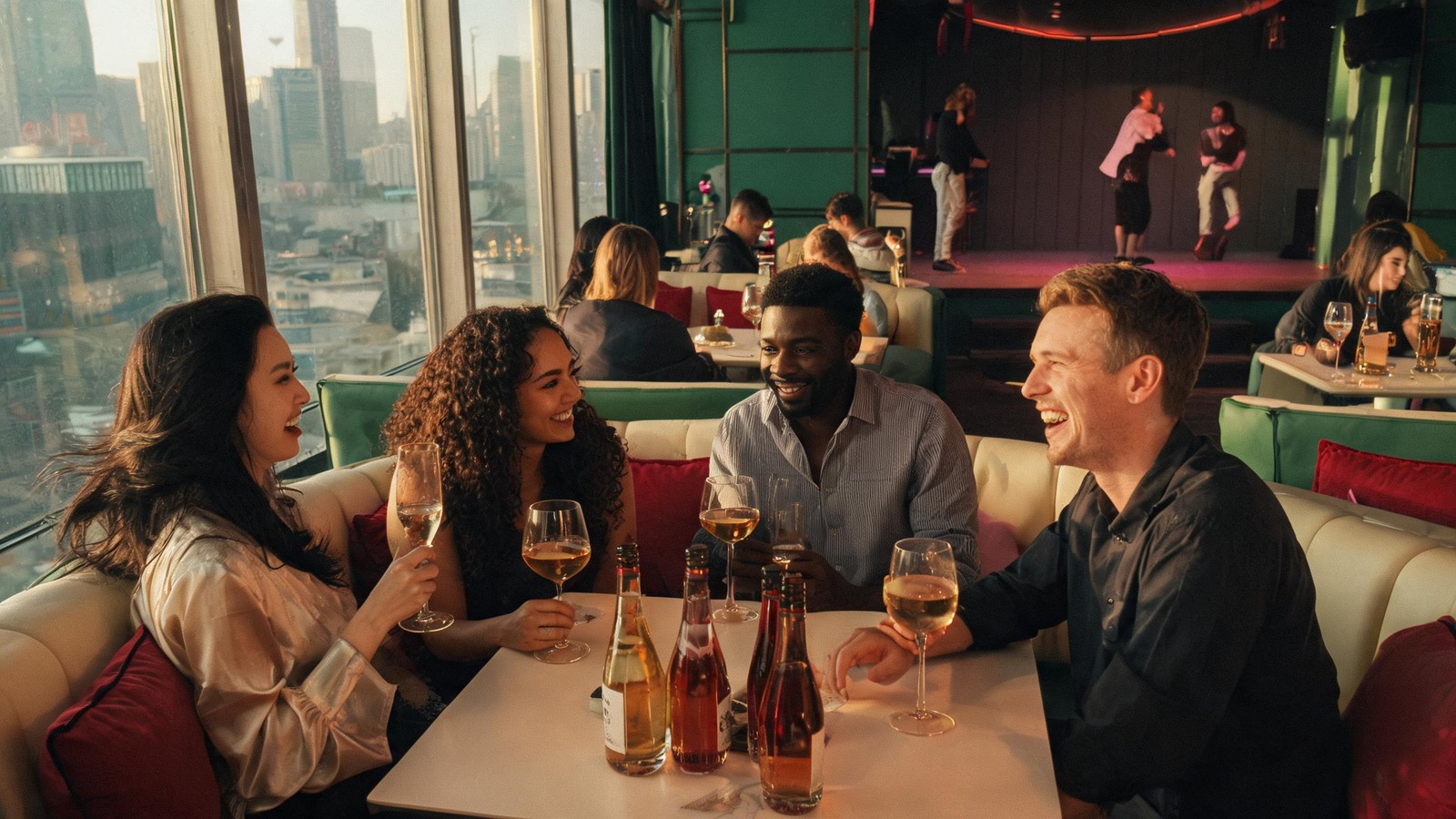
Promoters are everyone's fixer. A good one gets you a table at a fair minimum, guest-list entry, and a heads-up on which night is actually busy. A bad one gets you a marked-up bottle and a bill you didn't agree to. If a stranger outside a Bund venue is very keen to walk you in, that's the bad kind. The genuinely good rooms are worth the ritual; the traps are the ones where the music is an afterthought to the bottle sparklers.
- Free before, minimum after: arrive before midnight and you'll often skip the cover; arrive at 1am and expect to spend to sit.
- Bring cash sense, pay by phone: everything runs on WeChat Pay or Alipay, but know your minimum before the bottle lands.
- The crowd is the venue: the same room can be electric on Saturday and dead on Thursday. Ask a promoter which night, not which club.
Live music, the part Shanghai does quietly well
If you want the night you'll still be talking about next month, go to a live house. Shanghai's independent scene is small, stubborn and genuinely good, spread across a handful of rooms that put on indie, punk, hip-hop and electronic acts most nights of the week. Tickets run 80 to 200 RMB, doors are early, and you're in bed by one if you want to be. This is also the most welcoming corner of the scene for someone new in town and drinking alone.
Indie live houses
These are the sweaty, low-ceilinged rooms where local bands and touring acts play to a few hundred people who actually came for the music. Check listings a week out, because the good shows sell through.
Techno and the underground
Shanghai's electronic scene is deeper than its clubs suggest. There's a circuit of smaller rooms and warehouse-style nights built around techno and house, run by people who care about the booth more than the bottle. The vibe is dark, the sets are long, and nobody's filming.
Jazz
Jazz here ranges from the tourist institution with the old band playing standards for a room of cameras, to small serious rooms where the playing is the point. The famous hotel band is worth seeing once for the history, but it's a museum piece, not a night out.
Late-night: where the night actually goes
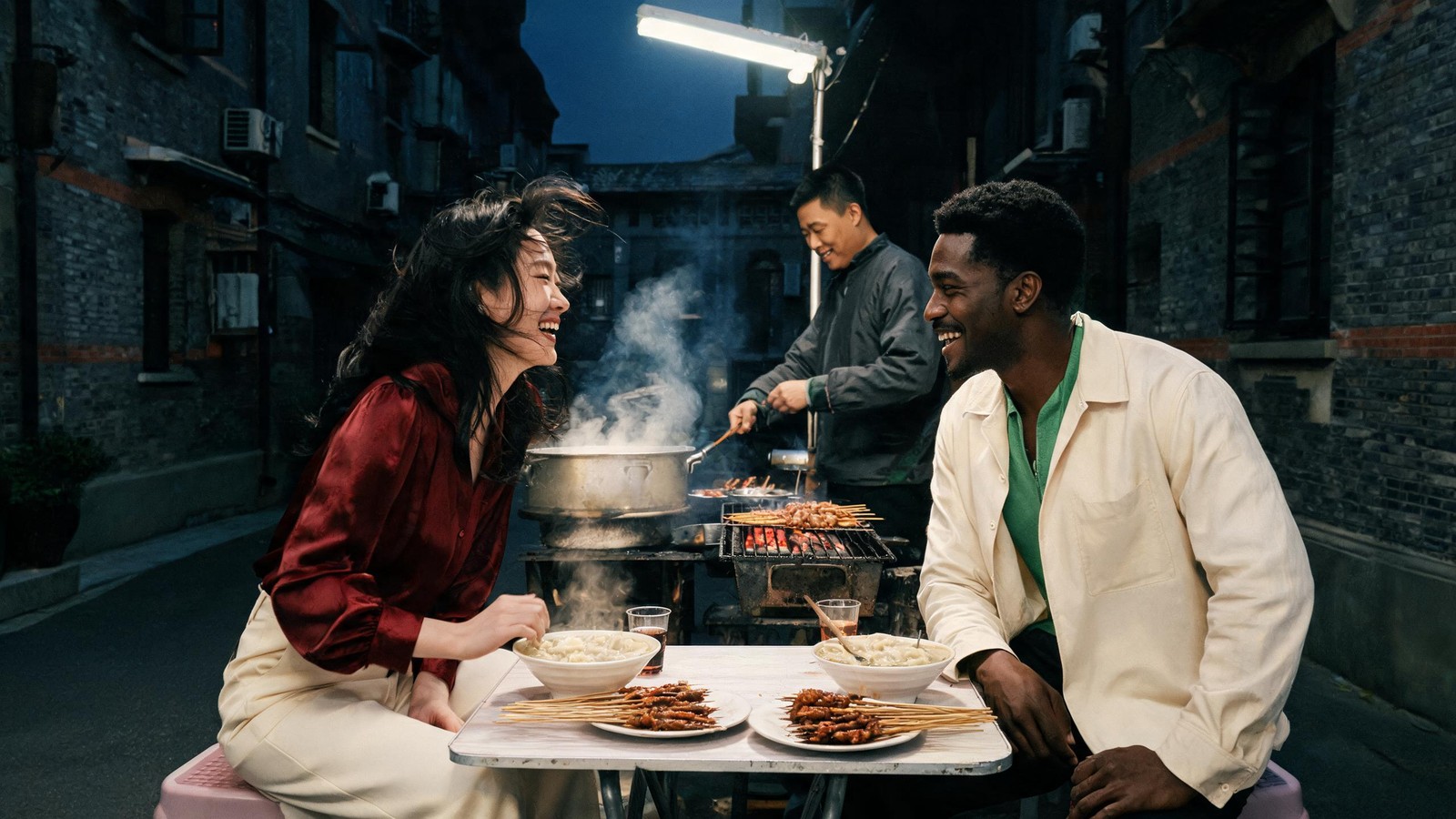
The truest part of a Shanghai night happens after the last venue, under fluorescent light, over something hot. This is the city at its most honest: chuan'r skewers off a grill, a bowl of wontons, malatang assembled at 3am, or the reliable last resort of a FamilyMart onigiri and a can of something cold. The kitchens that stay open late are their own map, and every regular has a spot they'd defend.
Getting home without the drama
Shanghai is one of the safer big cities to be out in late, and the practical worries are logistics, not danger. Two rules keep the end of the night clean.
- Mind the last metro. Most lines run their final trains between roughly 10:30 and 11:15pm, so if you're mid-evening and thinking of the subway home, you've usually already missed it. Check your specific line before you commit.
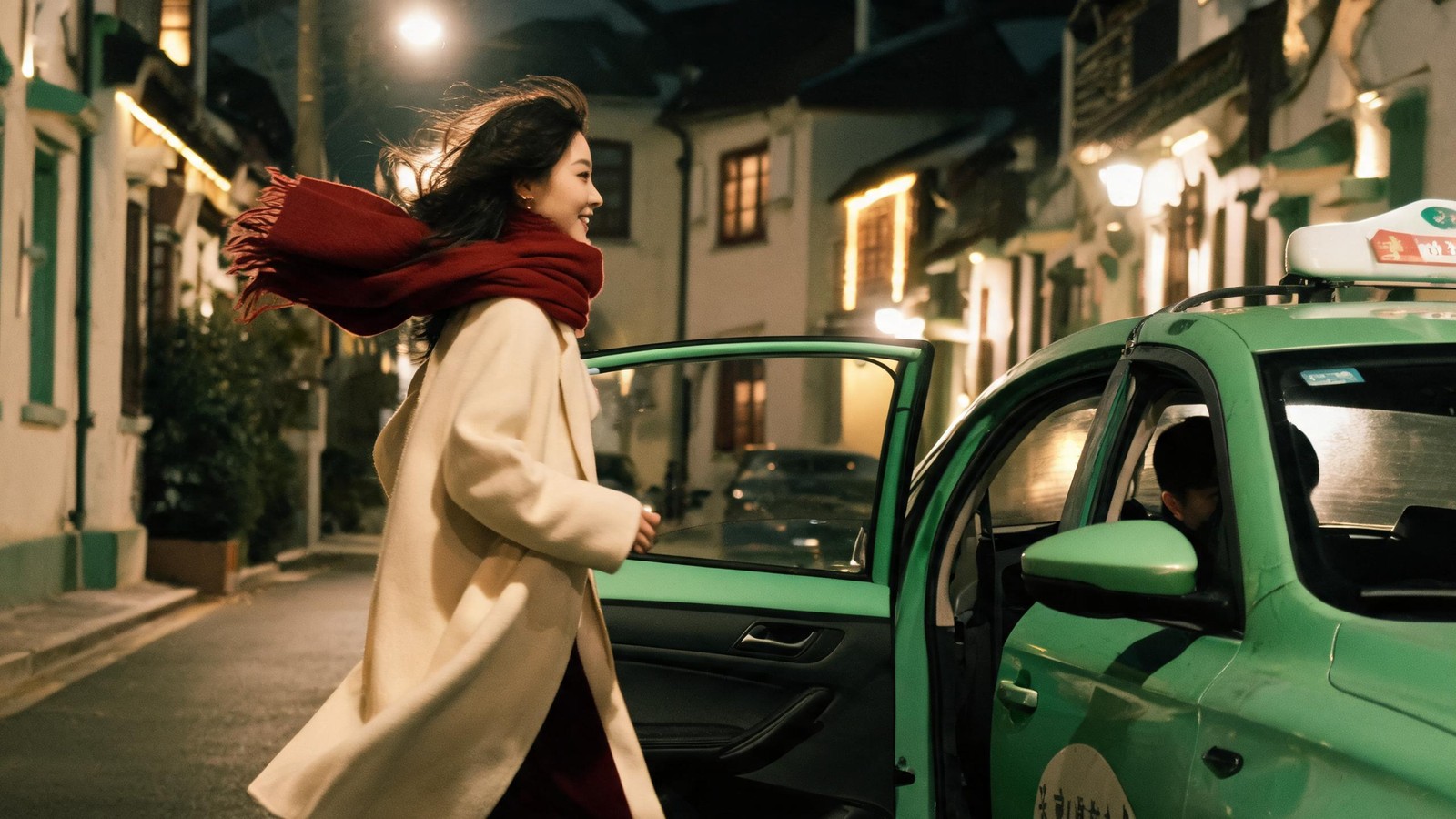
- Didi is your friend, in English. DiDi has an English-language option and also lives inside the Alipay mini-programs, so you don't need a Chinese bank card to ride. A cross-town trip after midnight runs roughly 40 to 90 RMB with late surcharge, more in the rain or at closing time when everyone orders at once. Save your pins for home and your hotel in advance.
A few habits that make the night easier: keep your phone charged (Shanghai runs on it, from payment to the ride home), share your live location with a friend if you're out solo, and don't accept a lift or a walk-in from an over-eager promoter. Tap water isn't for drinking, but the tap-in metro card and a charged phone are all the infrastructure you actually need.
FAQ
What's a standout area for nightlife in Shanghai?
Xuhui's plane-tree streets, hands down, for bars and a real night out; the lanes around Yongfu Road and Wukang Lu near Metro Line 10 and 1. The Bund is for the view and one drink, not the whole night. Found 158 off Julu Road was the messy stacked-club plaza, though it has faded since its peak and is a quieter handful of bars now.
Do Shanghai clubs charge a cover, and is it free for women?
Many clubs are free to enter before midnight, and women frequently get in free and sometimes drink free early in the night. The real cost is the table minimum, typically 1,500 to 3,000 RMB at a mid-tier club and much more at the flashy ones, paid in bottles. Arrive early and you can often avoid paying anything to get in.
How do I get home after the metro stops?
Use Didi. The metro's last trains run between roughly 10:30 and 11:15pm depending on the line, so late nights end with a car. DiDi works in English and through Alipay without a Chinese bank card, and a cross-town ride after midnight runs about 40 to 90 RMB, more at closing time and in bad weather.
Is Shanghai nightlife safe for visitors and solo travellers?
Yes, broadly. Violent trouble is rare and the city is comfortable to be out in late, including alone. The sensible cautions are ordinary ones: watch your tab and your table minimum at clubs, ignore pushy street promoters, keep your phone charged for payment and your ride, and book your own Didi rather than accepting a stranger's offer of a lift.
Where should I go for partying in Shanghai?
For a messy club night the scene has moved on from Found 158, which has faded; ask a promoter which room is busy that week. For cocktail bars, head to Xuhui's plane-tree streets around Yongfu Road and Wukang Lu. Live houses run on set times and are done by midnight.
Laozi wrote 知人者智,自知者明, to know others is wisdom and to know yourself is clarity; the room that is worth it is the one that matches the night you actually wanted, not the one the queue promised.