
A single person lives comfortably in Shanghai on about 13,000 to 20,000 RMB a month in 2026, with rent taking 6,000 to 10,000 of that in Jing'an or Xuhui.
A single person lives comfortably in Shanghai on about 13,000 to 20,000 RMB a month in 2026, with rent taking 6,000 to 10,000 of that in Jing'an or Xuhui. Live further out, cook more, and 7,500 to 12,000 is realistic. Corporate-package living runs 23,000 to 42,000. Rent is the only line that really moves the total.
Search this question and you get answers ranging from "live on rice and dreams for 4,000" to "budget 45,000 or do not bother." Neither helps. After eight years of actual spreadsheets, here is what the city costs. You can eat a filling lunch for 15 RMB from a window on the street, or spend 1,500 on a tasting menu that evening. Both are Shanghai. What follows is the middle: someone who eats well, goes out, and is not trying to recreate Manhattan with better dumplings.
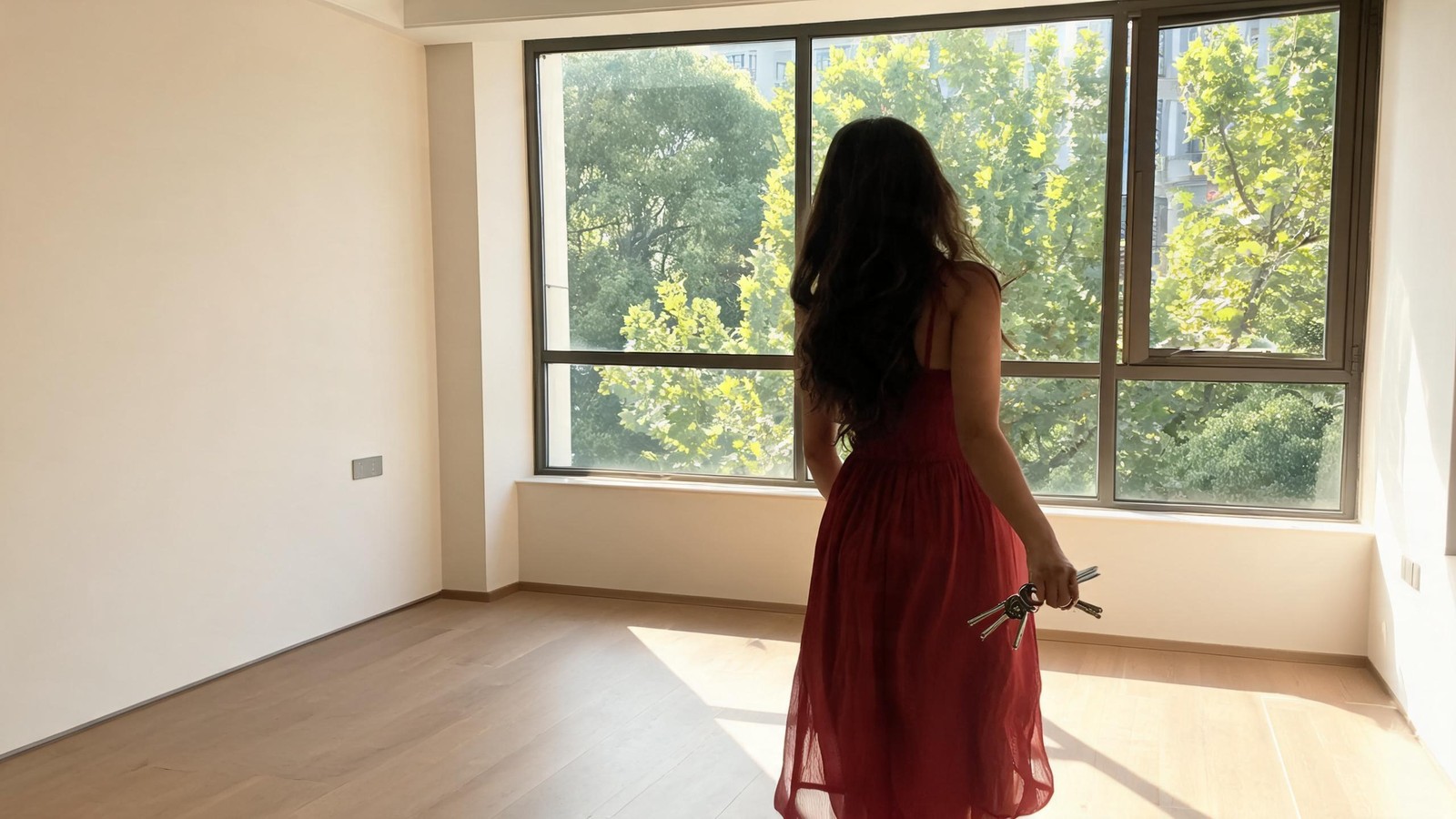
How much is rent in Shanghai?
Rent is where your lifestyle decision lives. A one-bedroom in Jing'an, Xuhui or along the Huangpu riverfront runs 6,000 to 10,000 RMB a month. The same flat in Putuo, Changning or Minhang is 3,500 to 5,500 and a longer commute. Serviced apartments start around 12,000, convenience premium included.
Sharing is common and smart: a private room in a central flat is 3,000 to 5,000, and you buy the location without the solo rent. Budget for the entry fee, though. Most leases are a year with two months' deposit and one month's agent fee, so moving in costs roughly four months' rent in one go. That, not the monthly figure, is what catches people. Our guide to renting without getting burned covers the deposit traps.

What do food and groceries cost?
Food is where Shanghai gets interesting: you can eat remarkably well for very little, or spend a fortune without noticing.
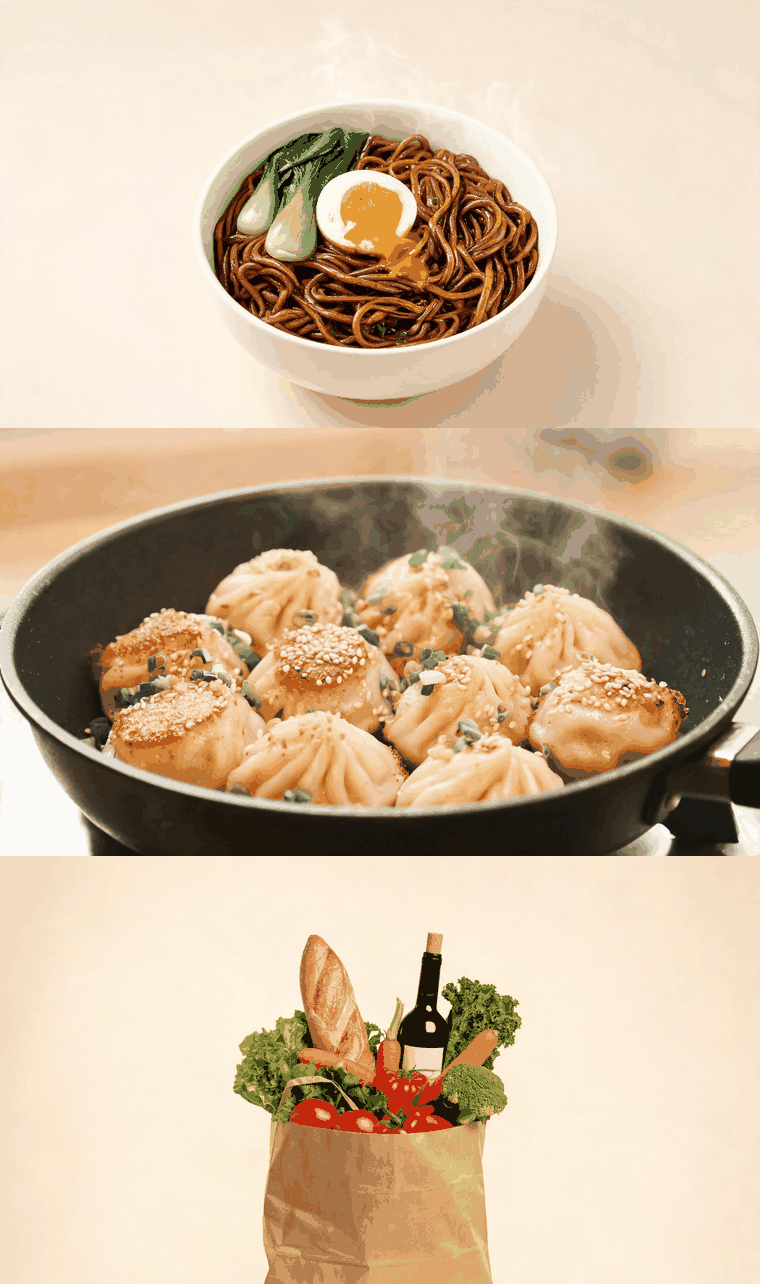
- Local restaurants. Noodles, fried rice, a set of shengjianbao: 15 to 30 RMB. Eat local every weekday and lunch costs 400 to 600 a month.
- Groceries. 2,000 to 3,500 a month for one person across Hema, the wet market and the occasional Sam's Club run. Add 500 to 1,000 for imported cheese and wine. Everyone says they will not. Everyone does. Our Western groceries guide says where.
- Eating out. 80 to 200 RMB a head at a mid-range place, cocktails 60 to 100 each (our night-out cost breakdown has the full range). Four dinners with drinks quietly adds 2,000 to 3,000. This is the category where budgets go to die, though the set lunch trick buys you the same kitchens for a third.
How much does transport cost?
Almost comically little. The metro is 3 to 9 RMB a ride across more than 20 lines, a shared bike is 1.5 for half an hour, and a Didi across town rarely passes 50. Metro to work plus Didi at night comes to 400 to 600 a month; Didi everywhere, because the metro is for people with more patience than you, runs 1,000 to 1,500. Either way transport never breaks a budget here. The full picture is in getting around Shanghai without a car.
The real monthly breakdown
Three realistic budgets, from actual spending rather than a relocation brochure.
Comfortable is a good flat slightly further out, cooking most nights, metro, weekends out. Not a sacrifice, just how plenty of people who have been here a few years actually live. Mid-range is the sweet spot: walkable neighbourhood, dinner out several times a week, Didi home after cocktails. Premium is serviced apartments and imported everything, usually a corporate package. Comfortable, certainly, but not what enjoying this city requires.
Which one is for you 哪个适合你
If you are on a local salary, plan for the comfortable column and treat anything above it as a choice. If housing is covered by a package, ignore the headline figure and look only at food, social and travel. If you are deciding whether Shanghai is affordable at all, compare the mid-range total against your rent back home, not against another expat's Instagram. And if you are here under a year, share a flat: that four-month move-in cost is the most avoidable money on this page.
The costs nobody warns you about

- Coffee. A daily latte from Manner or M Stand is 15 to 30 RMB. Twenty across thirty days is 600 a month on coffee alone. You are not immune. I was not immune. Our coffee guide at least makes it worth it.
- Taobao. Delivery is so fast you buy things you did not know you needed: a phone stand, a second umbrella, a lamp that changes colour. Budget 500 to 2,000 a month for small brown boxes, and read how to use Taobao in English first.
- Gym. Smart gyms like Lefit start at 99 a month; boutique studios run 500 to 1,500. Prices are mapped in our gyms guide.
- Health insurance. 800 to 3,000 a month privately if your employer does not cover it. Many go without and pay cash at public hospitals, which is affordable but needs patience and some Mandarin. Compare in our insurance guide.
- Connectivity. Whatever you use to reach the services you had at home, 60 to 100 a month. Small line, easily forgotten.
- Tax. Your take-home is not your salary. Income tax and the six-year rule are in our tax guide, with social insurance on top.
The bottom line
Shanghai is expensive by Chinese standards, affordable by global-city standards, and endlessly adjustable. The variable is not income, it is awareness: once you know where the value sits, which is local food, the metro, shared bikes and the wet market, costs stay reasonable without feeling like restraint. Aim for mid-range, cook more than you think you will, learn to love the metro, and accept the coffee habit as a fixed cost. Every figure here is also tracked quarterly, in public, on our Shanghai International Cost Index.
For a sense of where that sits globally, Mercer’s 2024 cost-of-living survey ranked Shanghai around 23rd of 226 cities, below New York (7th) and London (8th) and just above Beijing (about 25th). In plain terms, Shanghai costs less than the big Western hubs and a little more than most of mainland China. The dollar baskets behind that ranking are subscription-only, so treat it as a position, not a price.
Does this change for a couple or a family?
Yes, though not by as much as you might fear. Two people sharing one flat split the biggest line, rent, so a couple often lives on less per head than a single person does. Budget roughly 18,000 to 25,000 RMB a month for a couple sharing a one or two-bedroom flat who cook at home more than they eat out. A family with a child adds the two costs that dwarf everything else: international school fees, which run from about 150,000 RMB a year at the lower end well into the hundreds of thousands, and a larger apartment near that school. Everything else on this page scales gently. Those two do not, and they are what turn a comfortable single salary into a tight family one.
As Laozi wrote, 知足者富, he who knows he has enough is already rich. The figure that matters is not the one that impresses anyone at dinner, it is the one that lets you close the banking app and enjoy the meal.
How much does it cost to live in Shanghai as an expat in 2026?
A comfortable mid-range life runs 13,000 to 20,000 RMB a month for one person, covering a decent one-bedroom, eating out several times a week, transport and a social life. Living frugally, 7,500 to 12,000 is realistic.
How much is rent in Shanghai for expats?
A one-bedroom in Jing'an or Xuhui costs 6,000 to 10,000 RMB a month. Outer districts such as Putuo or Minhang run 3,500 to 5,500. A private room in a shared central flat is 3,000 to 5,000.
Is Shanghai expensive compared to other cities?
It is the priciest city in mainland China and considerably cheaper than London, New York, Tokyo or Singapore. Rent is the big expense; food and transport stay cheap if you eat local and use the metro.
Can you live in Shanghai on 10,000 RMB a month?
Yes, comfortably, if rent stays near 3,500 to 5,500. That means an outer district or a shared flat, cooking most nights and using the metro. A normal way to live here, not a hardship budget.
What is the hidden cost of moving into a Shanghai apartment?
The first month. Two months' deposit plus one month's agent fee on top of the first month's rent means about four months' rent to get the keys, which is the most common budgeting shock for new arrivals.