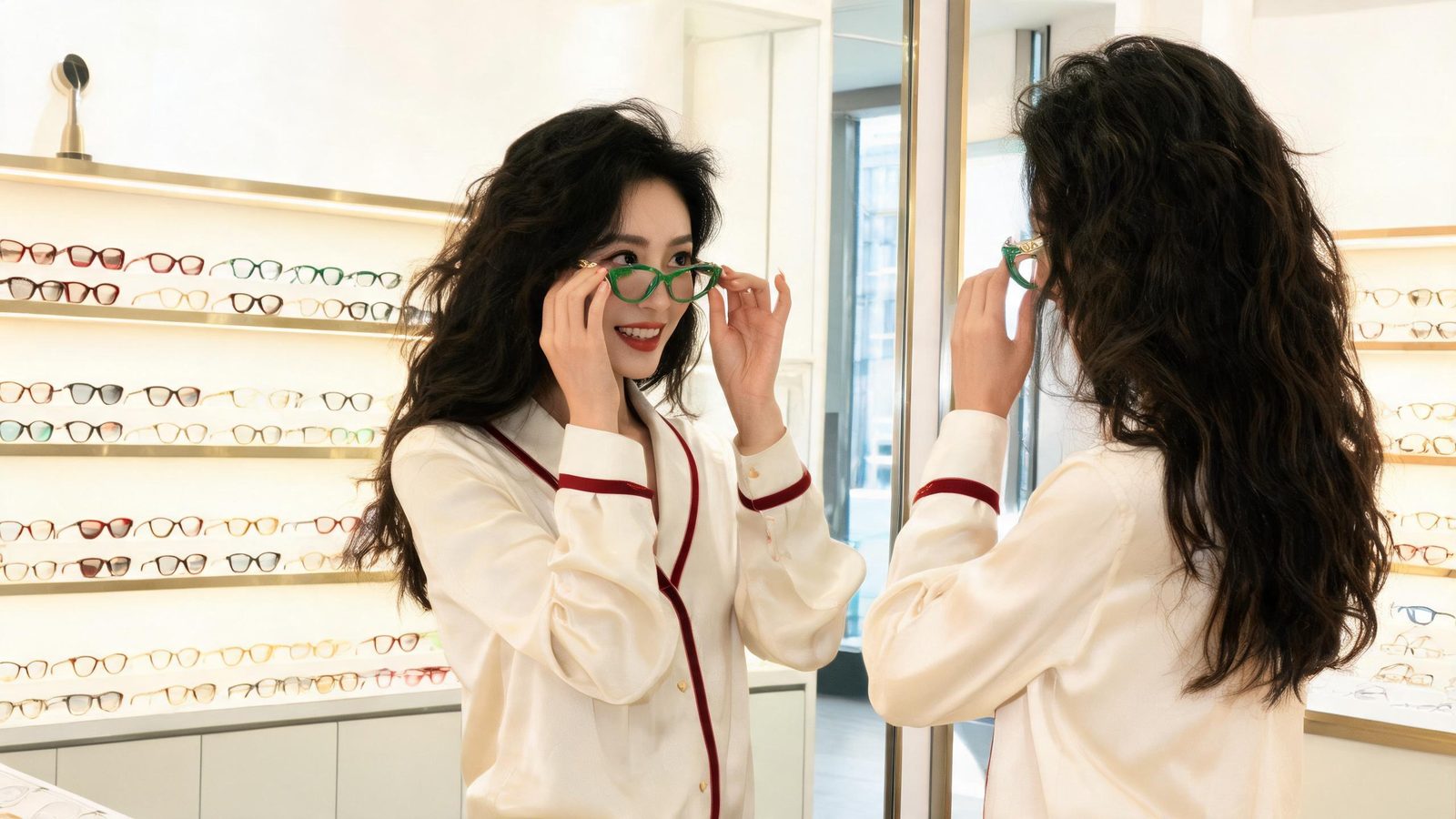
A full pair of prescription glasses in Shanghai usually costs 300 to 800 RMB, no appointment or prescription needed. Here is where to go and what to check before you pay.
The short version. Glasses in Shanghai are cheap and quick. A full pair of prescription glasses runs about 300 to 800 RMB (about US$45 to US$120), frame and lenses included, and you rarely need a prescription or an appointment. Optical shops do the eye test on the spot, often free, and can have single-vision pairs ready the same day. English is easy at the bigger optical malls and chains.
Good to know
- Good for: a cheap spare pair, prescription sunglasses, or finally sorting the squint you have ignored for a year.
- What you'll pay: about 300 to 800 RMB for a complete mid-range pair, less at the markets, more for designer frames or high-index and progressive lenses.
- Make the most of it: ask for your full written prescription with your pupillary distance, so you can reorder cheaply online later.
One of the small joys of living in Shanghai is discovering that the thing that cost you a small fortune back home is suddenly, almost suspiciously, affordable. Glasses are the classic example. Friends fly in and leave with three pairs. If you wear glasses or have been squinting at your laptop for a year telling yourself you will "sort it out eventually," here is how getting an eye exam and new glasses actually works here, what it costs, and where English is easy.
How much do glasses cost in Shanghai?
A complete pair of prescription glasses from a mid-range optical shop in Shanghai typically runs about 300 to 800 RMB (about US$45 to US$120), frame and lenses included, with simple pairs cheaper and premium designer frames or high-index and progressive lenses costing more. Compared with what many of us paid at home, that is a genuine relief rather than a splurge. The eye exam itself is often free when you buy glasses at the same shop, or costs a small fee at a hospital eye department.
The range is wide because it depends on three things: the frame brand, the lens quality and coatings, and where you shop. A no-name frame with standard lenses can be well under 300 RMB (about US$45), while a Japanese or European designer frame with thin high-index lenses climbs past 1,000 (about US$150). The point is you get to choose, and even the nicer end is reasonable.
Do I need a prescription or an appointment?
No. You do not need a doctor's prescription or a prior appointment to buy prescription glasses in Shanghai. Optical shops do the refraction test (验光) on the spot for free or a small charge, then make the glasses. Walk in, get your eyes measured, choose frames, and in many cases collect the finished glasses the same day or the next. If you already have a recent prescription from home, bring it and they will use it, though most shops will happily re-test to be sure.
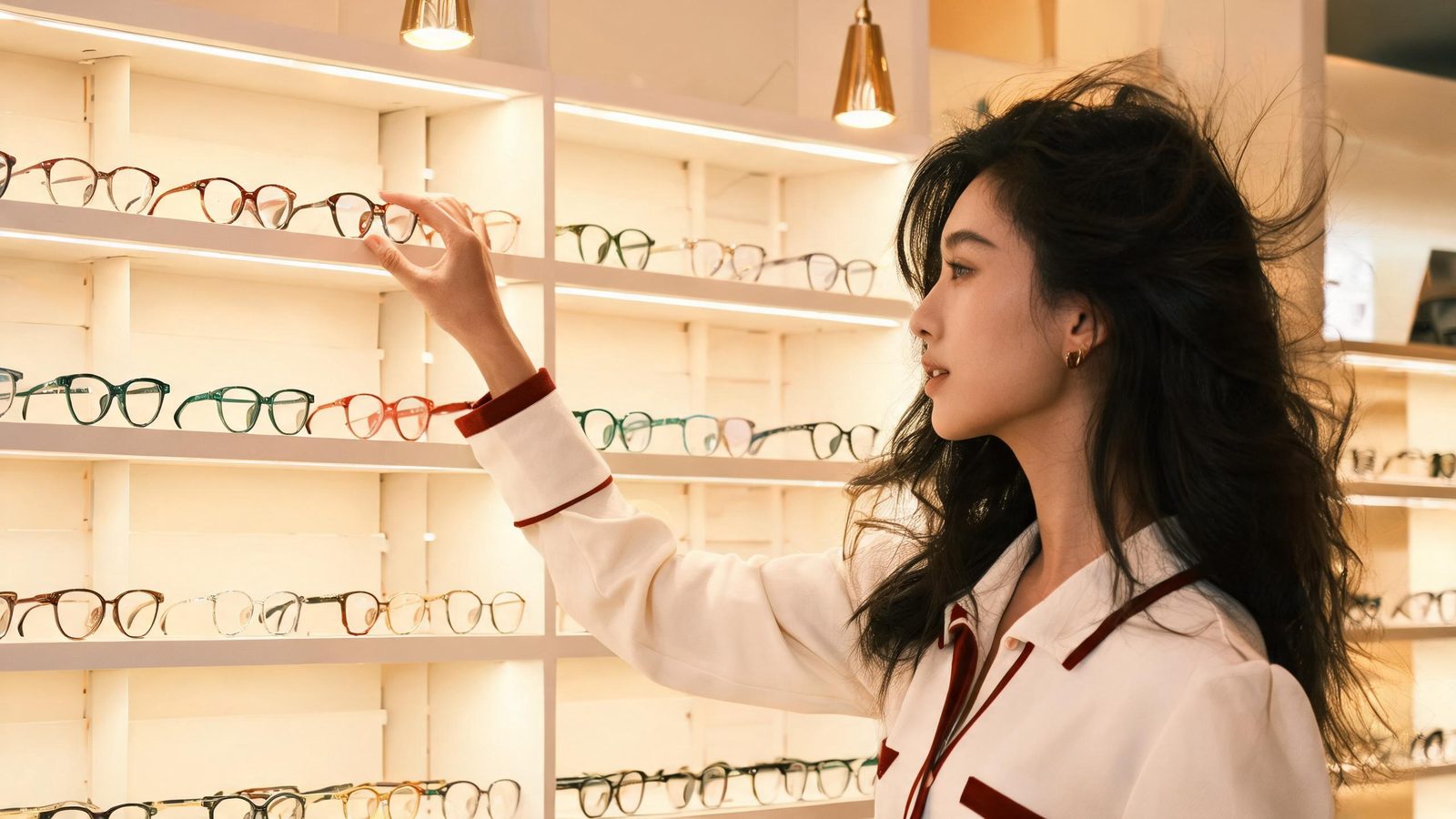
Where do expats buy glasses in Shanghai?
You have three broad routes, and the right one depends on how much English support and hand-holding you want.
The markets are for value and second pairs, the chains for a calm fixed-price experience, and a hospital eye department for anything that is more than a lens change.
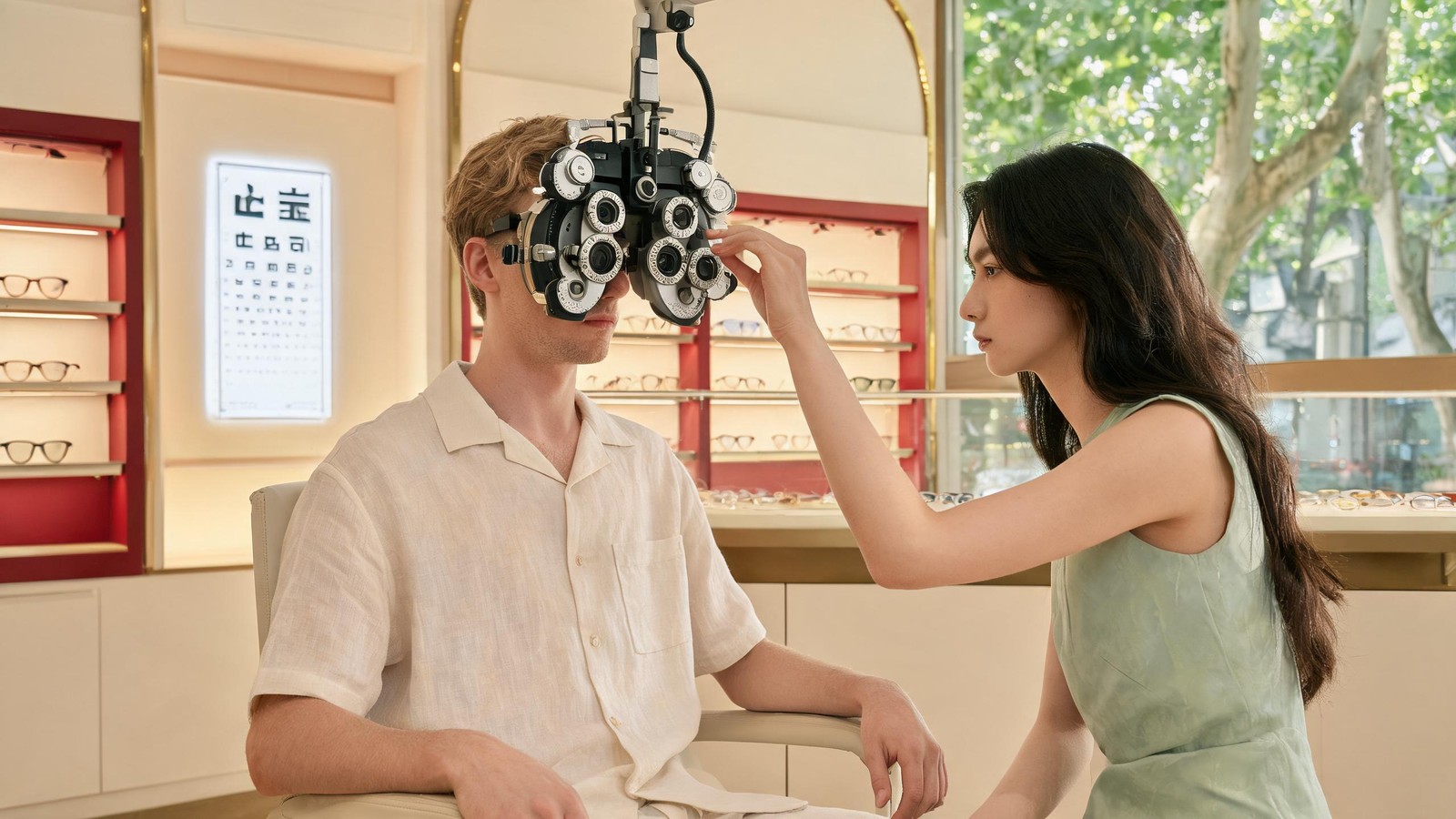
How does the eye exam work, and what should I check?
The refraction test is quick and familiar: you read a chart, look into an autorefractor, and try lens combinations until things are sharp. A few tips that make a real difference:
- Ask for the full prescription in writing, including your sphere, cylinder, axis and pupillary distance (PD). It is yours to keep and reuse.
- Inspect the lenses before you pay. Check they are the index and coatings you ordered, and that there are no scratches or distortions. Standards vary between the cheapest outlets, so a careful look protects you.
- Confirm the coatings you want: anti-reflective, blue-light filtering and scratch resistance are inexpensive add-ons here and worth it if you stare at screens.
- Get the fit adjusted. Any decent shop will heat and bend the arms so the frame sits right, and they will re-adjust for free later.
If the exam turns up anything beyond a simple prescription change, such as pressure concerns or persistent strain, that is a cue to see an eye doctor properly. Our guide on how to see a doctor in Shanghai as an expat explains how to register and get seen.
What about contact lenses?
Daily and monthly contact lenses are widely sold in optical shops and online, and popular brands you know from home are easy to find. For a first fitting, a shop or eye clinic will measure your eyes and advise on the right base curve and power. Buying replacement boxes later is simple through the same shop or a shopping app. If you are comfortable with your prescription, reordering online through a platform like the ones in our Taobao in English guide is the cheap and convenient route.
Does my insurance cover glasses or eye care?
Routine glasses and refraction are usually out of pocket everywhere, and given the low prices here that is rarely a problem. Medical eye care, injuries and conditions may be covered depending on your plan. If you are still sorting cover, our guide to health insurance for expats in Shanghai lays out the options and what they include.
As Laozi put it, 知人者智,自知者明, to know others is wisdom, to know yourself is clarity. Clear sight repays the small trouble of the exam, the point was never the frames, it was reading the room again without squinting.
Can I get glasses made the same day?
Often yes, especially for standard single-vision lenses at a market or chain with an on-site lab. Complex prescriptions, strong powers or specialty lenses may take a day or two.
Will staff speak English?
At the bigger optical malls and established chains, usually enough to get you through comfortably. At small neighbourhood shops it varies, so a translation app and your written prescription smooth things along.
Are the cheap glasses actually any good?
The lenses from reputable shops are generally fine for everyday wear. The variation is mostly in frame durability and lens coatings, so inspect what you are given and buy from a shop with visible foot traffic and reviews rather than the very cheapest stall.
Can I bring my prescription from home?
Yes. Bring it, ideally with your PD measurement. Many shops will still do a quick re-test, which is a good idea if the prescription is more than a year old.
Where do I go for a serious eye problem, not just glasses?
A dedicated eye hospital or a public hospital eye department (眼科), or an international clinic if you want English throughout. For anything sudden or painful, treat it as urgent and see our guide on medical emergencies in Shanghai.