Better than its reputation. Shanghai's 2025 average PM2.
Shanghai's air is a great alternative to its reputation. The city's average PM2.5 in 2025 was about 26.3 micrograms per cubic metre, down again on the year before, summer days are genuinely clean, and most of the time you will not think about it at all. The real story is a handful of grey winter days and the odd spring dust event. Keep an air-quality app on your phone, own one decent air purifier, and stash a box of KN95 masks, and you have handled it.
Good to know
- The honest verdict not a bad-air city any more; the annual average keeps falling and summers are clear.
- The exception winter, roughly November to February, brings most of the bad days, plus the occasional spring dust blown in from the north.
- The kit an air-quality app, one air purifier for the bedroom, and a box of KN95 masks cover almost every situation.
Is Shanghai's air actually bad?
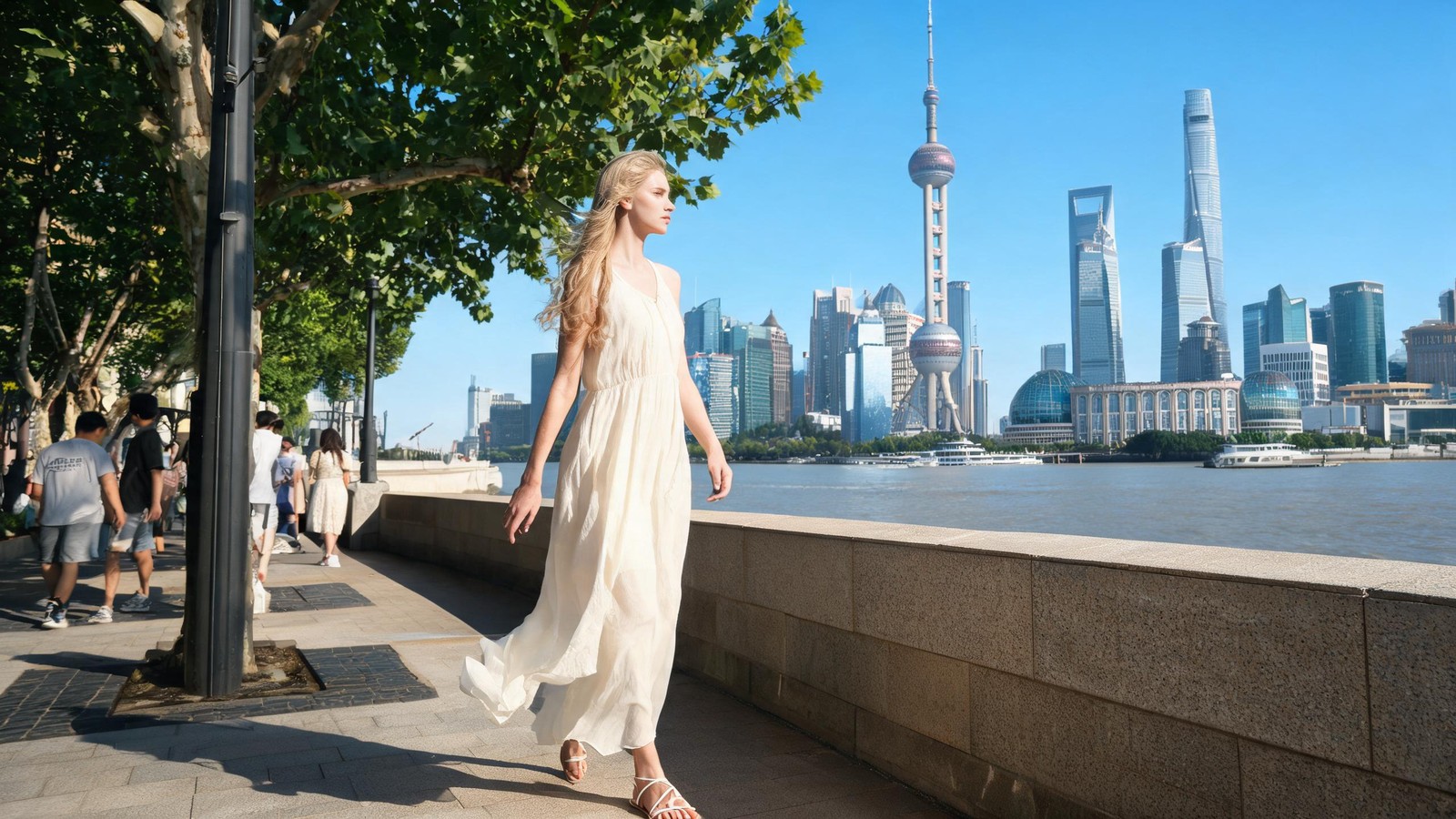
Not the way the old headlines suggest. Shanghai has spent a decade cleaning up, and it shows in the numbers: the 2025 citywide PM2.5 average landed around 26.3, comfortably inside China's national standard, and July 2025 set a record monthly low in the low teens. On a clear day the Lujiazui towers are sharp from across the river. It is not yet at the World Health Organization's strict long-term target, so it is not pristine, but the daily reality for most of the year is ordinary, breathable city air rather than a wall of smog.

When is Shanghai's air at its worst?
Winter, and it is predictable. From about November to February, colder still air, regional heating and weather that traps pollution combine to give Shanghai its worst stretches, and that is when you will see the app tip into the orange and red. Spring can bring a separate surprise: dust storms blown down from northern China that spike the reading for a day or two, the same unsettled spring that leads into typhoon season. Summer is the opposite, often the cleanest air of the year thanks to sea breezes and rain, the flip side of the heat our summer survival guide covers. Learn the pattern and you know exactly when to bother.
Do you need an air purifier in Shanghai?
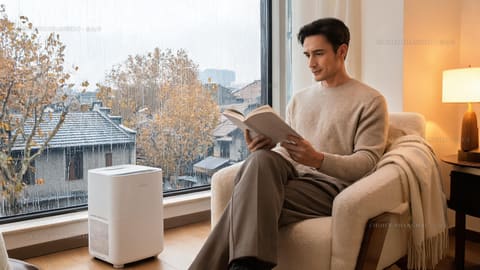
For most residents, one is worth it, mainly for winter and for peace of mind rather than because the air is dangerous year-round. A single unit in the bedroom, where you spend a third of your day, does the most good; a higher-capacity model covers a living room. Run it on the bad days, change the filter on schedule, and you have taken the edge off the worst of the season. If you are furnishing a new place, budget it in alongside the rest, and our cost-of-living guide puts the number in context.

When should you wear a mask?
Let the number decide, not the vibe. On a good or moderate day you need nothing. Once the US-scale AQI climbs past about 150, a KN95 or N95 outdoors genuinely helps on a longer walk or commute; a cloth or surgical mask does little against fine particles, so reach for a proper fitted one. The rest of the time, save them for the two or three genuinely bad weeks a year.
Kids, exercise and the bad days
Two groups should watch the number more closely: children and anyone doing hard outdoor exercise, since both breathe more air per minute. On a high-reading day, move a run or a kids' sports session indoors and keep the bedroom purifier going. Parents settling in will find the wider setup in our having-a-baby guide and our guide to English-speaking pediatricians. For everyone else, on a normal Shanghai day, go for the run.
There is an old line in the Huainanzi, 塞翁失马,焉知非福, when the old man lost his horse, who could say it was not a blessing. The sky you brace yourself for is often kinder than its reputation, and the day you write off clears by afternoon.
Is Shanghai's air quality worse than Beijing's?
Generally no. Shanghai sits on the coast and gets sea breezes and rain that clear the air, so its annual averages run better than Beijing's, though both cities have improved a lot over the past decade. Shanghai's bad days are fewer and mostly confined to winter, whereas the northern cities feel the heating-season smog more sharply.
Do air purifiers actually help on a bad Shanghai day?
Yes, indoors. A purifier with a real HEPA filter, sized to the room and left running, measurably lowers the fine-particle count in that room, which is why you put it where you sleep. It does nothing for the air outside, so pair it with a KN95 for the walk to the metro on the worst days.
Is Shanghai's air safe for babies and pregnancy?
On the vast majority of days, yes. The sensible extra caution is the same as for anyone: keep a purifier running in the nursery or bedroom, and on a high-reading winter or dust day, keep an infant indoors and skip the long stroller walk. Speak to your doctor about your own situation rather than a general rule.
Which app should I use to check Shanghai's air quality?
Your phone's weather app usually shows an air-quality figure, and dedicated air-quality apps give the US-scale AQI reading that many expats prefer because its bands are easy to act on. Whichever you use, watch the US AQI number and the PM2.5 value, and check it in the morning during winter before you plan the day.
Keeping half an eye on the air is one of a few small habits you pick up here. Our guide to what actually feels different about living in Shanghai vs the West covers the rest.