
Yes, you can adopt a cat or dog in Shanghai, and it usually costs little or nothing through the city's English-friendly rescue groups.
Yes, you can adopt a cat or dog in Shanghai, and it usually costs little or nothing. English-friendly rescue groups rehome through WeChat and weekend adoption events, from free to a donation of about ¥500 (~USD 75). Cats need zero paperwork. Dogs need a licence, a microchip and a rabies shot, one per household in the urban districts. The real commitment is not the money or the forms; it is planning for the day you leave, which is where too many adopted pets get dumped.
Good to know
- Good for anyone who wants a pet in Shanghai and would rather rescue than buy, including first-timers who need an English-speaking group to walk them through it.
- What it costs free to about ¥500 (~USD 75) to adopt; a dog licence is ¥300 to ¥500 (~USD 43 to 75) a year; cats cost nothing to register because they do not have to be.
- The honest catch rescues screen hard because so many pets are dumped when owners leave. Only adopt if you have a real plan to take the animal with you or rehome it responsibly when you leave.
Where to actually adopt in Shanghai
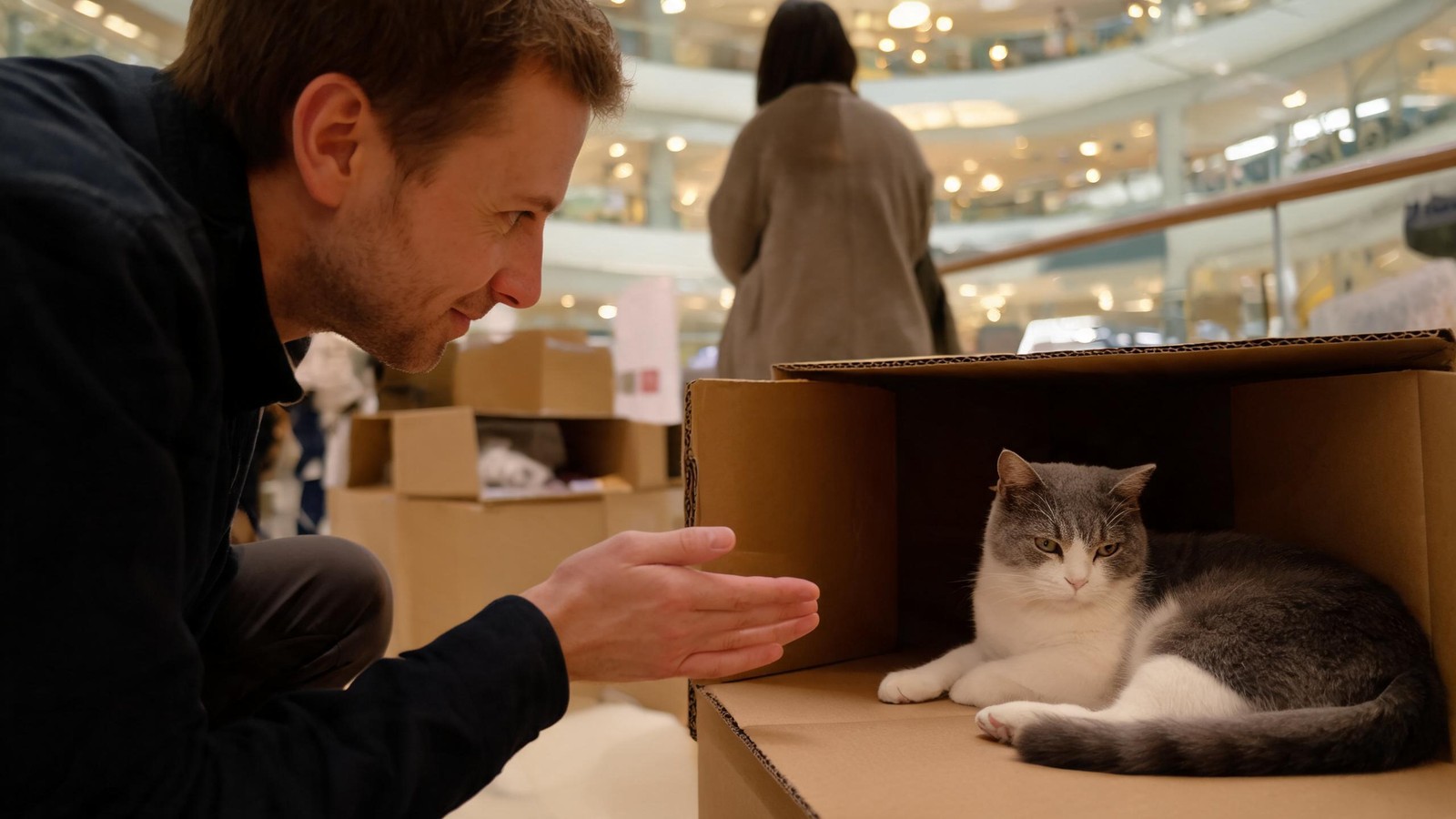
Adoption here runs through volunteer rescue groups, not a big municipal shelter, and most work off a WeChat foster network (the Shanghai government keeps an official list of adoption communities). English-friendly starting points: BFC (WeChat BFC_520), a fully bilingual, no-fee volunteer hub; Shanghai Adoption Day (公众号 上海领养日, WeChat shanghailingyangri), which runs regular adoption events, posts pets up for adoption, and even hands out free sterilisation (TNR) vouchers; Second Chance Animal Aid (SCAA), a long-running foster network built by and for the international community; and TA Shanghai and Shanghai Adoption Home, which hold adoption days in malls and parks. One more channel worth a scroll: search 领养 (lingyang, meaning adoption) on Xiaohongshu (小红书), where rescues and individual fosters post animals looking for homes right now. Channels change, so confirm the current account first. Fees run from nothing to about ¥500 (~USD 75), usually covering vaccinations and often the spay or neuter.
How the adoption actually works
The process is deliberately more careful than a pet shop. You find a pet through a rescue's WeChat or at an event, send a short application, and then expect a home check: rescuers really do visit your apartment, sometimes twice, to be sure it suits the animal. You sign an agreement that almost always commits you to spaying or neutering, and some groups run a short foster-to-adopt trial so both sides can be sure. Ask for the medical record, so you know which shots are done and what is still due. None of it is hard. It is just thorough, and that is the point.
The dog rules you have to know (cats are exempt)
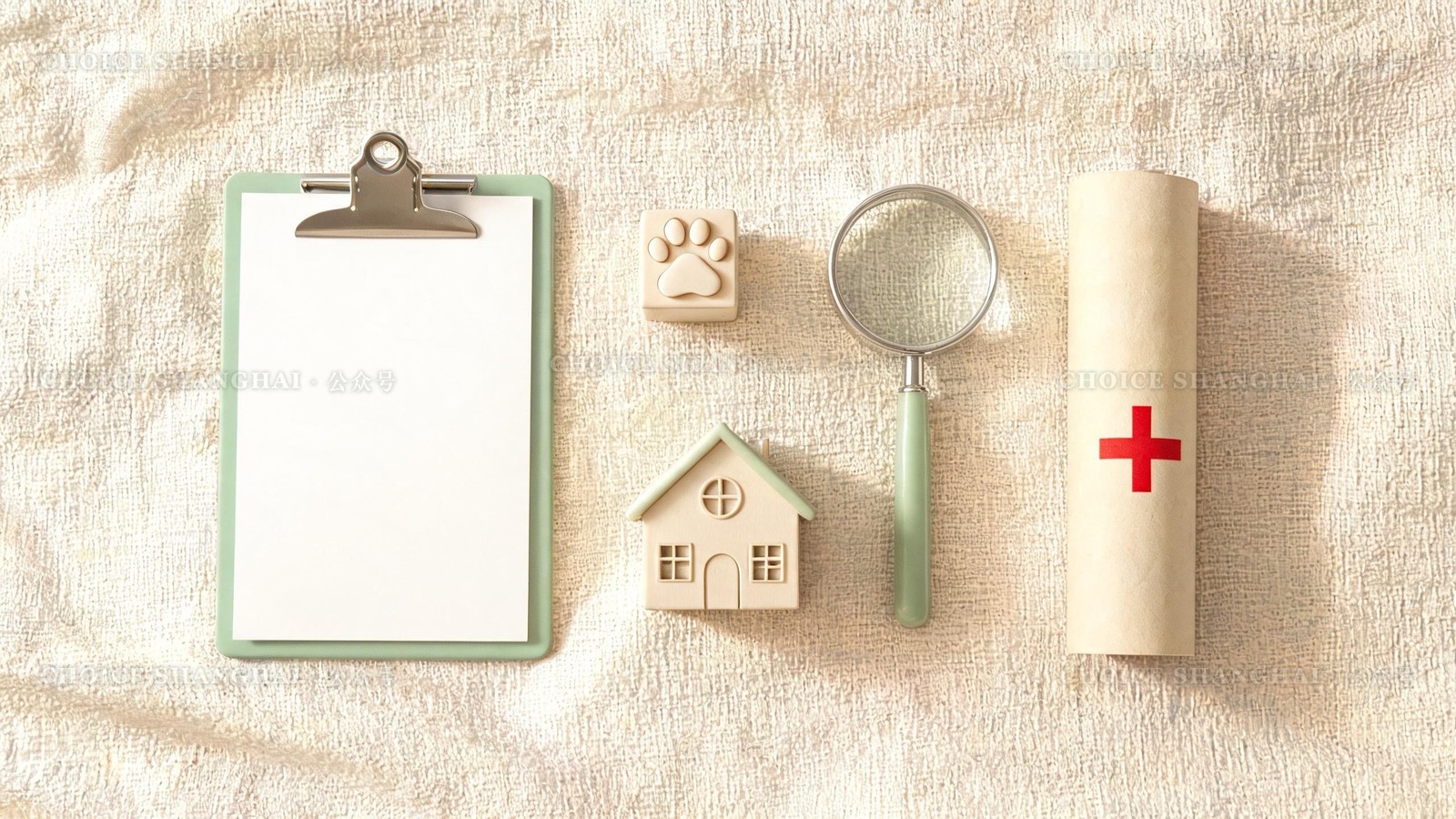
Here is where dogs and cats part ways. A cat needs nothing from the government: no registration, no microchip, no licence. A dog is a bigger commitment. Every urban dog must be licensed from three months old, microchipped and rabies-vaccinated, with a one-dog-per-household rule (one registered dog per property certificate). You apply through the Suishenban app (search 文明养犬一件事), uploading your ID, your landlord's property proof and the sterilisation certificate.
There is also a banned-breed list for individuals in the urban districts, longer than newcomers expect: German Shepherds, most bulldogs and mastiffs, Rottweilers, Dobermans, bull terriers and pit-bull types, plus their crosses. It is breed-based, not a height limit, despite the rumour. And abandoning a dog carries a ¥500 to ¥2,000 (~USD 75 to 301) fine and a five-year ban on registering another. Our guide to bringing a pet to Shanghai has the full licensing detail.
Your landlord has to say yes first
Before you fall for a face at an adoption day, sort the flat. You legally need your landlord's cooperation: the dog licence itself needs their property documents, and even for a cat most leases want an explicit pet clause. Get it in writing in the bilingual contract, name the pet, and expect a refundable pet deposit of about half a month to a month's rent; serviced apartments can charge more, sometimes a non-refundable cleaning fee on top. Never rely on a verbal "sure, it's fine." Still apartment-hunting? Our renting guide covers getting clauses like this into the lease.
The hard part: planning for when you leave
This is the honest heart of it, and what rescues screen for hardest. Expats move, and every year pets get abandoned when someone leaves in a hurry. Taking an animal out of China is genuinely doable, but not last-minute: it needs an official rabies vaccination record, an export health check at the government quarantine hospital within a week of your flight, and, for many countries, a rabies antibody blood test with its own waiting period of months. Plan it the day you know you are leaving, not the week before. If you cannot honestly commit to taking the pet with you or rehoming it responsibly, the kind choice is to foster, not adopt. Adopt only for the animal's whole life.
What it costs to keep a pet here
Day to day, Shanghai is affordable for a pet. The wildcards are not the monthly basics but the one-off spay or neuter and any emergency, so a small buffer matters more than the average. Here is the rough breakdown. For clinics and after-hours care, see our guide to English-speaking vets.
Cat or dog: which fits your Shanghai life
If you rent a compact flat, travel often, or want the least paperwork, adopt a cat: no licence, no walks, and easier to rehome or move if life changes. If you have the space, the routine and the years, a dog is deeply rewarding here, with riverside runs and dog-friendly cafes, just budget for the licence, the one-dog rule and the export plan. Either way, go to an adoption day and meet a few animals first; the right one tends to make the choice for you.
Should I adopt or buy a pet in Shanghai?
Adopting is cheaper, kinder and sidesteps the sick-animal risk of the city's pet-shop and online-breeder trade, where puppies and kittens are often sold too young and poorly vaccinated. Rescues also vet both you and the animal, so you know what you are taking on. If you have your heart set on a breed, look for a breed-specific rescue before a shop, and never buy a pet on impulse from a market stall.
How long does adopting a pet take?
Anywhere from a few days to a couple of weeks. After you apply through a rescue's WeChat or meet a pet at an adoption day, expect a home check and often a short foster-to-adopt trial before it is final; nobody hands over an animal on the spot. Cats tend to move faster than dogs, because there is no licensing to sort out first.
Can I foster instead of adopting?
Yes, and rescues are always short of fosters. You take an animal home short-term while it waits for a permanent family, and the rescue usually covers its food and vet costs. It is the kind choice if you are not sure you can commit for the animal's whole life or you might leave Shanghai soon, and it doubles as a no-pressure trial run before you decide.
What if my building or compound does not allow pets?
Check before you fall for a face. Some compounds and serviced buildings restrict dogs, or pets altogether, through the property management (物业) rules on top of your lease, and it is stricter for dogs than cats. Confirm both the building rules and a written pet clause in your contract before you adopt, especially for a dog, so you are never forced to choose between your home and your pet.
Can I adopt if I work long hours or travel a lot?
A cat, easily: it is independent, needs no walks and copes with a weekend away plus a sitter. A dog is a bigger ask, and rescues will gently push back if your schedule looks thin, because it needs daily walks and company; line up a dog-walker or boarding before you commit. Be honest about your week and the rescue will help you match the right animal, or steer you to fostering instead.
A rescued animal does not need a perfect home, only a permanent one, so adopt for the whole journey, not just the Shanghai chapter.
Words, maps and research by the Choice Shanghai team. Please credit us and tag our 公众号 if you share.