Shanghai Gym & Fitness Guide: Where Expats Actually Work Out
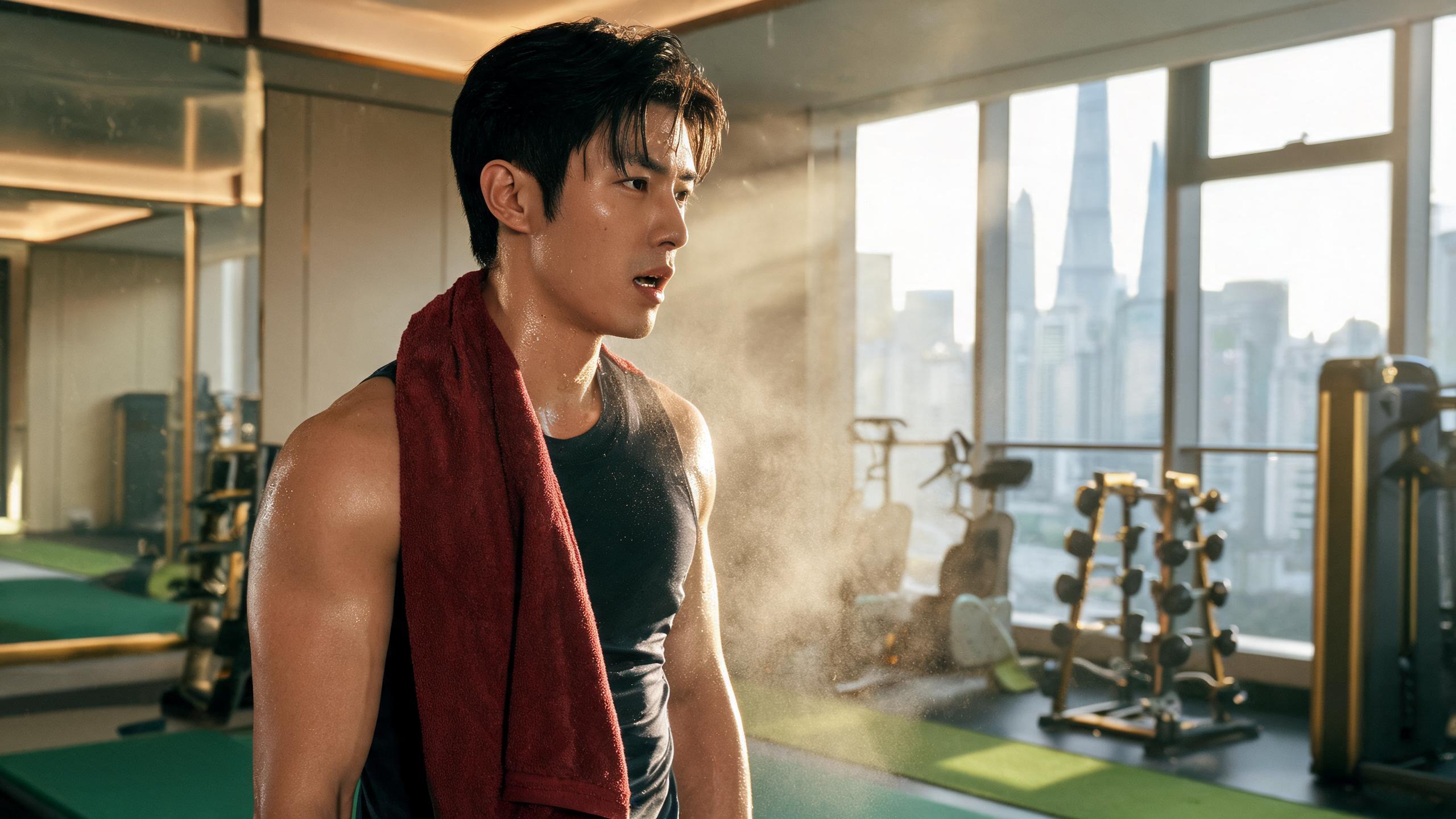
The first gym I joined in Shanghai required a two-year contract, a 500 RMB “activation fee” that activated nothing visible, and a personal trainer who appeared at my side every session like a friendly but persistent ghost. I lasted three months. It took me another four gyms and two years of running along the river before I figured out how fitness actually works in this city. Let me save you the journey.
Shanghai fitness in one paragraph: unstaffed 24-hour smart gyms such as Lefit and Supermonkey cost 99 to 299 RMB a month, boutique studios like Olive Branch run 100 to 250 RMB a class, midrange chains charge 2,000 to 5,000 RMB a year (never prepay more than one year), premium clubs like Kerry Sports run 15,000 to 20,000 RMB, and the West Bund riverside running path is free.
Fitness in Shanghai is cheap and abundant, but the landscape is confusing if you don’t know the tiers. You’ve got premium hotel gyms with infinity pools, midrange chains where someone will definitely try to sell you 50 personal training sessions, budget smart gyms that cost less than your monthly coffee habit, and outdoor options that are completely free. Here’s how to pick the right one and skip the sales pitch.
Smart gyms: cheap, 24-hour, no sales pressure
This is the single biggest shift in Shanghai fitness over the past few years. Unstaffed smart gyms have opened everywhere, typically in the basements or ground floors of residential buildings. You scan a QR code to enter, work out whenever you want, and leave. No staff, no trainers hovering nearby, no sales calls. Just equipment and silence, or whatever’s playing through your earbuds.
What they cost: Monthly plans run 99–299 RMB. Some offer per-visit pricing at 10–20 RMB per session. For comparison, that’s less than two coffees at most Shanghai cafes. The equipment is usually straightforward: treadmills, bikes, a cable machine, dumbbells, and a few benches. Not fancy, but functional.
How to find them: Search “24小时健身” (24-hour fitness) or “智能健身” (smart fitness) on Dianping or your map app. Brands like Lefit (乐刻), Supermonkey (超级猩猩), and Keep all operate in Shanghai. Most require a Chinese phone number for the app sign-up, and payment goes through Alipay or WeChat Pay.
The catch: No showers at some locations. Check before you commit, especially if you plan to work out before heading to the office smelling like someone who just worked out.
Midrange chains: decent value, persistent salespeople
The midrange gym in Shanghai is a particular experience. The equipment is good, the facilities include showers and often a pool, and someone will approach you within your first week to sell you a personal training package. This is not optional. It is simply what happens. Be prepared to say no politely, firmly, and repeatedly.
A warning about Will’s Gym (updated July 2026): the chain that used to be the expat default collapsed in 2025 amid mass closures and unresolved membership refund claims, and only a couple of stores remain nationwide. We no longer recommend it, and the wider lesson stands for any gym here: never prepay a multi-year membership. Pay-per-class studios and monthly smart gyms carry none of that risk.
Liking Fit (莱美健身) is a step down in price (2,000–3,500 RMB per year) and often has longer hours. Quality varies by location, so visit before signing up. The Jing’an and Changning branches tend to be better maintained.
Contract tip: Never pay for more than one year upfront. Shanghai gym closures happen without warning, and the “three-year deal” that looks like a bargain becomes a donation when the gym shutters six months later. Also: negotiate. The first price they quote is never the real price. Walk away once and they’ll call you within 48 hours with something better.
Boutique studios: where English is spoken and nobody sells you 100 sessions
If you want to work out in English, with trainers who understand your goals and don’t treat every conversation as a sales opportunity, boutique studios are where you’ll end up. They cost more per session but deliver more per session too.
- Olive Branch Fitness (multiple locations) — Founded by an expat, all classes in English. Group training, HIIT, strength conditioning. Drop-in classes 150–200 RMB. Class packs bring the per-session cost down to about 120 RMB. The community is genuinely welcoming, and the workouts are properly programmed, not just random exercises strung together.
- Prime Fitness (Jing’an) — Personal training focused, English-speaking coaches. Expect to pay 400–600 RMB per private session. Worth it if you want structured programming and someone who actually tracks your progress between sessions.
- Supermonkey (超级猩猩) — Pay-per-class model with no membership required. Book via their mini program. Classes run 69–159 RMB and include spinning, boxing, dance, Pilates, and strength training. Some instructors speak English; check the class description. The Xuhui and Jing’an locations tend to have more bilingual sessions.
- Feel Good Fitness (Xuhui) — Small, friendly, English-speaking. Group and private sessions. Good for beginners who want to learn proper form without the intimidation factor of a big gym.
Premium gyms: when money is not the issue
If your company is paying or you simply want seriously plush facilities, hotel gyms are the answer. Several sell standalone memberships that include pool access, steam rooms, and occasionally tennis or basketball courts.
Kerry Sports (Kerry Centre, Pudong) is the expat gold standard. Open 24 hours, with a swimming pool, running track, basketball and tennis courts, and a children’s play zone. Annual membership hovers around 15,000–20,000 RMB. The crowd is international, the equipment is maintained, and nobody will try to sell you anything once you’re in.
Shanghai Racquet Club (Minhang) is the premium end: 60,000 RMB per year buys access to tennis, swimming, a full gym, and a social scene that skews toward long-term expat families. It’s effectively a club, not just a gym.
Hotel day passes: Many five-star hotels sell day passes (150–400 RMB) that include gym and pool access. The Marriott, Hilton, and InterContinental properties are popular weekend options when you want a swim and some air conditioning without a year-long commitment.
Running outdoors: the free option
Shanghai is flat, which makes it an excellent running city if you can handle the heat (in summer) or the chill (in winter). The trick is knowing which routes are paved, well-lit, and don’t dead-end into a construction site.
- West Bund waterfront (Xuhui) — The gold standard. A paved, car-free path along the Huangpu River with distance markers, public restrooms, and enough other runners that you never feel alone. You can run 5K, 10K, or longer depending on how far south you go. Mornings and evenings are busy; midday in summer is unwise.
- Century Park (Pudong) — A 5K loop around the park perimeter. Shaded, flat, and pleasant. The 10 RMB entry fee keeps it less crowded than public paths. There’s a drinking fountain near the south gate.
- Suzhou Creek greenway — A growing network of paved paths following the creek through Putuo and Jing’an. Some stretches are gorgeous; others are still under development. Great for shorter 3–5K runs.
- Jing’an Sculpture Park — Too small for serious running but good for a quick lap or outdoor bodyweight workout. The auntie dance squads start around 7 PM and provide free entertainment during your cooldown stretches.
Running groups: Shanghai Hash House Harriers (a social running group, not what the name suggests) meets weekly and is how many expats find their running community. Several expat-organized running clubs post meetups on WeChat; search for “Shanghai Running Club” or “Shanghai Trail Runners.”
Swimming: pool passes and where to find them
Finding a lap pool in Shanghai requires strategy. Public pools exist but are often crowded beyond the point of usefulness during summer. Your realistic options:
- Hotel day passes are the simplest route. Many five-star hotels sell pool-only passes for 150–300 RMB per visit. The Pudong Shangri-La, W Hotel, and Kerry Hotel all have excellent outdoor pools that feel like a mini-vacation. Some offer monthly pool passes around 2,000–3,000 RMB.
- Gym memberships with pools: Kerry Sports and some Liking Fit locations include pool access. If swimming is important to you, confirm pool availability before signing any gym contract.
- Community pools: Some residential compounds have pools open to non-residents for a daily fee (usually 30–80 RMB). Ask around your neighborhood. These are quieter than public pools and usually less expensive than hotel passes.
The quick-reference price guide
- Smart gym (24h, unstaffed): 99–299 RMB/month
- Midrange chain (Liking Fit): 2,000–5,000 RMB/year, and never prepay more than one year
- Boutique studio drop-in: 100–250 RMB/class
- Personal trainer (English-speaking): 400–600 RMB/session
- Hotel gym day pass: 150–400 RMB/visit
- Premium club (Kerry Sports): 15,000–20,000 RMB/year
- Running outdoors: Free (as it should be)
Shanghai has a gym for every budget and every personality. The trick is knowing what to avoid (long contracts, aggressive trainers) and what to embrace (smart gyms, riverside runs, and the one boutique studio that makes you actually want to show up three times a week). Once you find your thing, staying fit here is easier and cheaper than in most international cities. Now stop reading and go move.
Which one is for you 哪个适合你
If you want cheap workouts and zero sales pressure, take a 24-hour smart gym like Lefit. If you want English coaching and a community, book classes at Olive Branch or Supermonkey. If your company is paying, Kerry Sports covers pool, track and courts in one membership. If you refuse to pay at all, the West Bund path is waiting.
Common questions
How much does a gym membership cost in Shanghai?
It depends on the tier. Budget smart gyms run 99–299 RMB per month. Midrange chains like Liking Fit cost 2,000–5,000 RMB per year. Premium facilities like Kerry Sports charge 15,000–20,000 RMB per year. Boutique classes are 100–250 RMB per drop-in session.
Are there gyms in Shanghai with English-speaking trainers?
Yes. Boutique studios like Olive Branch, Prime Fitness, and Feel Good Fitness have English-speaking trainers. Major hotel gyms (Kerry Sports, Marriott, Hilton) also have bilingual staff. Supermonkey offers some bilingual group classes.
Where can I run outdoors in Shanghai?
The West Bund waterfront path in Xuhui is a favorite route among expat runners: flat, scenic, car-free, with distance markers. Century Park in Pudong has a 5K loop. The Suzhou Creek greenway offers growing paved paths through Putuo and Jing’an.
Choice Shanghai · Curated in person. Trusted by the community.