A single class in Shanghai runs about 180 to 600 RMB, and the real payoff is the room full of people you would never have met.
A single class in Shanghai runs about 180 to 600 RMB (USD 27 to 90), and a short course spread over a few weeks lands between 1,000 and 4,000 RMB (USD 149 to 597). Pottery, a dumpling-folding kitchen, a watercolour evening, calligraphy and a weekly language exchange are the easiest to walk into with no Chinese and no experience. The real payoff is not the mug you take home. It is the room full of people you would never have met otherwise.
Good to know
- Good for: anyone who has run out of bars and wants a reason to leave the flat on a weeknight.
- What you will pay: 180 to 600 RMB (USD 27 to 90) for one session, 1,000 to 4,000 RMB (USD 149 to 597) for a short course.
- Make the most of it: pick a course, not a one-off, if your real goal is the people. Four weeks turns strangers into a group chat.
Why a class beats another night out
Making friends in Shanghai as an adult is the quiet problem nobody warns you about, and a weekly class is the cheat code. You turn up at the same time, with the same faces, doing something with your hands, and after a few weeks the small talk has done itself. It works a great alternative to a one-off bar night, where you swap WeChats and never message. If building a circle is the point, a recurring class does more than most apps. We go deeper on this in our guide to making friends in Shanghai, and a class is one of the surest routes on that list. If you want those friendships to reach beyond the expat bubble, a Chinese-language studio class is also one of the better ways to meet actual local friends.
Pottery and ceramics: the one everyone tries first
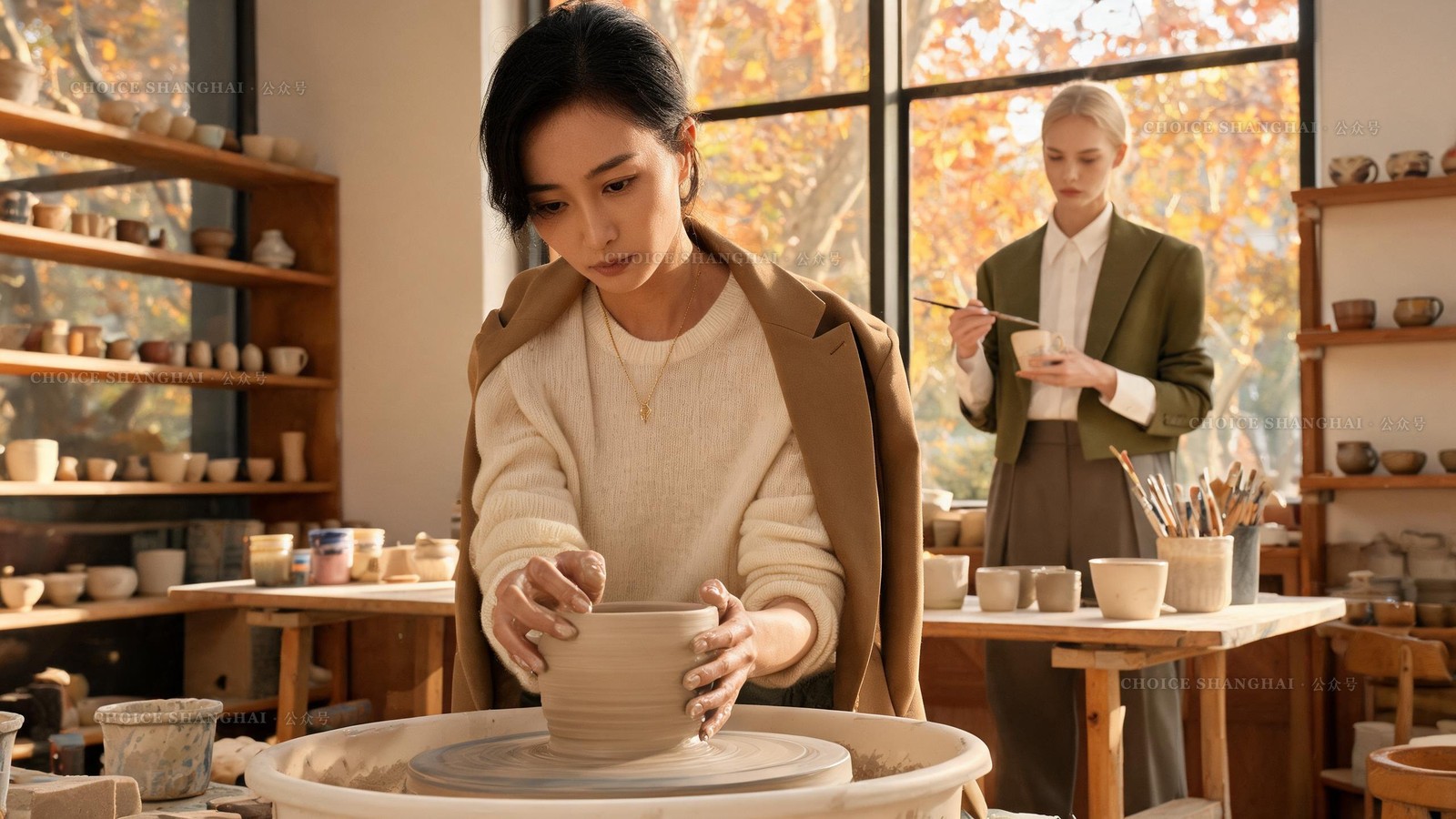
Pottery is the most forgiving place to start in Shanghai, because clay does not care whether you can read a menu. A trial session at the wheel runs about 200 to 380 RMB (USD 30 to 57) and sends you home with a wobbly bowl. A proper course of four to eight weeks, where you actually learn to centre the clay and glaze a piece, runs 1,500 to 3,500 RMB (USD 224 to 522). The creative districts are where the studios cluster: the old mills of M50 up by Suzhou Creek, and the quiet lanes around Anfu Lu and Wukang Lu in Xuhui. It also happens to be a genuinely good first date, which is why it turns up on our list of Shanghai date spots.
Cooking classes: learn the food you keep ordering
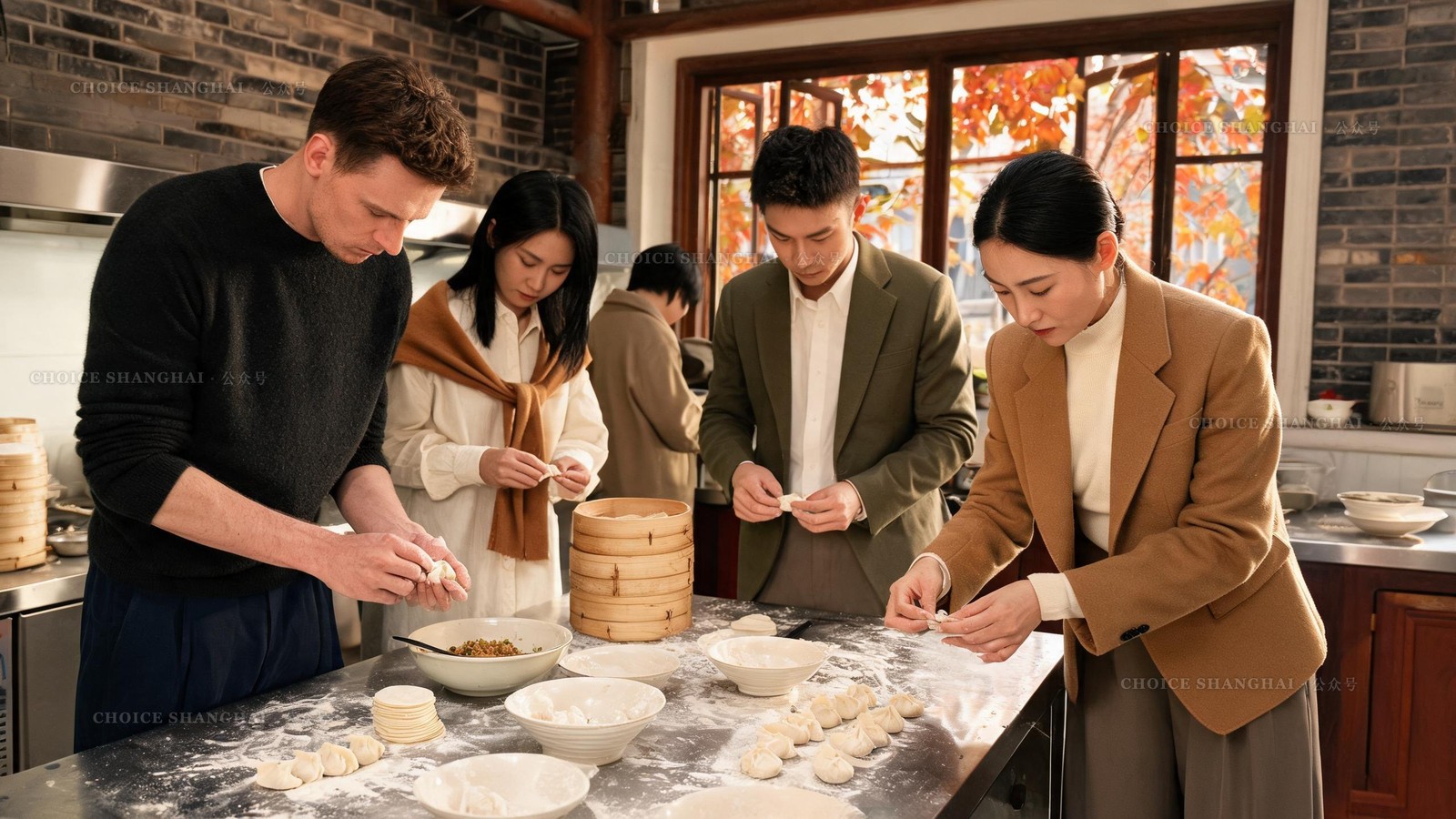
A cooking class in Shanghai is the one you will use for the rest of your life, because you finally learn to make the dumplings, the mapo tofu and the dishes you have been pointing at for years. Group sessions run about 300 to 600 RMB (USD 45 to 90) and usually end with everyone eating what they made. A longer course, often run out of hotel kitchens or independent studios, runs 1,800 to 4,000 RMB (USD 269 to 597). Most are taught in English or with an English-speaking helper, so you can follow along even before your Mandarin gets going. It pairs well with knowing how to order food when you cannot read the menu, so you can hunt down the ingredients afterwards.
Painting, watercolour and calligraphy: the calm ones
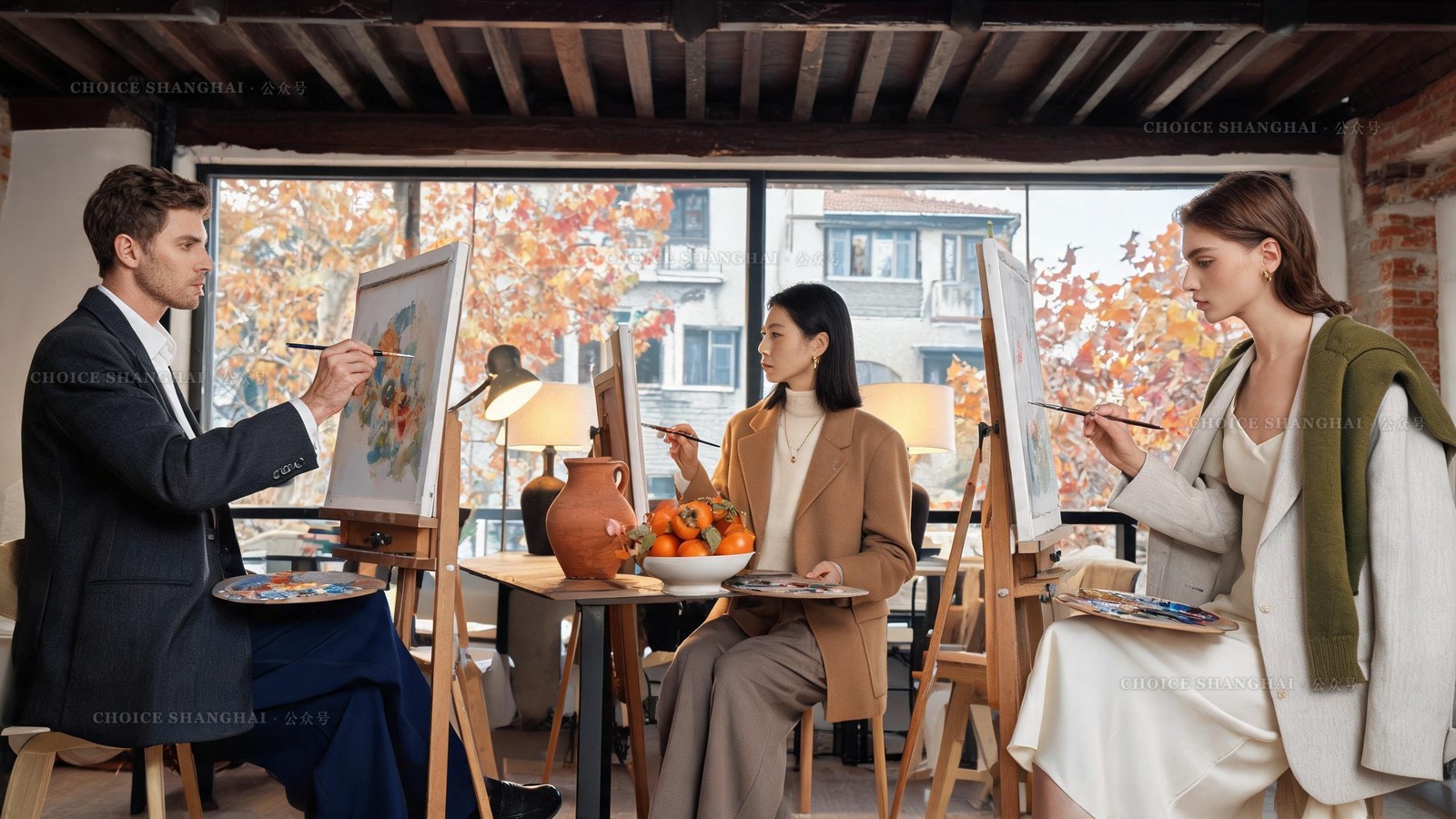
If a loud group is not your idea of a good evening, the quiet classes suit you better. A drop-in watercolour or life-drawing session in Shanghai runs about 180 to 400 RMB (USD 27 to 60), often with a glass of wine and a still life to copy. Chinese ink painting and calligraphy sit a little cheaper, around 150 to 350 RMB (USD 22 to 52) a session at cultural centres and teahouses, and they come with the bonus of finally understanding the characters you walk past every day. These are the classes people book to switch their brain off after work, closer in spirit to a good slow Sunday than to networking.
Language exchange: the cheapest class in the city
A language exchange is the lowest-cost way to learn something in Shanghai, and often free. The format is simple: you speak English for half the time, your partner speaks Chinese for the other half, usually over coffee in a Jing'an cafe. Organised meetups run free to about 120 RMB (USD 18) a session, and a structured weekly class with a tutor starts around 2,000 RMB (USD 300) for a block. It is slower than a formal school, but it doubles as a social life, and the person across the table often becomes the friend who explains the things no textbook covers.
What classes cost in Shanghai
Here is the shape of it, from a single try to a full course. Treat the ranges as ballparks that move with the studio and the neighbourhood.
Which one is for you 哪个适合你
If you want to meet people fast, book a group cooking class or a pottery course, where the shared table does the work. If you want a calm reset after work, choose watercolour, ink painting or calligraphy and go alone. If your real goal is Chinese, a weekly language exchange costs the least and sticks the longest. And if you are not sure, start with a single pottery session: it is cheap, it is forgiving, and almost nobody regrets it.
How much does a pottery class cost in Shanghai?
A one-off wheel session in Shanghai runs about 200 to 380 RMB (USD 30 to 57), and you take home a piece. A four to eight week course, where you learn to centre and glaze properly, runs 1,500 to 3,500 RMB (USD 224 to 522). Studios cluster around M50 and the lanes off Anfu Lu.
Do I need to speak Chinese to take a class in Shanghai?
No. Pottery, painting and most cooking classes aimed at residents run in English or with an English-speaking helper, and the hands-on ones barely need words at all. A language exchange is the one case where not speaking Chinese is the entire point.
Where can I take a cooking class in Shanghai?
The easiest cooking classes to join run out of hotel kitchens and independent studios across Jing'an and Xuhui, with group sessions around 300 to 600 RMB (USD 45 to 90). Search the class name on Dianping and read recent reviews before you book.
What classes are good for meeting people in Shanghai?
Recurring group classes beat one-off sessions for friendship. Cooking classes, pottery courses and language exchanges put the same people in a room week after week, which is how the small talk turns into a group chat. A single workshop is fun but rarely builds a circle.
As Confucius opens the Analects, 学而时习之,不亦说乎, to learn something and keep practising it is a quiet joy in itself, and a very good reason to leave the flat.
Words, maps and research by the Choice Shanghai team. Please credit us and tag our 公众号 if you share.