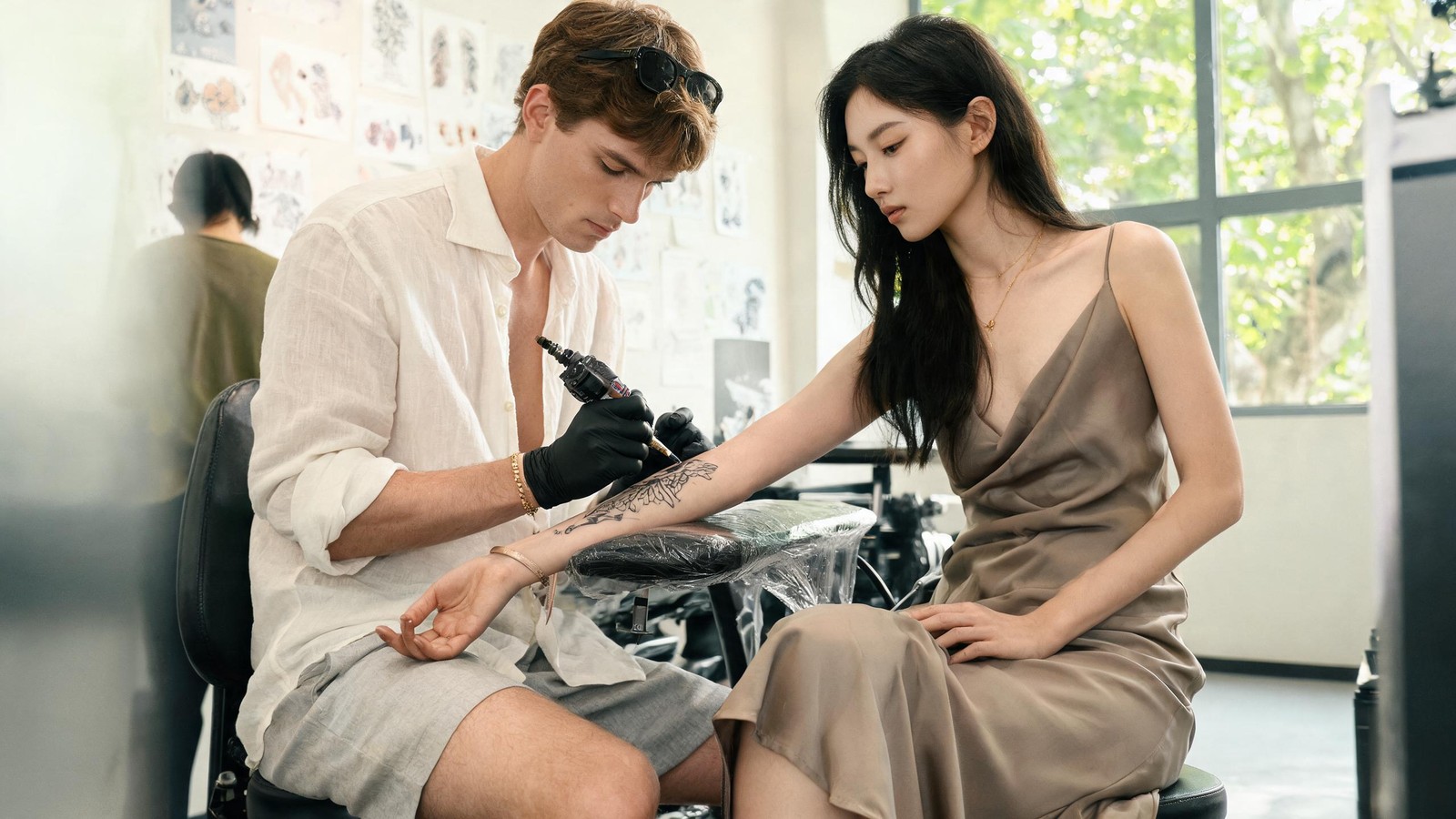
A tattoo in Shanghai runs from about 200 yuan for a small piece to tens of thousands for a sleeve, and the scene is genuinely good, but there is no tattoo licensing in China.
A tattoo in Shanghai runs from about 200 yuan for something small to tens of thousands for a full sleeve, with sought-after artists charging 1,000 to 2,000 yuan an hour. The work is genuinely good, but China has no national tattoo licence, so hygiene is on you: look for sealed single-use needles, fresh gloves and an autoclave, and never let anyone ink you in a living room or hotel.
Good to know
- Good for: a first piece or adding to a collection, tourists included, at appointment-first studios.
- What you'll pay: from about 200 yuan for something small, 800 to 2,000 for a medium piece, tens of thousands for a sleeve, plus a 300 to 500 yuan design deposit.
- Make it count: book on WeChat or Dianping, check the hygiene in person, and plan around Shanghai's humid summer healing.
What does a tattoo cost in Shanghai?
Studios price two ways: a flat quote for the piece (一口价), which is normal for small and medium custom work, or by the hour for larger multi-session jobs. Many shops have a minimum charge of roughly 200 to 500 yuan that covers the smallest wrist or finger piece, and a design deposit of 300 to 500 yuan locks your date and comes off the final bill. Named artists set higher floors, and the celebrity end of the market quotes in the tens of thousands, which is marketing as much as pricing.
The single biggest swing is the artist, not the size, the same way a good haircut in Shanghai or a gel manicure costs what it costs based on who does the work. A clean, well-reviewed artist charging by the hour will cost more than a cheap flat quote, and for something permanent that is the right place to spend.
How do you spot a clean, safe studio?
This is the part that matters more than the price. Because there is no dedicated tattoo licence in China, a good studio proves itself through its hygiene, not a certificate on the wall. Watch for the needle to be unwrapped from a sealed sterile pouch in front of you, fresh gloves for your session, single-use ink caps that are never double-dipped, barrier film on the machine and armrest, and an autoclave or fully single-use setup for anything reusable. Sharps should go into a proper container, not a bin.
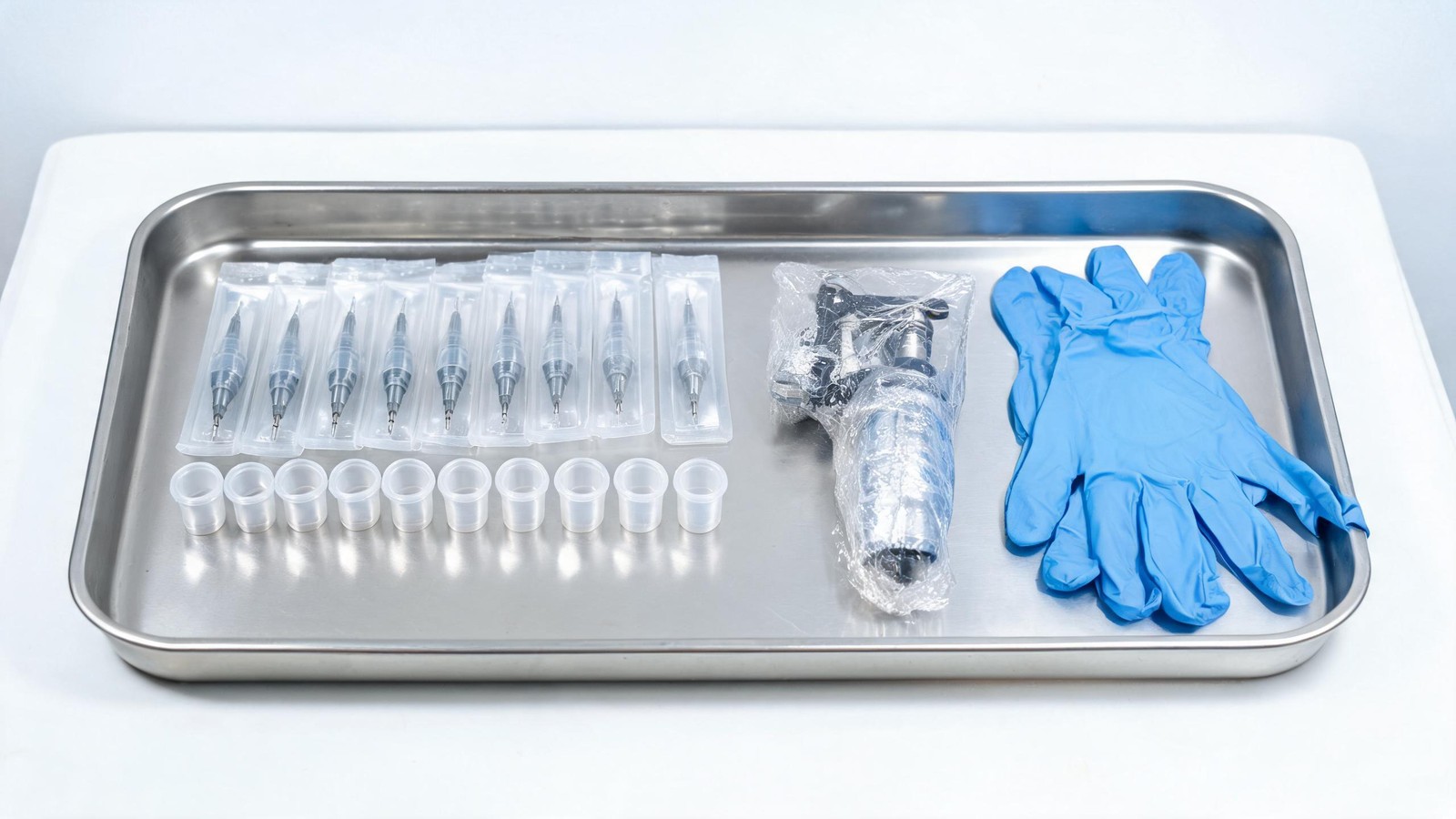
The red flags are just as clear: needles not unwrapped in front of you, reused ink caps, no gloves, no autoclave or sterile pouches, pressure to skip a consultation or deposit, anyone willing to tattoo a minor, or a price so low it cannot cover sterile supplies. Any one of those is reason enough to walk out. If your skin reacts badly afterwards, our guide to English-speaking dermatologists in Shanghai covers where to go.
Where do internationals actually go?
A handful of studios have built a real reputation with the expat crowd, largely because they combine solid work with English-speaking staff and visible hygiene. Shanghai Tattoo in Jing'an, run by Zhuo Dan Ting, has been going since 2007 and is used to international clients across realism, black-and-grey and colour. Temple Tattoo in Changning is explicitly bilingual and a favourite with the creative and international community, covering everything from lettering to East Asian art. Giant Panda Tattoo is known for English and Spanish-speaking staff and realism work. Treat these as starting points rather than the last word: always look at an artist's own recent portfolio for the style you want, on Instagram or Dianping, and book a consultation before you commit.
Booking, deposits and healing in the heat
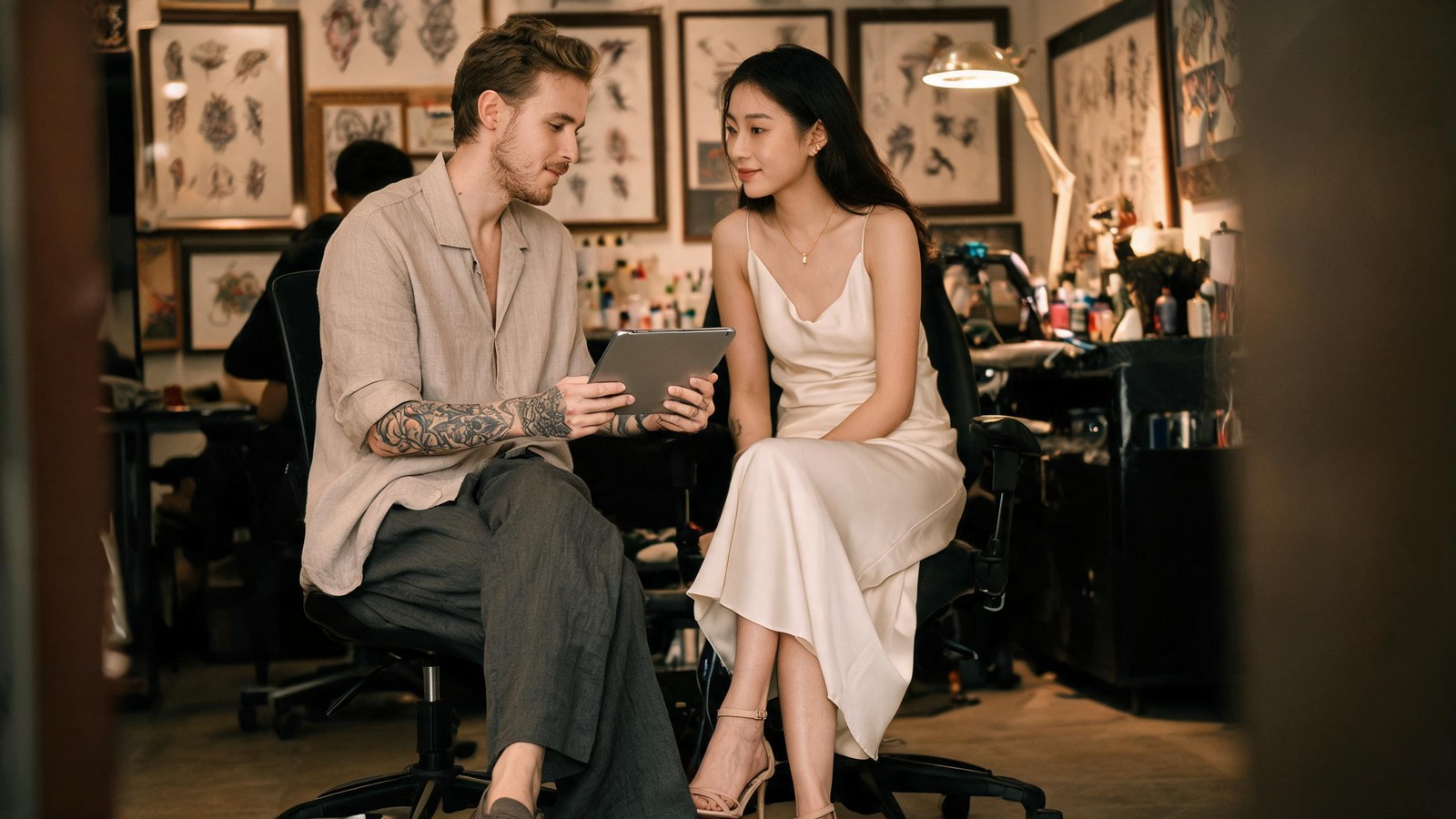
WeChat is the default way to book and consult, with Dianping and Instagram used for finding artists and reading reviews. Custom work is appointment-first, though tiny flash pieces sometimes take walk-ins. Expect a 300 to 500 yuan deposit to hold your slot and start the design, usually credited to the final price. Studios that market to internationals are comfortable tattooing short-stay visitors, so being a tourist is not a barrier. The real seasonal issue is Shanghai's humid summer: heat and sweat slow healing and raise the infection risk, so keep a fresh tattoo clean and dry, follow the aftercare, and stay out of pools, rivers, saunas and direct sun until it has healed, usually two to four weeks on the surface.

The stuff nobody warns you about
A few things catch people out. Tattoos are legal for adults, but studios only tattoo people 18 and over, and politically sensitive, obscene or cult imagery is off-limits. Certain jobs still restrict them: the military, police, civil service, firefighters, airline cabin crew and national athletes either bar visible tattoos or require them covered, and formal corporate workplaces can be conservative, so a coverable placement saves a lot of hassle. Day to day, plenty of modern gyms do not care, but some high-end and hotel gyms enforce a cover-up rule, and public swimming pools may turn away visibly tattooed guests. The strictest zone is hot springs (温泉) and traditional bathhouses, many of which have explicit no-tattoo policies, so a private-room option is the workaround. If pools are part of your routine, our guide to Shanghai swimming pools and the one on gyms and day passes are worth a look before you book somewhere new.
The Classic of Filial Piety teaches 身体发肤,受之父母, that your body, to the last hair, is a gift from your parents. Whatever you choose to mark it with, choose the hand and the needle with the same care you would give that gift.
How much does a small tattoo cost in Shanghai?
Roughly 200 to 600 yuan for something small like a wrist, finger or short lettering piece, which is usually at or just above a studio's minimum charge. A medium forearm or calf piece runs about 800 to 2,000 yuan, and larger custom work is priced by the hour at roughly 1,000 to 2,000 yuan. A 300 to 500 yuan design deposit is standard and comes off the final price.
Are tattoo studios regulated or licensed in China?
There is no dedicated national tattoo licence, so studios sit in a legal gray area governed by general local sanitation rules rather than a tattoo-specific permit. That means you cannot rely on a certificate to prove safety. Judge a studio by its hygiene in person instead: sealed single-use needles opened in front of you, fresh gloves, single-use ink caps and an autoclave for any reusable tools.
Can I get a tattoo in Shanghai as a tourist without much Chinese?
Yes. Several studios market to internationals and have English-speaking artists, and they are used to short-stay visitors. Book ahead on WeChat, Instagram or Dianping, send reference images so language is less of a barrier, and pay the deposit to lock your slot. For anything custom, a short consultation first is worth it to agree the design and placement clearly.
Will a visible tattoo be a problem in Shanghai?
For daily life, rarely, since attitudes in Shanghai sit among the more relaxed in the country. The exceptions are specific: some formal corporate jobs, plus the military, police, civil service and cabin crew, restrict visible tattoos, and certain hot springs, bathhouses, high-end gyms and public pools may refuse or ask you to cover up. A placement you can hide under clothing avoids nearly all of these.
How do I look after a new tattoo in Shanghai's summer?
Keep it clean and dry, wash gently with fragrance-free soap, pat dry and use a thin layer of unscented aftercare, and do not pick or scratch. In the humid heat, sweat and moisture slow healing and raise infection risk, so avoid pools, rivers, saunas, hot springs and direct sun until the surface has healed, usually two to four weeks. If it stays red, swollen or painful, see a doctor.