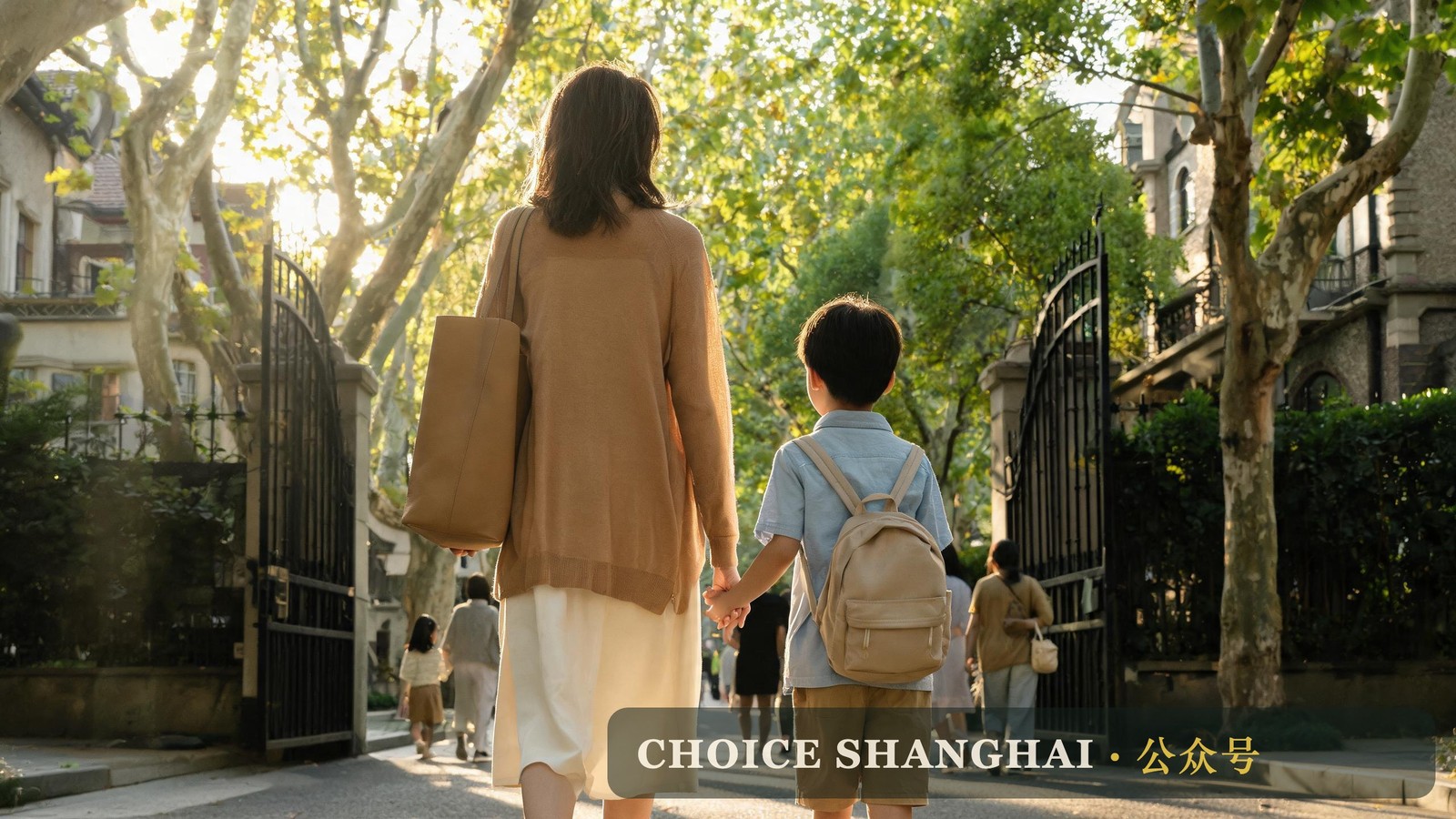
A foreign child can attend a Shanghai public school, and the nine-year compulsory stage is free.
Yes, a foreign child can attend a Shanghai public school, and the nine-year compulsory stage, grades 1 to 9, is free. The one hard requirement is that a parent holds a Shanghai Residence Permit. After that it gets particular: your registered address decides which school your child can attend, the child usually sits a Chinese-language and academic test, and every lesson runs in Chinese. It is a real option, and for the right family a good one.
Most expat parents assume the only routes are the ¥250,000-a-year (about USD 34,700) international school or nothing, and never learn the free public path exists. It does, it works, and it turns out plenty of long-staying families use it. The catch is that it rewards a young child and a settled address, and it asks the whole family to live in Chinese. Here is the honest shape of it, and how it compares with the international and private routes.
Who actually qualifies
The gate is the Shanghai Residence Permit (居住证). At least one parent must be working or living in Shanghai on a valid permit, with the documents to prove it, and the child needs a passport and health records. Hold that, and your child can apply to local preschools, primary and secondary schools and access the same basic education as local kids. A Talent Residence Permit sits a rung higher and can lower or waive some later fees.
Your address is your school
Shanghai runs on 就近入学, enrolment by proximity. You do not pick a school and apply; your registered home address is matched to a nearby school by the District Education Bureau (区教育局), and that is where your child is placed after approval and a language and academic test. This is why the lease you sign matters as much as the school you like: the tenancy or ownership certificate has to sit inside the school's catchment. Popular schools in districts with large expat populations, Pudong and Xuhui among them, prioritise local-registered children first, so the address does real work. If you are choosing where to live partly for schools, read it alongside our where-to-live guide.
What it costs, honestly
The nine compulsory years are free of tuition. Senior high and preschool are charged, at the same rate a local family pays, not a premium expat rate. So the real spend on the public route is small: uniforms, books, meals, the odd activity fee. That is the number worth sitting with before you assume you cannot afford to educate a child here. The two paid routes, private bilingual and international, are a different order of money, and the table lays all three side by side.
Which route is actually for you
If you are staying several years and your child is young, choose local public: it is free, the Chinese they pick up is real and lifelong, and small children absorb a new language in a term or two. If you want strong Chinese but a softer landing and some English, a private bilingual school is the middle path, at ¥60,000 to ¥150,000 (about USD 8,300 to 20,800). If your posting is short or your child is an older teenager who needs to slot back into a home-country system, pay for an international school and its English curriculum. There is no wrong answer, only a wrong fit, and the honest split is age plus how long you are staying. Our guides to the real international-school cost and to kindergarten for foreign families fill in the paid end.
As Sunzi wrote, 知彼知己,百战不殆, know the ground and know yourself and you will not be caught out. Match the school to your child's age and your own timeline, not to what the other parents chose.
Good to know
- Good for: expat parents weighing whether the free local school is a real option, or choosing between public, bilingual and international.
- What you'll pay: nothing in tuition for grades 1 to 9 on the public route; ¥60,000-150,000 (about USD 8,300 to 20,800) bilingual; ¥200,000-350,000 (about USD 27,800 to 48,600) international.
- Make the most of it: confirm your address's catchment school with the district bureau before you sign a lease, and apply in the spring window.
Common questions
Can foreign children go to public school in Shanghai?
Yes, as long as a parent holds a Shanghai Residence Permit. The nine-year compulsory stage, grades 1 to 9, is free. You apply through your District Education Bureau, and your registered home address decides which nearby school your child is placed in after a language and academic test.
How much does public school cost for expat families in Shanghai?
The nine compulsory years carry no tuition; senior high and preschool are charged at the same rate as local families, not an expat premium. For comparison, private bilingual schools run ¥60,000 to ¥150,000 (about USD 8,300 to 20,800) a year and international schools ¥200,000 to ¥350,000 (about USD 27,800 to 48,600).
What documents do you need to enrol a child in a Shanghai public school?
The child's passport, both parents' Residence Permits, a health record, and a tenancy or ownership certificate inside the school's catchment area. The district bureau sets the exact list, and it can change each spring, so check the current version before you apply.
Does my child need to speak Chinese for a Shanghai public school?
Effectively yes. Lessons are taught in Chinese and most schools ask the child to pass a language and academic test before confirming a place. A young child adapts within a term or two; a teenager arriving with no Chinese will find it much harder, which is where the bilingual and international routes earn their fees.
Words, maps and research by the Choice Shanghai team. Please credit us and tag our 公众号 if you share.