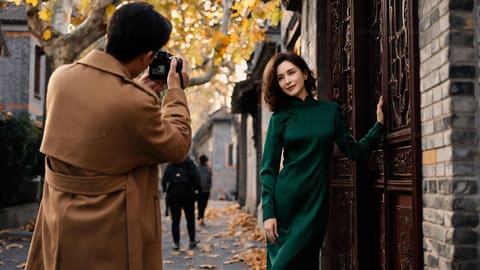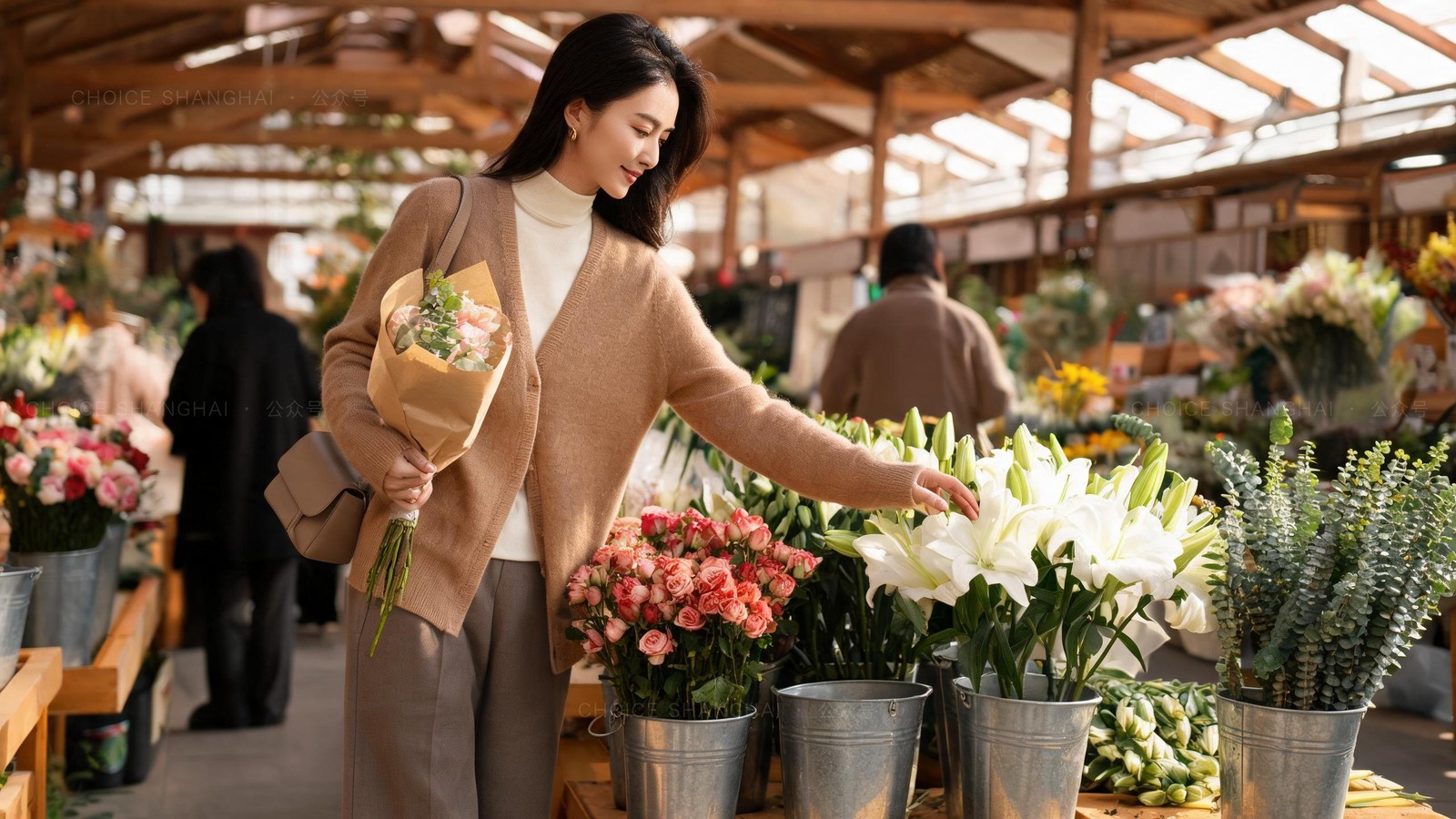
A lot of Shanghai flower markets have quietly closed, so here is where to still buy cheap fresh flowers and plants in 2026, plus the apps that deliver a bunch to your door.
Here is the honest 2026 picture. A lot of Shanghai's old flower-and-bird markets have quietly closed, so the move now is one big reliable market plus your phone. The reopened Hongqiao Flower Market in Minhang is the city's most dependable address for cut stems and potted plants, open daily 8am to 6pm, with potted plants running roughly ¥10 to ¥150 (about USD 1.50 to 22) depending on size. For a bunch of fresh flowers without leaving home, the grocery apps deliver the same day. Rate below is the late-2026 ballpark, about 6.7 RMB to the US dollar.
Good to know
- Good for 适合: anyone who wants cheap fresh flowers, a balcony full of plants, or a last-minute bouquet without a florist markup.
- What you'll pay 花费: a market bouquet from ¥20 to ¥60 (about USD 3 to 9); a decent houseplant ¥30 to ¥80 (about USD 4.50 to 12); app delivery of fresh stems from about ¥29 (about USD 4.30).
- Make the most of it 窍门: go to the market mid-morning on a weekday, learn the word for the flower you want, and always ask 能不能便宜点 (can it be cheaper) before you pay.
The market scene changed, so start with Hongqiao
Shanghai's flower markets are not what they were, and that matters before you set off across town. The much-loved Lanling flower-and-bird market closed in April 2026 after 23 years, and several smaller 花鸟市场 near the old city have been marked for demolition, so a spot a 2019 blog loved may be a building site now. The one that is thriving is the Hongqiao Flower Market in Minhang, which reopened in February 2026 after months of work, adding a 6,300-square-metre green space, a pet shop and more parking. It is the safe bet: a huge covered hall of cut flowers, potted plants, planters and dried arrangements, open every day from 8am to 6pm. Go mid-morning on a weekday to catch the wholesale energy before the weekend crowds, and bring cash as well as your phone since the smaller stalls prefer it.
What things actually cost, and how to haggle
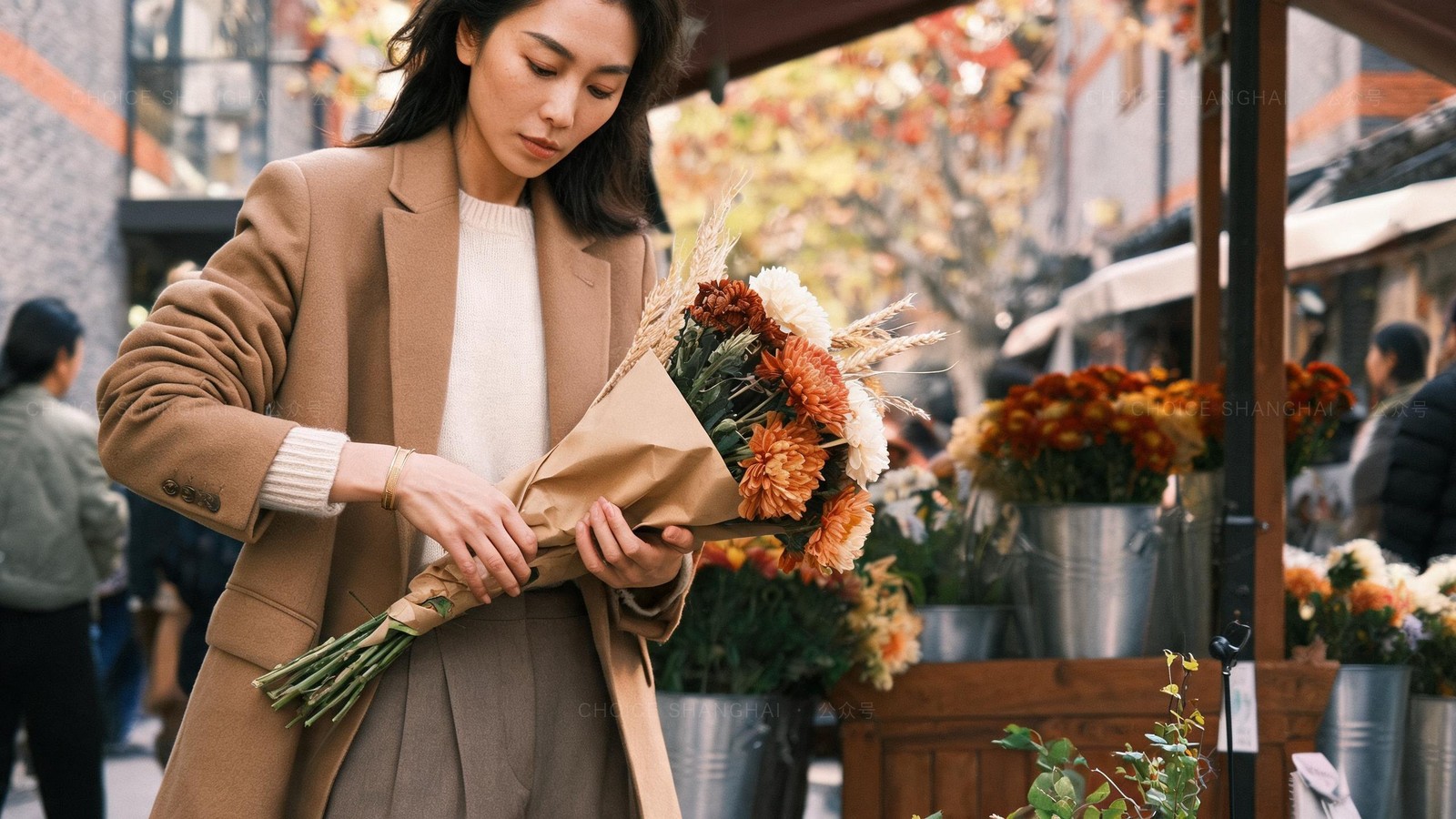
Flower-market prices in Shanghai are negotiable and far below a boutique florist, so a little nerve goes a long way. Cut stems are sold by the bunch and a mixed hand-tied bouquet runs ¥20 to ¥60 (about USD 3 to 9) for something a florist would charge triple for; potted plants scale with size, from ¥10 to ¥15 (about USD 1.50 to 2.25) for a small succulent up to ¥90 to ¥150 (about USD 13 to 22) for a large monstera or a flowering orchid. The quoted price is a starting point, not the price. Ask 能不能便宜点 (néng bù néng piányi diǎn, can it be a bit cheaper), buy two or three things from one stall for a better rate, and go late in the day for cut flowers the seller would rather move than bin.
| What | Where | Typical price |
|---|---|---|
| Mixed bouquet, hand-tied | Flower market | ¥20 to ¥60 USD 3 to 9 |
| Fresh bunch, delivered | Hema / Dingdong app | from ¥29 from USD 4.30 |
| Small succulent or herb | Flower market | ¥10 to ¥15 USD 1.50 to 2.25 |
| Large monstera or orchid | Flower market | ¥90 to ¥150 USD 13 to 22 |
| Weekly subscription | FlowerPlus (花加) | from ¥99 a month from USD 15 |
At a Shanghai flower market the quoted price is the opening bid, not the bill; ask 能不能便宜点 and buy a few stems from one stall, and you will pay a fraction of a boutique florist.
When you cannot be bothered to go: the apps
Most weeks you will skip the market and let an app bring flowers to your door, which in Shanghai is fast and cheap. The grocery apps carry a fresh-flower aisle: Hema (盒马) and Dingdong (叮咚买菜) deliver seasonal bunches the same day from around ¥29 (about USD 4.30), and Meituan and Dianping list local florists for a proper arranged bouquet in an hour or two. If you want flowers to simply appear every week without thinking, a subscription service like FlowerPlus (花加) posts a changing bunch to your door. For getting any of these apps set up in English, our guide to the apps you actually need covers the sign-up, and paying is just your linked Alipay or WeChat Pay.
Keeping plants alive in a Shanghai flat
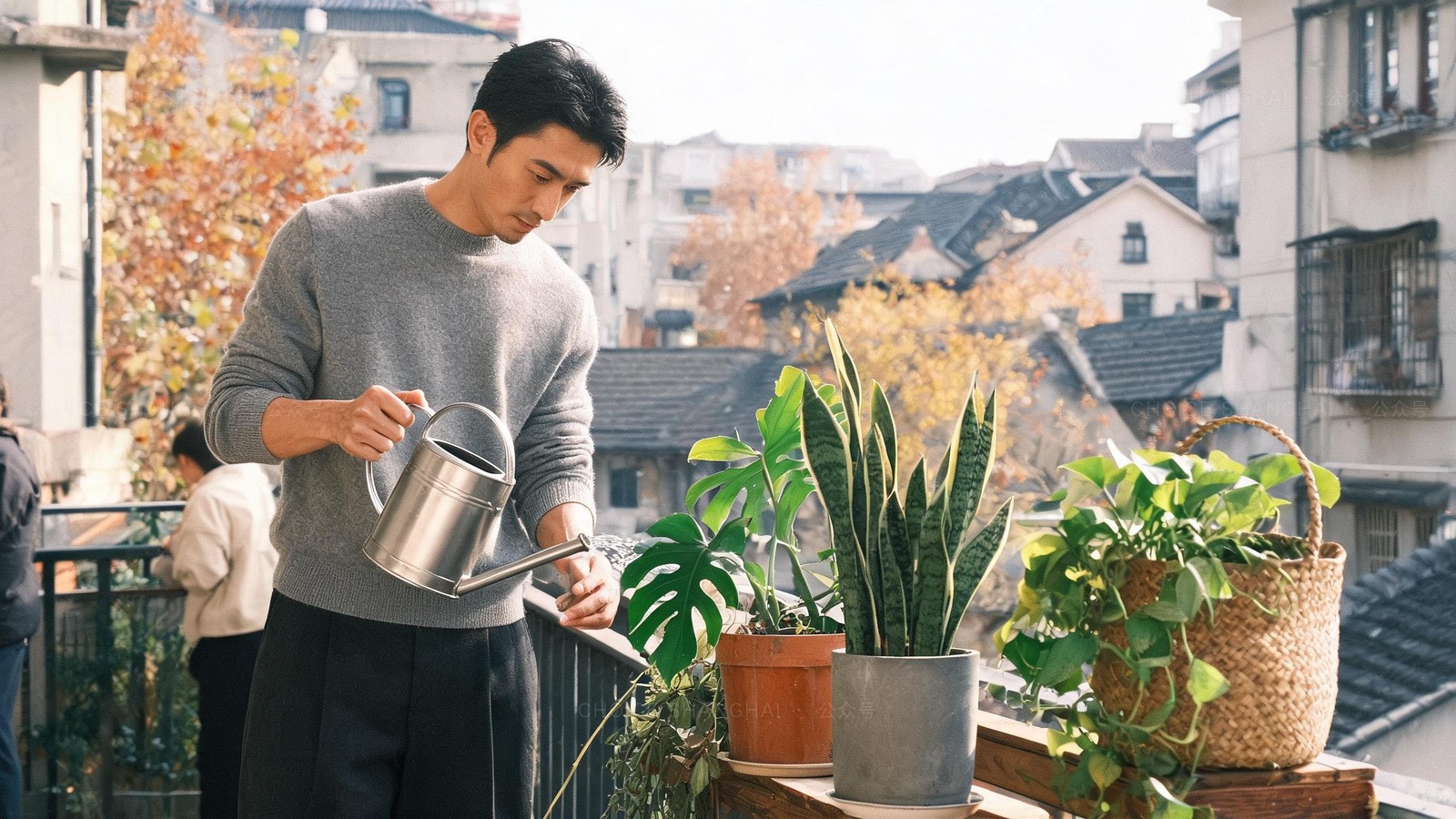
Buying the plant is the easy part; a Shanghai apartment is a tough room for it. Summers are hot and humid and winters indoors are dry, so pick forgiving plants (pothos, snake plant, monstera, lucky bamboo) over fussy ones for your first year, and ask the stall which way the plant likes to face a window. Damp is the real enemy here, both for the plant's roots and for your walls, so do not overwater and keep pots off a cold floor in winter; our guide to beating damp and mould applies to your plants as much as your flat. Around Spring Festival the markets fill with the traditional lucky plants, orchids, narcissus, pussy willow and little potted kumquat trees, and they are worth the trip just for the colour.
Which flower market in Shanghai is worth the trip in 2026?
The Hongqiao Flower Market at 718 Hongjing Lu in Minhang, which reopened in February 2026. It is the largest and most reliable, open daily 8am to 6pm, with a full range of cut flowers and potted plants. Many of the older flower-and-bird markets have closed, so check a place is still trading on Dianping before making a long trip across the city.
How much does a bunch of flowers cost in Shanghai?
At a market, a mixed hand-tied bouquet runs about ¥20 to ¥60 (about USD 3 to 9), far below a boutique florist. On a grocery app like Hema or Dingdong, a fresh bunch delivered to your door starts around ¥29 (about USD 4.30). Prices are negotiable at the market, so always ask for a better rate.
Can I get flowers delivered in Shanghai?
Yes, easily. Hema (盒马) and Dingdong (叮咚买菜) deliver fresh bunches the same day, Meituan and Dianping connect you to local florists for an arranged bouquet within hours, and subscription services like FlowerPlus (花加) send a changing bunch weekly. You pay through your linked Alipay or WeChat Pay.
Do flower stalls in Shanghai take WeChat Pay?
Almost all do, and most prefer it. Keep a little cash too, since the smallest stalls and older sellers sometimes still want notes, and a dead phone battery at the market leaves you stuck.
As the Dao De Jing puts it, 上善若水, the highest good is like water, which nourishes everything without contending; a few fresh stems on the table ask for little and quietly change a room.
Words, maps and research by the Choice Shanghai team. Please credit us and tag our 公众号 if you share.