You can book a domestic flight in China entirely in English, pay with a foreign card and board on your passport.
You can book a domestic flight in China entirely in English, pay with a foreign card, and board on your passport. The quickest route is Trip.com; most Shanghai domestic flights leave from Hongqiao, not Pudong; a typical seat runs about ¥600 to 1,600 (USD 83 to 222); and the one catch is that the self-service machines often cannot read a passport, so you use the staffed lane. Here is the whole thing, start to finish.
Which app actually works in English
To book a domestic flight in China in English, use Trip.com: its international app takes a foreign phone number and a Visa or Mastercard, and it shows every airline on the route. If you already run your life through Alipay or WeChat, both have a flight mini-program (search 机票, jipiao) that pays from your Chinese balance, and Fliggy (飞猪) sits inside Alipay too. Book directly in an airline app (China Eastern, Air China, Spring Airlines) only once you know the exact flight. Whichever you pick, enter your name exactly as printed in your passport, surname then given names. A mismatch is the single most common reason a first-timer gets stopped at check-in.
Hongqiao or Pudong: check before you leave
Shanghai has two airports and they are an hour apart, so confirm which one your ticket says before you order the taxi. Hongqiao (SHA) handles most domestic flights, sits on Metro lines 2 and 10, and is roughly 30 to 45 minutes from the center. Pudong (PVG) is mostly international with some domestic routes, and is farther out on Metro line 2 and the maglev. Some city pairs fly from only one of them, so the airport is decided by your flight, not your preference. Our airport-to-city transport guide has the fastest way in from each.
| Route from Shanghai | Fare (RMB / USD) |
|---|---|
| Shanghai to Beijing | ¥550 to 1,400 USD 76 to 194 |
| Shanghai to Shenzhen or Guangzhou | ¥650 to 1,600 USD 90 to 222 |
| Shanghai to Chengdu or Chongqing | ¥700 to 1,700 USD 97 to 236 |
| Shanghai to Xian | ¥600 to 1,400 USD 83 to 194 |
| Shanghai to Sanya (Hainan) | ¥800 to 2,500 USD 111 to 347 |
Converted at about 7.2 RMB to the US dollar, September 2026, so treat the dollars as a ballpark. Spring Airlines and other budget carriers run some routes cheaper, from around ¥200 to 600 (USD 28 to 83), but sell carry-on-only fares.
What a seat really costs
A domestic flight from Shanghai usually costs between ¥550 and ¥1,700 (USD 76 to 236) in economy, booked a week or two ahead, with beach routes like Sanya climbing higher in winter and over the holidays. Prices jump hard around Golden Week and Spring Festival, so book those early. Full-service airlines (China Eastern, Air China, China Southern) fold one checked bag of about 20kg into the fare; budget carrier Spring Airlines sells a carry-on-only ticket and charges for the hold, which only saves money if you travel light.
At the airport: the passport catch nobody warns you about
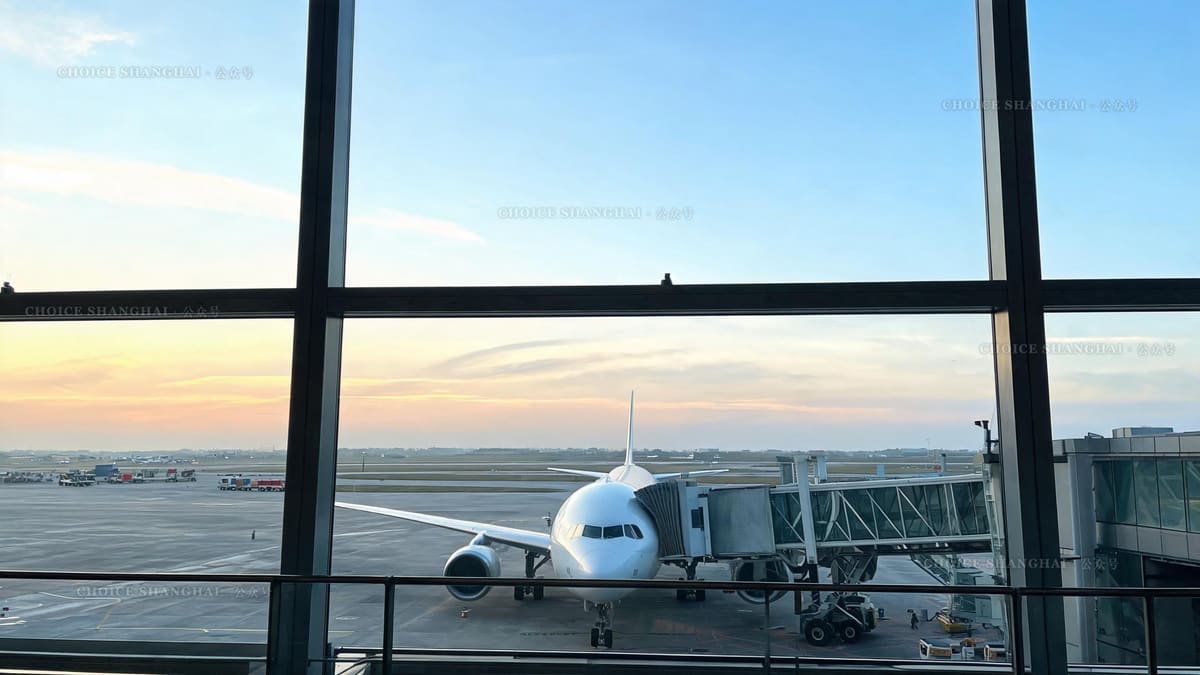
Give yourself two hours before a domestic flight in Shanghai, because check-in closes 45 to 60 minutes before departure and the passport step is slower for you than for locals. The self-service kiosks and the automatic security and boarding gates are built to read the chip in a Chinese ID card, and many still cannot read a passport, so head to a staffed check-in counter and the manual security and boarding lane. Carry the same passport you booked with. Full-service airlines let you check in and pick a seat on the app 24 to 48 hours ahead, which is worth doing, but you may still need the counter to print or verify at the airport.
What you can and cannot pack
Domestic China flights follow the usual 100ml liquids rule, plus two China-specific ones that catch travellers out. Lighters and matches are banned outright in both carry-on and checked bags, so leave them at home. Power banks are allowed only in your carry-on and only if they carry a visible 3C certification mark, a rule the Civil Aviation Administration of China brought in during 2025, and damaged or recalled models are refused at the scanner. If you are flying rather than taking the high-speed train, pack the power bank you can prove is certified and lose the lighter.
Good to know
- Good for: getting across China fast when the train would eat a whole day, and reaching places the rails do not, like Sanya or Lijiang.
- What you will pay: about ¥550 to 1,700 (USD 76 to 236) one way in economy, more on holiday weekends and to beach cities.
- Make the most of it: book on Trip.com in English, fly from Hongqiao where you can, arrive two hours early, and use the staffed lane.
Common questions
How early should I arrive at a Shanghai airport for a domestic flight?
Arrive two hours before a domestic flight from Shanghai. Check-in typically closes 45 to 60 minutes before departure, and because the automated gates often cannot read a passport, allow extra time to queue at the staffed counter and the manual security lane rather than the self-service machines everyone around you is using.
Can I bring a power bank on a domestic flight in China?
Yes, but only in your carry-on and only if the power bank shows a visible 3C certification mark. Since a 2025 Civil Aviation Administration of China rule, uncertified, unmarked, damaged or recalled power banks are refused at security. Check the print on yours before you leave, because there is no way to add it at the airport.
Is it cheaper to fly or take the train from Shanghai?
For nearby cities the high-speed train often wins once you count airport time: Shanghai to Beijing is about four and a half hours by rail for roughly ¥660 (USD 92), door to door a wash with flying. For far cities like Chengdu, Kunming or Sanya, flying saves most of a day. Our train booking guide covers the rail side.
What happens if I miss a domestic flight in China?
Go straight to your airline's counter at the airport, not the app. On a cheap non-refundable fare you usually forfeit the seat and rebook at the current price; on a flexible fare you can often move to the next flight for a change fee. Some airlines offer same-day standby on the same route for a smaller fee, so ask before you buy a whole new ticket.
As Laozi wrote in the Dao De Jing, 千里之行,始于足下, a journey of a thousand li begins beneath your feet. In China the first step is usually opening the right app.
Words, maps and research by the Choice Shanghai team. Please credit us and tag our 公众号 if you share.