A Chinese bathhouse is one of the warmest, cheapest all-day refuges a Shanghai winter offers.
A Chinese bathhouse (洗浴中心) is one of the warmest, cheapest all-day refuges a Shanghai winter offers. You pay a single entry fee, usually ¥60 to ¥200 (about USD 9 to 30), and get a locker, towels and a set of pajamas. Inside are gender-separated bathing pools where everyone is nude, then a mixed, fully-clothed lounge with sauna rooms, reclining chairs, a food court and often beds. Many stay open 24 hours. Here is exactly how a visit runs and what to expect the first time.
Good to know
- Good for a cheap warm day out in winter, a long soak, or an inexpensive place to crash overnight.
- What you'll pay ¥60 to ¥200 (about USD 9 to 30) to get in; scrubs and massages cost extra and settle on the way out.
- What to bring nothing. Towels, a razor, shampoo, slippers and pajamas are all provided.
What a Chinese bathhouse actually is
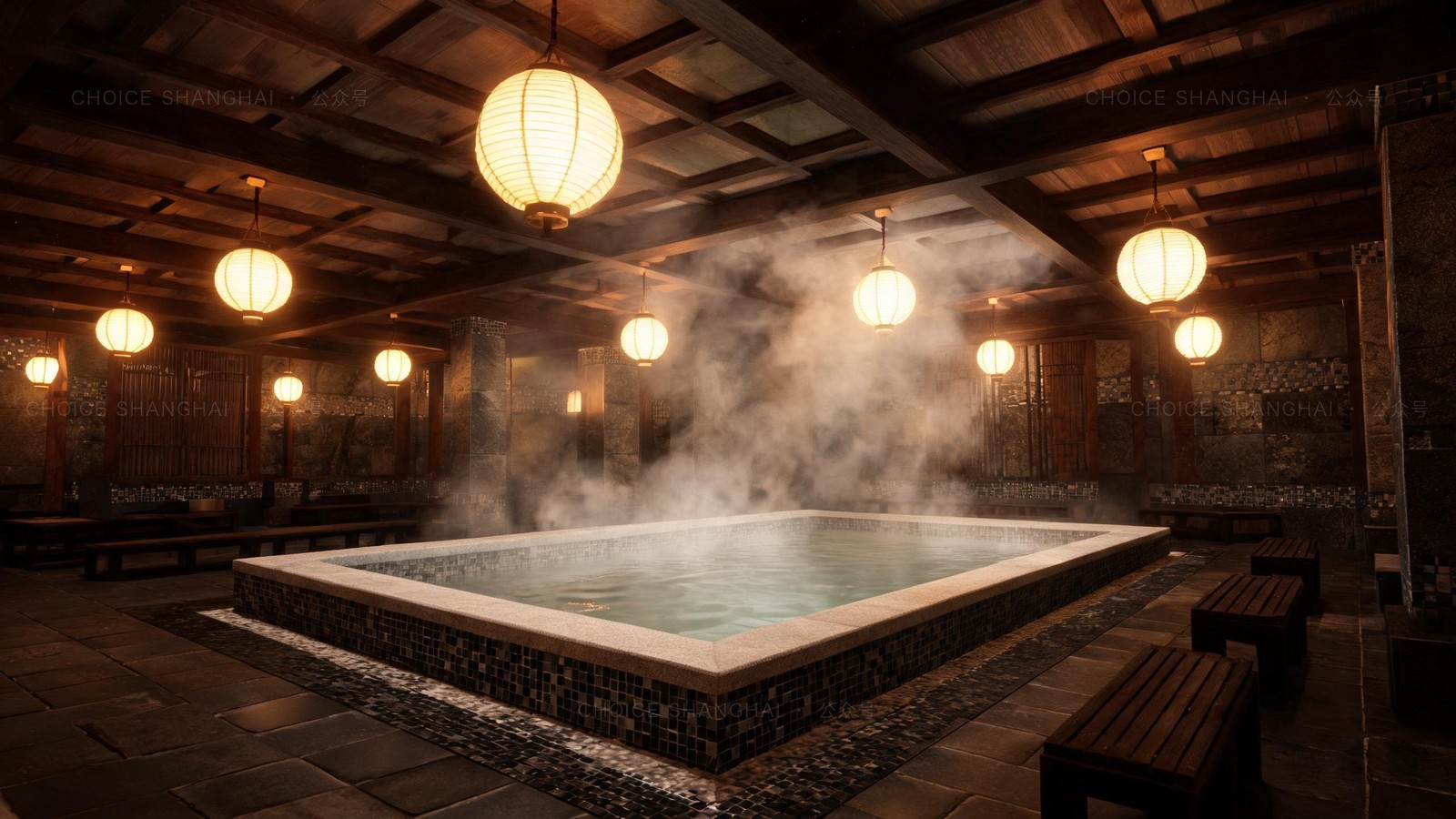
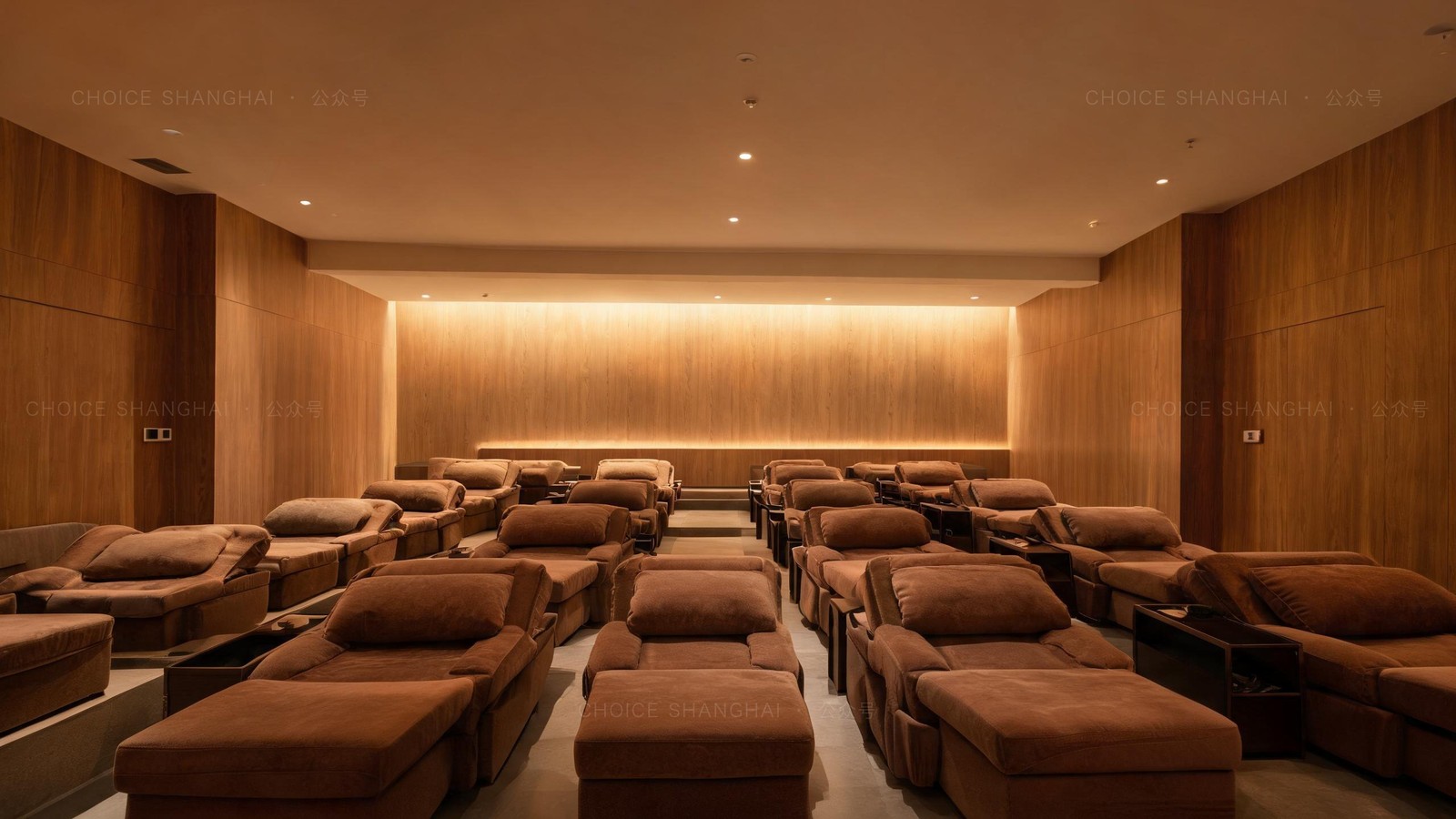
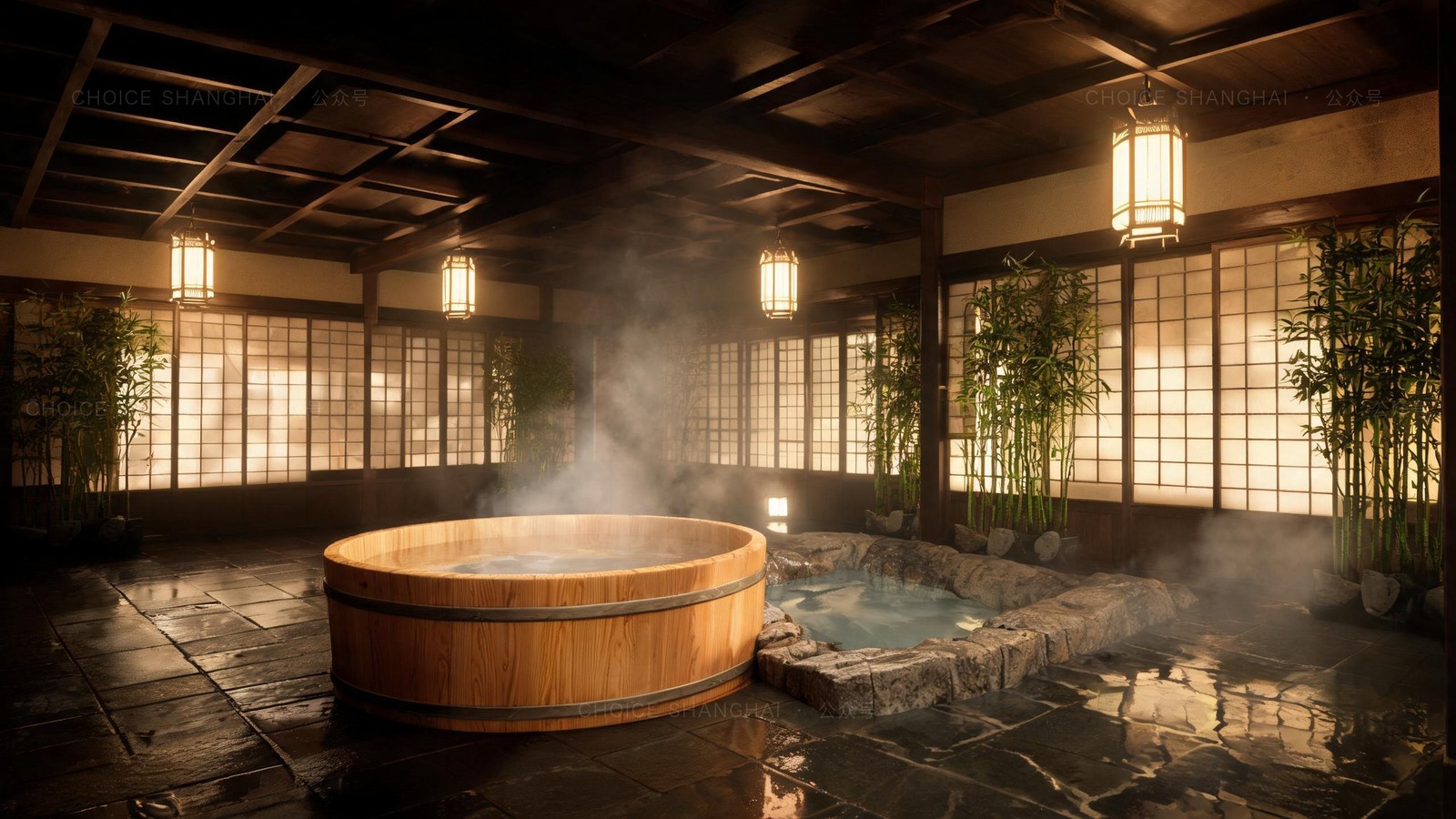
A Chinese bathhouse is a multi-floor complex built around getting warm and staying a while, not a quick shower. The layout is almost always the same: you arrive, swap your shoes for slippers, and get a wristband that is your key, your locker number and your tab for the day. Downstairs are the wet areas, separated by gender, where you bathe and soak nude in hot and cold pools. Upstairs is the dry world: a large mixed lounge where everyone wears the same house pajamas, lined with sauna rooms, recliners in front of big screens, a canteen, nap rooms and sometimes a cinema or children's area. It is a bathhouse, a sauna, a lounge and a cheap hotel folded into one building, which is exactly why locals treat it as a whole evening out.
What it costs and what is included
The entry fee is the only thing you pay up front, and it covers the essentials. Expect ¥60 to ¥200 (about USD 9 to 30) depending on how smart the place is, which buys your locker, towels, basic toiletries and a set of pajamas, plus unlimited time in the pools and sauna rooms. Everything else is an add-on charged to your wristband and paid when you leave: a vigorous body scrub (搓澡) runs about ¥50 to ¥120 (USD 7 to 18), a massage ¥150 to ¥400 (USD 22 to 60), and food and drinks from the in-house canteen are priced on top. Tipping is not expected anywhere. Because you settle on exit, it is easy to lose track, so glance at the price board before you say yes to a scrub or a plate of noodles.
How a visit runs, step by step
A first visit is simple once you know the sequence. Shoes off at the door into a shoe locker, collect your wristband, and find your locker in the gender-separated changing room. Strip down, and here is the rule that matters most: shower thoroughly before you get into any pool, every time. Then soak in the nude bathing area as long as you like, moving between hot pools, cold plunges and steam rooms. When you are done, dry off, put on the provided pajamas, and head up to the mixed lounge, where you can sweat in the sauna rooms, eat, watch a film, book a scrub or massage, or simply sleep in a recliner. Pay the wristband tab on your way out. The whole thing can be an hour or a full twelve.
The etiquette, and the nudity, nobody warns you about
The one thing that surprises most newcomers is the nudity, and it is completely normal here. In the bathing area you are nude, it is single-gender, and nobody pays you any attention, so the only awkwardness is the one you bring with you. A few unwritten rules keep it comfortable: always rinse off in the showers before entering a shared pool, never take a phone or camera into the wet area, keep your voice down, and wrap a towel when you walk between pools. If you book a 搓澡 scrub, know that it is thorough to the point of startling, delivered by an attendant who will work every inch of you with a rough mitt; you come out pink and genuinely cleaner than you have been in years. Treat the whole place as calm and shared, and you will fit right in.
The kinds you will find, and how to pick one
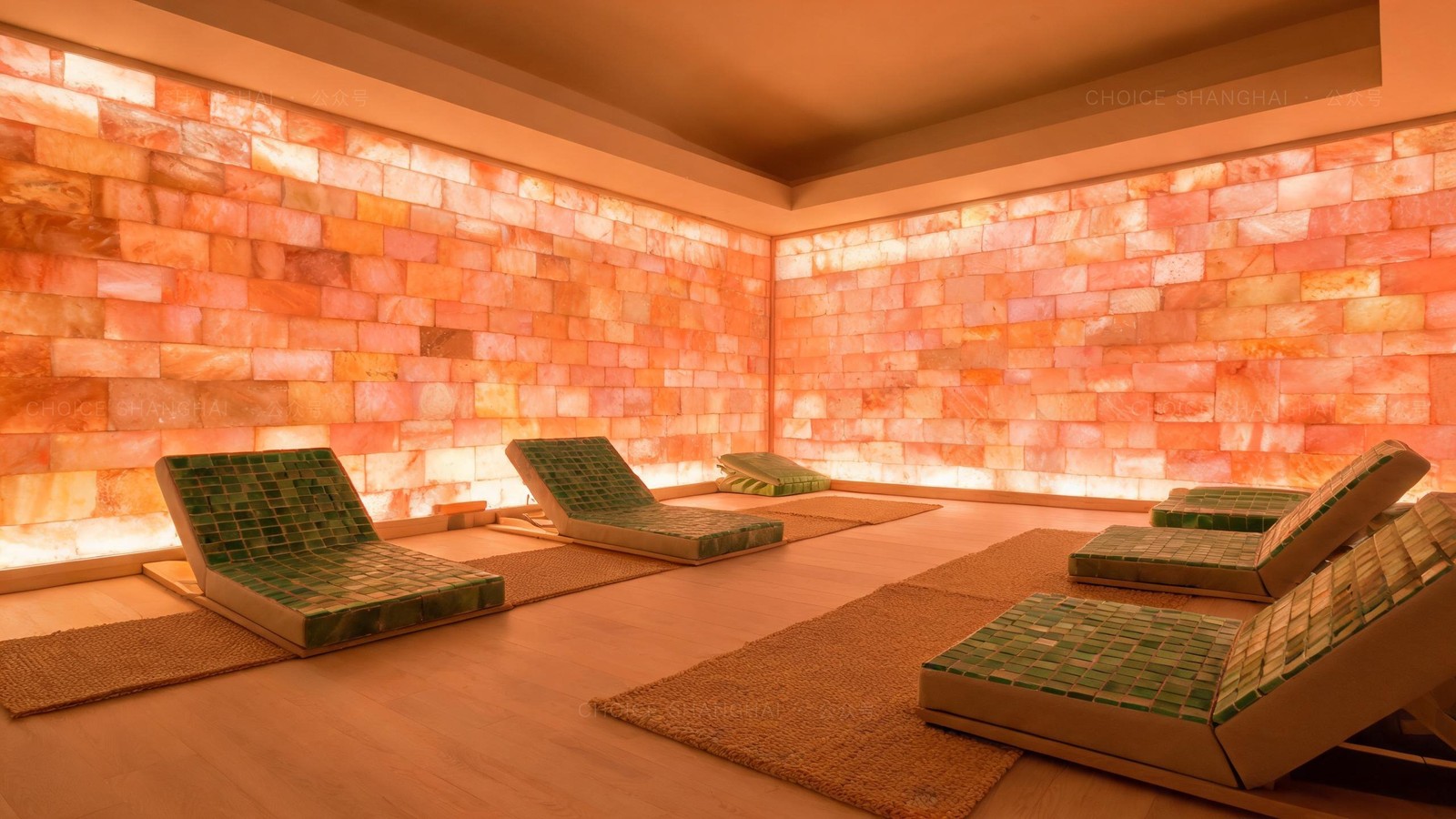
Shanghai has three broad styles worth knowing. Traditional Chinese 洗浴中心 are the all-rounders described above, the most affordable and the most common. Japanese-style houses lean on hot-spring-style mineral baths (温泉) and a quieter, more polished feel. Korean-style spas centre on the 汗蒸幕 jjimjilbang: dry sauna rooms heated with salt, jade or charcoal that you sit in wearing cotton shorts and a tee, sweating it out between naps. To find one near you, open Dianping and search 洗浴, 汗蒸 or 温泉, sort by rating and 人均 average spend, and read recent photos to check the place is clean and still busy. Winter is peak season, so weekends fill up by evening. For the outdoor, countryside version of the same idea, our guide to hot springs near Shanghai is the next trip to plan, and for more warm indoor escapes there is our list of what to do when it rains.
The old inscription on King Tang's bathing basin, recorded in the Great Learning, reads 苟日新,日日新,又日新, if you renew yourself one day, renew yourself daily, and again each day after. Three thousand years later, the bathhouse is still where Shanghai goes to come out new.
Do you have to be naked in a Chinese bathhouse?
In the bathing and pool area, yes, and it is single-gender, so men and women never share that space. It is entirely normal and nobody takes any notice. The upstairs lounge, sauna rooms, canteen and rest areas are all mixed and fully clothed in the house pajamas, so most of your visit is spent dressed.
How much does a Chinese bathhouse cost in Shanghai?
Entry is ¥60 to ¥200 (about USD 9 to 30) depending on the tier, and that covers your locker, towels, toiletries, pajamas and unlimited pool and sauna time. Add-ons are extra and paid on exit: a body scrub is ¥50 to ¥120 (USD 7 to 18) and a massage ¥150 to ¥400 (USD 22 to 60).
Can expats go to a Chinese bathhouse?
Yes, anyone can walk in and pay the entry fee. Staff rarely speak much English, so a translation app helps for the add-ons, but the system is visual and easy to follow once you have your wristband. Bring your passport if the place doubles as overnight lodging, since some register overnight guests.
What is a 汗蒸, or Korean spa?
汗蒸 means sweat-steaming: a set of dry sauna rooms heated with materials like salt, jade or charcoal, each at a different temperature, that you sit in wearing loose cotton clothes rather than nude. The Korean jjimjilbang style builds a whole social lounge around these rooms, with food, sleeping areas and warm floors, making it a gentler first visit if full nudity feels like a lot.
Words, maps and research by the Choice Shanghai team. Please credit us and tag our 公众号 if you share.