
Your consulate in Shanghai is a documents-and-emergencies office, not a fixer: it renews passports, notarises papers and stands by you in a crisis, but works inside Chinese law.
Your consulate in Shanghai is a documents and emergencies office, not a fixer. It renews or replaces a lost passport, notarises papers for use back home, issues an emergency travel document, and helps if you are arrested or hospitalised. It does not get you out of jail, pay a bill, act as your lawyer, or fast-track a Chinese visa. And here is the catch newcomers miss: not every country has a consulate in Shanghai at all. Many are represented only by their embassy in Beijing, so your first job is to find out where your own post actually is.
Good to know
- Good for anyone who needs a passport renewed, a document notarised, or knows they should understand their consulate before an emergency, not during one.
- Book ahead almost everything needs an online appointment, and popular slots fill weeks out.
- Watch out for assuming you have a Shanghai consulate; plenty of nationalities are served only from Beijing.
What a consulate can and cannot do for you
The single most useful thing to understand is the line between what a consulate does and what people wish it did. Consulates exist to help their citizens with documents and genuine emergencies, within the limits of local law. They cannot override Chinese authorities, and they cannot make your local problem disappear. The split looks like this.
The pattern is simple: your consulate helps you as a citizen with your own government's paperwork and stands by you in a real crisis, but it operates inside Chinese law, not above it.
Does your country even have a Shanghai consulate?
Not all do, and this trips up more people than anything else. Shanghai hosts a large number of career consulates, so citizens of the United States, the United Kingdom, Australia, Canada, many EU countries and others can usually be served here. But smaller countries, and some large ones, are represented in mainland China only by their embassy in Beijing, which means a passport renewal can involve a trip north or a mail-in process. Before you need anything, look up your own foreign ministry's page for its China posts and note whether Shanghai handles your case or Beijing does. Our guide to what to do if you lose your passport covers the emergency version of this.

The services you will actually use
For most residents, the real reasons to contact a consulate are ordinary and administrative, not dramatic. Passport renewal or replacement is the big one, though many countries now run this online or by courier rather than in person, so check your own system first. Notarial services, where a consular officer certifies a signature or document for use back home, are a common need for property, pensions and legal paperwork. Registering a birth abroad so a new baby gets citizenship and a first passport is another. And consulates issue an emergency travel document when your passport is lost or stolen and you need to fly.
How to actually book an appointment
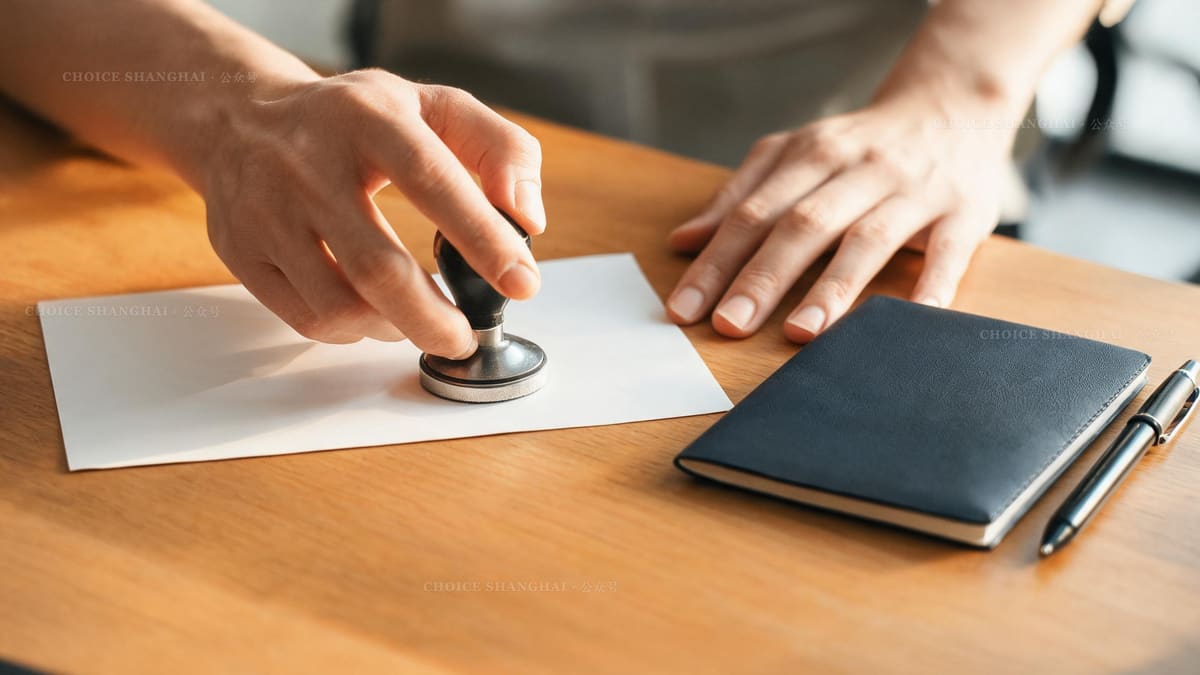
Nearly every service runs on a pre-booked online appointment, so walking in and hoping rarely works. Go to your own consulate's official citizen-services page, not a third-party site, find the service you need, and book the slot; some countries route this through a central booking system rather than the Shanghai post directly. Bring the exact documents the page lists, because a missing form means a wasted trip and a fresh appointment weeks later. Fees are set by your own government and are usually paid at the counter. If it is a genuine emergency, an arrest, a hospitalisation, a death, there is a separate urgent line, and you do not wait for a routine slot.
What to do in a real emergency
If you are detained, seriously ill, or a family member dies here, the consulate's job is support, not rescue. In an arrest, they can visit you, give you a list of local English-speaking lawyers, contact your family and check on your welfare, but they cannot get you released or pay for your defence. In a medical crisis, they can help contact family and liaise with insurers, but you still use the local system, so our guide to medical emergencies in Shanghai is the one to save. In a bereavement, they help with the paperwork to repatriate a body or hold a local funeral. Knowing this in advance is the difference between calm and panic on the worst day.
As the Doctrine of the Mean puts it, 凡事豫则立,不豫则废, with preparation you stand and without it you fall. Learn what your consulate can and cannot do before the day you need it, not during it.
Common questions
Which countries have a consulate in Shanghai?
Shanghai hosts many career consulates, including the United States, United Kingdom, Australia, Canada and much of the EU, so citizens of those countries can usually be served here. Smaller countries and some larger ones are represented in mainland China only by their embassy in Beijing, so always confirm your own country's China posts before you need a service.
Can my consulate in Shanghai renew my passport?
Often, but not always in person. Many countries now process passport renewals online or by courier through a central passport office rather than at the Shanghai consulate, while others still take appointments locally. Check your own government's citizen-services page for the current method, required documents and fees before you book anything.
What can a consulate not do for you?
It cannot override Chinese law, get you out of jail, pay your medical or legal bills, act as your lawyer, or speed up a Chinese visa or residence permit. It works within the local system, helping you as a citizen with your own government's documents and standing by you in a genuine emergency, not intervening in Chinese legal or administrative decisions.
Do I need an appointment to visit my consulate in Shanghai?
Almost always, yes. Routine services such as passport renewal, notarials and birth registration run on pre-booked online appointments, and slots for popular consulates fill weeks ahead. Genuine emergencies use a separate urgent line and are not made to wait for a routine slot, so book early for anything you can plan.
Words, maps and research by the Choice Shanghai team. Please credit us and tag our 公众号 if you share.