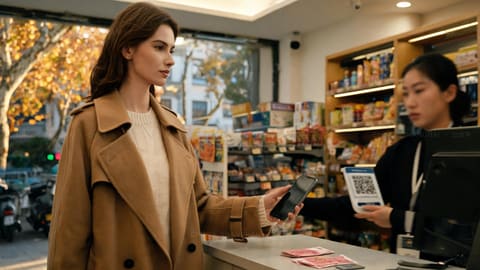
A prepaid card is the discounted upfront membership a Shanghai gym or salon pushes on you, and the trap is losing it when they close.
A 预付卡 (prepaid card) is the upfront membership a Shanghai gym, salon, nail studio, kids' class or cafe pushes on you with a steep discount: pay ¥5,000 (about USD 746) now, get ¥7,000 of value, sign here. The trap is simple. Your money sits on their books, and if the business closes, which happens often, that balance is hard to get back. As of 2026, Shanghai's rules do protect you: an anonymous card is capped at ¥1,000 (about USD 149), a named card at ¥5,000 (about USD 746), there is a 7-day no-questions refund on an unused card, and registered operators must hold your prepaid money in bank custody. Here is how the trap works, exactly what you are owed, and how to get your money back when a shop pulls down the shutter.
This pairs with our guides to gym day passes over annual cards and the silent auto-renewals draining your wallet.
Why the prepaid card is everywhere
Prepaid selling runs deep in Shanghai consumer life because it solves a cash-flow problem for the business, not for you. A studio that takes ¥5,000 (about USD 746) today has your year of custom banked before it has taught a single class, which is why the discount for "going annual" is so aggressive and the pressure to sign on your first visit so strong. For a place you know and trust, a modest card can genuinely save money. The danger is the size of the bet: the bigger the balance you park with one business, the more you lose if it closes, and small studios close all the time. Treat every prepaid pitch as a loan you are making to a stranger, because that is what it is.
What the rules actually give you
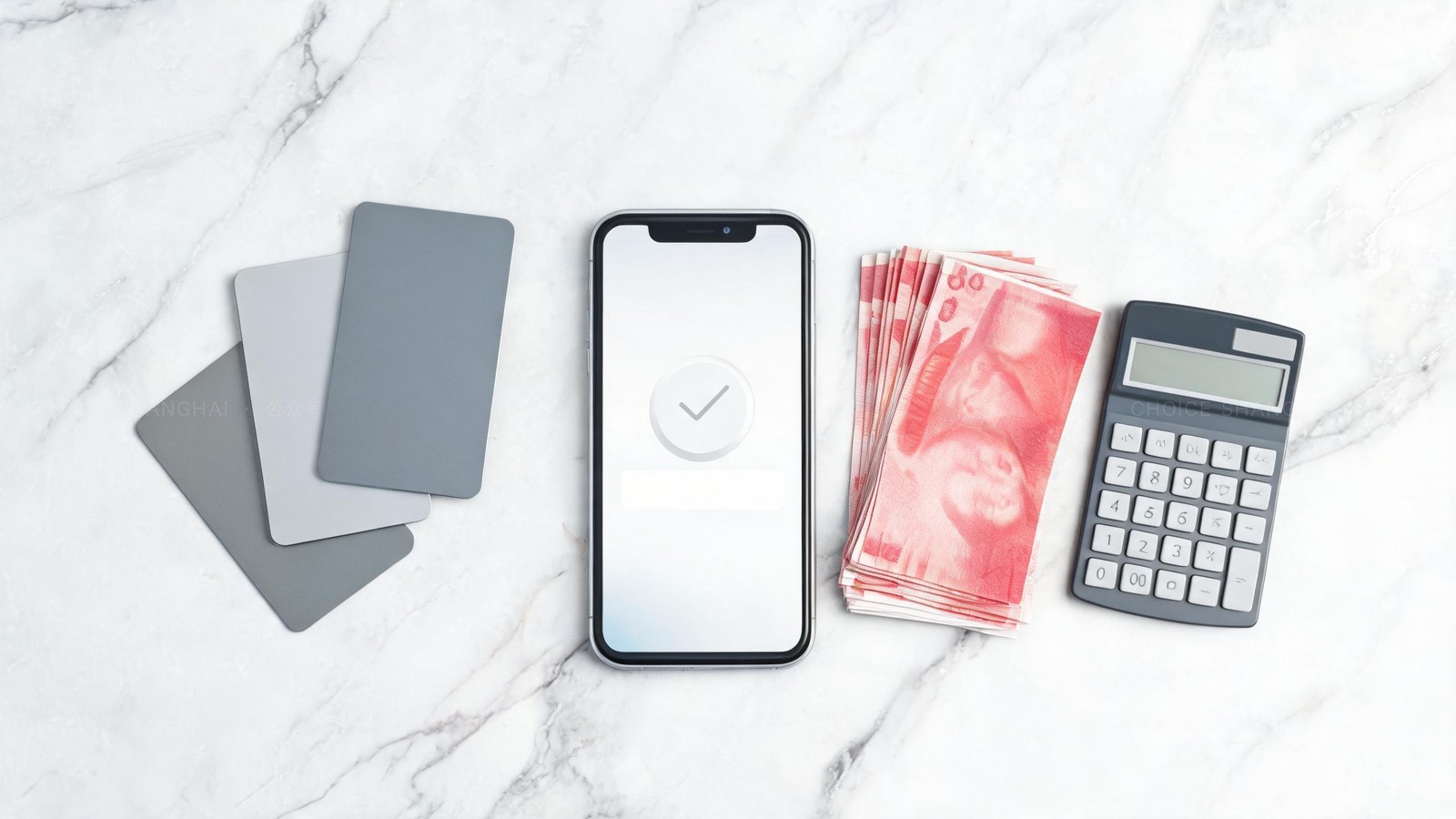
Shanghai regulates single-purpose prepaid cards (单用途预付消费卡) more tightly than most places. The headline protections, under the city regulation revised in November 2025 and the 2026 commerce-sector measures, are real and worth knowing before you sign.
Three things matter most. First, the 7-day cooling-off: if you have not used the card, you can ask for the principal back within seven days of paying, and a "no refunds ever" clause in the contract is not enforceable. Second, the caps: an unnamed card over ¥1,000 or a named card over ¥5,000 (about USD 149 and USD 746) is already outside the rules, which is a warning sign in itself. Third, fund custody: operators that cross the registration threshold must park prepaid money in bank custody or escrow rather than spend it, which is the single biggest protection against a business vanishing with your balance.
When a shop closes with your money
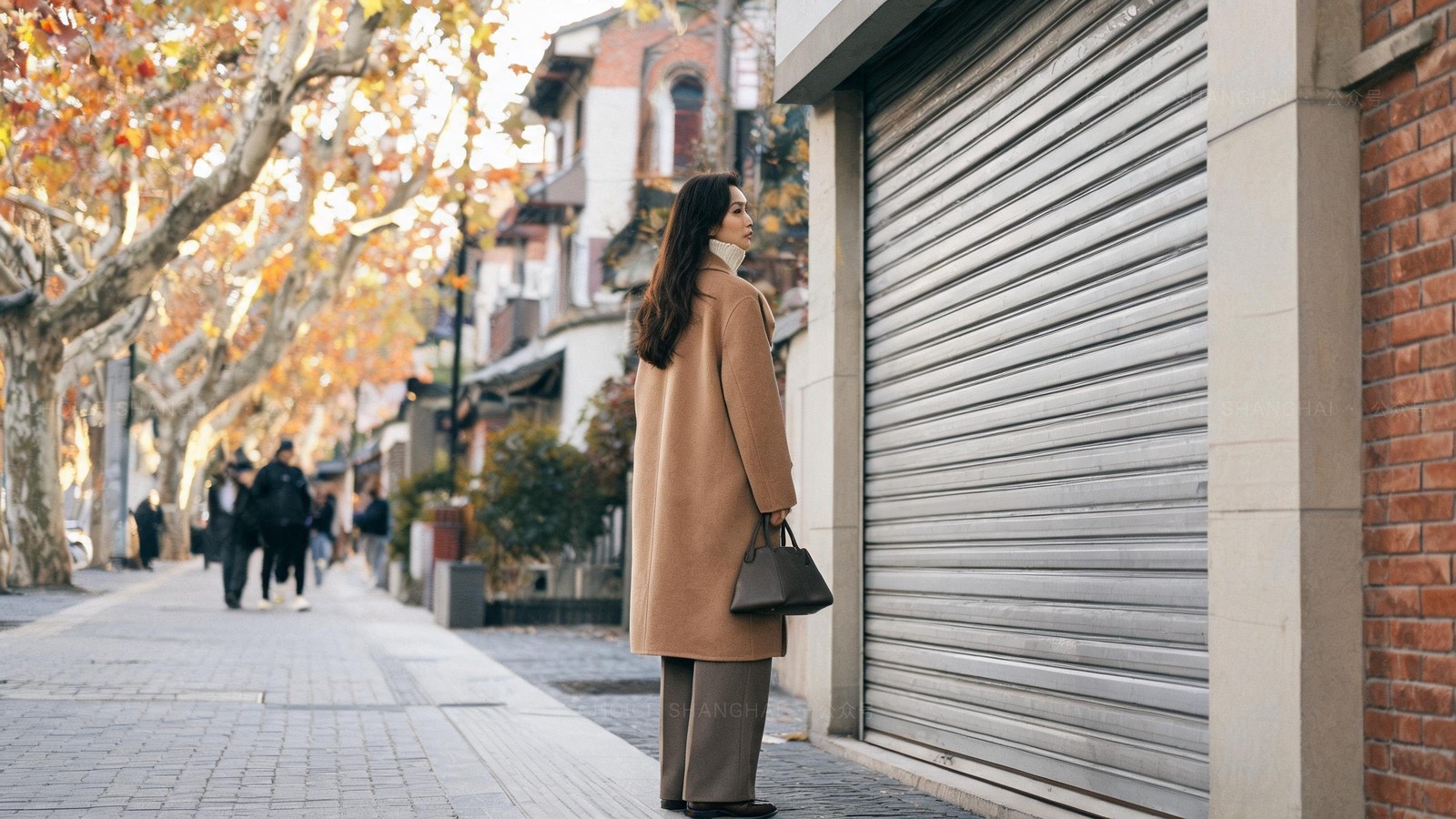
跑路, the business doing a runner, is the nightmare: you arrive for your class and the shutter is down, the group chat has gone quiet, the staff's phones are off. If the operator was registered and held your funds in custody, you have a real path to recovery. If it was a small unregistered studio that spent the money, recovery is harder and slower, and you may get cents on the yuan. This is exactly why the cap and the custody rule exist, and why a ¥20,000 card (about USD 2,985) at a tiny new studio is a worse idea than it looks, however good the discount.
How to get your money back
Act fast and in order. Keep every record first: the contract, the payment screenshot, the chat where they promised things, any signage. Then call 12315 (the market-regulation hotline) or 12345 (the city hotline) to file a complaint, and raise it with the Shanghai Consumer Council (上海市消保委). For a prepaid card specifically, check whether the operator was registered on the city's prepaid-card monitoring register, because that decides whether custody funds exist to claw back. If the amount is small, the court's small-claims track is cheaper than it sounds; our guide to complaining in Shanghai and getting results walks through the hotlines, and getting a refund when a shop says no covers the stubborn cases.
How to buy prepaid without getting burned
If you want the discount, cap your risk. Buy the smallest card the deal allows rather than the biggest "value" tier; a ¥1,000 card you will use beats a ¥10,000 (about USD 1,490) card you might. Favour places that have been open for years over brand-new studios, pay by a method with a paper trail, and never sign under first-visit pressure, the deal will still be there next week. For anything you use occasionally, pay-as-you-go or a day pass almost always wins once you do the maths on how often you really turn up. The discount is only a saving if the business is still there to honour it.
Good to know
- Good for: anyone being pushed to buy an annual gym, salon, nails or kids'-class membership in Shanghai.
- What you're owed: a 7-day refund on an unused card, caps of ¥1,000 (unnamed) and ¥5,000 (named, about USD 149 and 746), and bank custody of funds at registered operators.
- Make the most of it: buy small, favour long-established places, keep every receipt and chat, and if a shop closes call 12315 or 12345 straight away.
Can I get a refund on a prepaid card in Shanghai?
Yes, within seven days of paying if you have not used the card: under the 2026 rules the operator must return the principal on request, and a "no refunds" clause does not hold. After you have used it, a refund depends on the contract and on whether the operator broke its terms, so keep the agreement and raise it with 12315.
How much can a Shanghai prepaid card legally hold?
An anonymous (unnamed) single-purpose card is capped at ¥1,000 (about USD 149) and a named card at ¥5,000 (about USD 746). Larger balances are only allowed through registered operators that must hold your money in bank custody. A tiny studio offering a ¥20,000 card (about USD 2,985) outside those rules is a red flag.
What happens to my money if the gym or salon closes?
If the operator was registered and held your funds in custody, there is a real chance of recovery through the city's prepaid-card register and the hotlines. If it was a small unregistered business that spent the money, recovery is slow and partial. The custody rule is why buying from established, registered places matters.
Who do I complain to about a prepaid-card problem?
Call 12315 for market regulation or 12345 for the city hotline, and raise it with the Shanghai Consumer Council (上海市消保委). Gather your contract, payment proof and any chat messages first, since a documented complaint moves far faster than a vague one.
Sources · 资料来源
- Shanghai Municipal Commerce Commission (上海市商务委员会) · Shanghai single-purpose prepaid-card management measures, commerce sector (沪商规〔2026〕1号), 22 June 2026. sww.sh.gov.cn
- Shanghai Municipal Government (上海市人民政府) · Shanghai single-purpose prepaid consumer card regulation, revised 26 November 2025 (fund custody, no-refund clauses void). shanghai.gov.cn
- Complaints and recovery: 12315 (market regulation), 12345 (city hotline), Shanghai Consumer Council 上海市消保委.
Laozi saw this coming in the Dao De Jing: 夫轻诺必寡信. Easy promises keep little faith. The louder a studio promises and the bigger the discount, the harder you should look before you pay.
Words, maps and research by the Choice Shanghai team. Please credit us and tag our 公众号 if you share.